
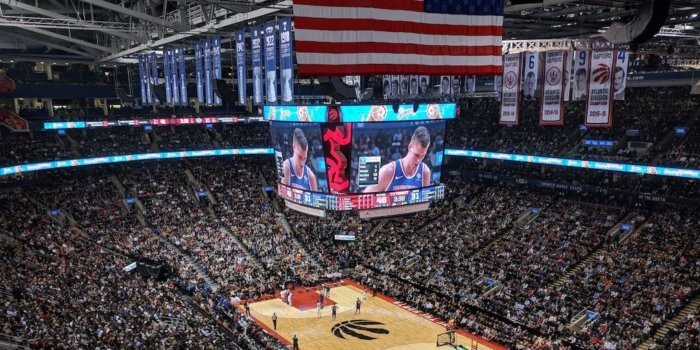
An NBA game is 48 minutes long, divided into four 12-minute quarters.
Ever wondered about the clock ticking down during those intense basketball showdowns? Many fans often ask, how long is an NBA game? Well, it’s a fair question considering the excitement and tension that can build.
These games are more than just a few minutes, and the total time can stretch out with timeouts, halftime, and other stoppages. That makes the actual viewing time significantly longer than just the official playing time.

How Long is an NBA Game? A Detailed Look
Ever wondered exactly how much time it takes to watch a full NBA game? It’s not as simple as just saying “48 minutes”! While the game clock does run for that amount of time during actual play, there’s a lot more that goes into the total time you’ll spend watching a game. Let’s dive deep into everything that affects how long an NBA game really lasts.
The 48 Minutes of Action: The Core of an NBA Game
The foundation of an NBA game is four quarters, each lasting 12 minutes. These four 12-minute periods make up the regulation 48 minutes of play. Think of it like chapters in a book, each one filled with intense action and drama. The game clock is ticking during these 48 minutes, but there are plenty of pauses within those sections that extend the game’s duration. So, how is this time divided and used?
Quarter Structure: Breaking Down the Game
The game unfolds in these four 12-minute segments. At the end of each quarter, the game pauses, giving the players a short break to strategize and rehydrate. It also provides an opportunity for the fans to stretch their legs. This isn’t just about the players; it’s a chance for everyone to take a breather and get ready for the next action-packed phase.
- First Quarter: The game begins, and the teams are usually trying to find their rhythm and establish their presence on the court.
- Second Quarter: Teams have adjusted their strategies from the first quarter and are often more aggressive.
- Third Quarter: Often considered the “moving” quarter, where teams make big runs or plays.
- Fourth Quarter: This is where everything is on the line! The intensity is at its peak, and the final moments can be nail-biting.
Beyond the Clock: What Makes an NBA Game Longer
Okay, so we know the game has 48 minutes of playing time, but if you’ve ever watched an NBA game, you know it lasts much longer than that. What causes all of those extra minutes? Let’s look at some of the reasons.
Timeouts: Strategic Pauses
Timeouts are called by teams for strategic reasons. Coaches use them to give instructions, make substitutions, or stop the other team’s momentum. These timeouts vary in length and contribute to the overall game time. Teams get a specific number of timeouts per half and an additional number in the fourth quarter, as well as additional timeouts in the overtime. Here’s a typical breakdown:
- Full Timeouts: Longer timeouts are used for major strategy adjustments.
- 20-Second Timeouts: Shorter timeouts for quick breaks.
Halftime: A Longer Respite
After the second quarter, there’s a longer break called halftime. This usually lasts around 15 minutes. During halftime, the players rest, coaches adjust strategies, and the crowd gets some entertainment, which helps them to stay engaged. The duration of halftime might vary slightly depending on specific game circumstances and arena scheduling, but typically it’s around 15 minutes.
TV Timeouts: Commercial Breaks
TV timeouts are the breaks during games when broadcasters show commercials. These timeouts are usually pre-determined and last longer than regular timeouts. They can significantly increase the game length. The frequency and length of these timeouts are determined by the broadcasting network, so they may slightly vary from game to game.
Fouls and Free Throws: Stopping the Clock
Fouls occur frequently during an NBA game, and when they do, the clock stops. If the foul results in free throws, those take time as well, adding more time to the game. Depending on the number of fouls and free throws, this aspect of the game can have a big impact on the overall duration of a game. The stop and start action caused by fouls is a common reason why games don’t follow the strict 48-minute timeline.
Injuries and Reviews: Unforeseen Delays
Injuries can happen during games, and when they do, the game clock stops while players are treated. Similarly, reviews of plays by the referees also stop the clock while they’re making their decision. These unexpected breaks can vary in length and increase game time. These delays are essential for fair play and player safety, but they contribute to variations in total game duration.
Overtime: The Extra Innings of Basketball
If the score is tied at the end of the fourth quarter, the game goes into overtime. Overtime periods last for five minutes, adding an additional layer to the game’s length. This can be a real game changer in the total time you spend watching the game. There is no limit on the number of overtime periods. If the game remains tied, there is another 5 minute overtime, and if the game remains tied, again a 5 minutes overtime. This process continues until one of the teams wins.
The Average Game Time: What to Expect
So, if you put all these elements together, the time required to watch a full NBA game is generally between 2 and 2.5 hours. But keep in mind that the actual length of an NBA game can vary greatly. Games with lots of fouls, overtime periods, or numerous timeouts will tend to go longer, and games with fewer interruptions can finish closer to the two-hour mark. Here’s a recap table for different game scenario that can affect the total duration.
| Game Scenario | Typical Game Length |
|---|---|
| Regular Game (Few Fouls, Minimal Timeouts) | Approximately 2 hours |
| Game with Average Fouls & Timeouts | Around 2 hours 15 minutes |
| Game with Numerous Fouls & Timeouts | Up to 2 hours 30 minutes |
| Game with Overtime | 2 hours 30 minutes or more |
Factors Influencing Game Length: More Detailed Look
While we have touched on several factors, let’s delve deeper into some of the major elements affecting the length of an NBA game.
Pace of Play
The pace of the game can heavily influence its length. If both teams are playing an uptempo style with many possessions, the clock will stop more frequently due to scoring and fouls, while a slower paced game may have fewer stoppages of play, leading to a slightly shorter total game time. The style of the teams playing will influence how much time the game will take. More possessions and more shots will mean more breaks in the game to reset or allow time for free throws, but fewer possessions and more deliberate plays mean there will be fewer stoppages of play.
Referee Style
The referee’s officiating style plays an important role in how long a game will take. Some referees allow for more physical contact before calling a foul, while others are quick to blow the whistle. A referee who calls fouls more frequently will inevitably cause a game to take longer than a referee who allows more contact. This factor is not consistent from game to game, and can really impact total game length.
Team Strategies
Certain strategies employed by NBA teams can also influence the clock. For example, some teams prefer to play a slower pace, using the full shot clock on offense. This can slow the game down and reduce the number of stoppages overall. Teams that focus on deliberate possessions will have fewer breaks in the game than a team that runs a fast break offense.
TV Broadcasts
TV broadcasts, especially those on major networks, often have a set number of commercial breaks during the game. These are not always predictable, and the networks often have the final say on when a timeout is required. This element has a big influence on total game time, and is the largest factor that affects the total game time.
Managing Your Time: Planning for Game Watching
Knowing all of this helps you plan for when you want to watch a game live, whether at the arena or on TV. It is always a good idea to give yourself at least three hours to watch an NBA game, to cover all scenarios that might occur. A game that appears to have fewer breaks in it or ends up with very few fouls could finish in two hours, but if a game goes into overtime and has lots of fouls and timeouts, you might be there for three hours or more. If you’re heading to the arena, remember to factor in travel time to and from, plus time for parking, finding your seat, buying food etc.
Understanding these elements of game time will help you better plan your schedule when you watch a game and ensure you have a good experience. There is a lot more going on than just the 48 minutes of play on the clock. The game experience encompasses the full spectrum of timeouts, halftimes, reviews, fouls, and all the other elements that make up the total time of an NBA game.
In summary, while the clock runs for 48 minutes of game time, the total duration of a game includes much more, and can easily go for two to three hours. Planning ahead is the best way to ensure you can catch all of the action and not miss anything.
How long is a NBA game?
Final Thoughts
Therefore, an NBA game typically lasts around 2 to 2.5 hours. This includes the 48 minutes of playing time and the various stoppages like timeouts and quarter breaks.
However, overtime periods can extend the game’s duration significantly. So, the exact length can vary depending on the flow of the match. Knowing how long is an nba game will help you plan.
Ultimately, while planning to attend an NBA game, expect to spend a few hours at the arena.

