
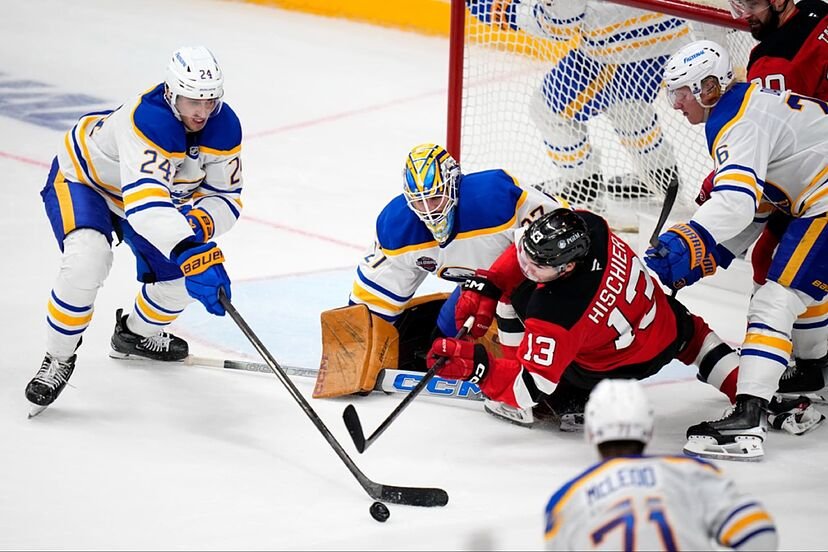
An NHL hockey game is 60 minutes long, consisting of three 20-minute periods.
Ever wondered how long is an nhl hockey game? The clock ticks down as players skate, shoot, and battle on the ice. It’s a sport packed with action.
These high-intensity matches are split into distinct sections. This timing is consistent across all regular season and playoff games. Understanding the flow is key to enjoying the sport.

How Long is an NHL Hockey Game?
Okay, so you’re wondering exactly how long an NHL hockey game lasts, right? It’s a great question, because it’s not always as simple as a clock striking a specific time. While the official playing time is pretty straightforward, there are lots of little things that add to the total time you’ll be at the rink or in front of the TV. Let’s break it all down so you know exactly what to expect when you’re watching a game of fast-paced, action-packed hockey!
The Basics: Three Periods of 20 Minutes
At the heart of every NHL game are three periods. Each of these periods is 20 minutes long. That’s the time the clock is actually running during the play. So, if you could magically make a game play without any stops, the actual playing time would be 60 minutes. Think of it like watching a movie – the movie itself might be 90 minutes long, but with previews and credits, the total time in the theater is longer.
But here’s the key: the clock doesn’t just run continuously. There are interruptions, and that’s what makes the total game time a bit longer.
What Stops the Clock?
The clock in an NHL game stops for lots of reasons. These pauses are important and add to the overall length of the game. Knowing what stops the clock helps you understand why games sometimes feel like they are taking a little longer than you were expecting.
Puck Out of Play
When the puck goes out of the playing area, whether it goes into the crowd or over the boards, the clock stops. This is to allow the players time to get the puck back in play, without pressure of time running out. This happens quite a lot during a match, as players try to shoot the puck at the goal.
Penalties
When a player breaks a rule and gets a penalty, the clock stops while the officials make their calls and give the penalty. The penalized player has to go to the penalty box for a specific amount of time. Then the other team gets a power play, where they get to play with one extra player on the ice for a certain amount of time, while the penalized player sits in the penalty box. Penalties are very common in hockey matches.
Goals
Whenever a team scores a goal, the clock stops so the players can celebrate, the referee can confirm that the goal was valid, and to allow for a face-off. Face-offs happen when the referee drops the puck between two players and they battle for control. These short pauses add up over the course of a game. It’s important to keep the energy in the game too, which makes small stops for celebrations helpful.
Injuries
If a player gets injured, the clock stops so they can get the medical help they need. Depending on the injury, the stop can be brief, or can involve a longer period of time if the player has to leave the game. Player safety is very important.
Television Timeouts
Just like many other major sports, there are television timeouts scheduled at particular moments during the game. The television networks use this time to show commercials. Usually, television timeouts occur about 3 or 4 times per period. They are generally used after the first whistle of play following the 6 minute mark, then again after the 14 minute mark. These can vary by network but are generally placed strategically within the game. They’re predictable stops, but add time to the length of the game.
Intermissions
Between each period, there are intermissions, and these are not included in the 60 minute game time. These are 15-18 minute breaks. During these intermissions, players can take a rest, the Zambonis come out to resurface the ice, and fans have a chance to stretch their legs. The length of these intermissions are important to consider, when thinking about the overall length of an NHL game.
Average Total Game Time
So, how does all this stopping and starting affect the total time you’ll spend watching an NHL game? In total, with the 60 minutes of playing time, plus all the breaks, timeouts, and intermissions, the average NHL game lasts around 2.5 to 3 hours. It is rare that a game finishes before two and a half hours. And when games are very close, or there are lots of penalties, a game can reach over three hours.
Here’s a breakdown to help picture it:
- Playing time: 60 minutes (3 periods x 20 minutes)
- Intermissions: 30 – 36 minutes (2 intermissions of 15-18 minutes each)
- Other stoppages (pucks out of play, penalties, goals, TV timeouts, etc.): Anywhere from 45 to 75 minutes, depending on the flow of the game.
Factors That Can Make a Game Longer
While the average game time is a good guideline, some games can go longer than others. Here are some things that can increase the time it takes to complete an NHL game:
Overtime
If the game is tied after the three regular periods, then the game goes into overtime. In the regular season, the overtime period is five minutes, played with three players on each team. The game ends once a team scores, and this is called a “sudden-death” overtime. If no one scores after the five-minute overtime period, the game goes to a shootout. In the playoffs, overtime periods are 20 minutes long and are played with five players on each team. Play continues with these 20 minute overtimes, until a team scores. Overtime, especially in the playoffs, can greatly increase the total time of the game. It is really exciting to watch, though!
Lots of Penalties
A game with a lot of penalties will take longer because the clock is constantly stopping and starting. Referees often call more penalties in certain games depending on the team, or the tension between players. These constant stops to the game can add a lot of extra time.
Many Goals
When there are lots of goals in a game, the clock also stops each time the puck goes in the net. These stops are short, but if there are many goals, then the overall time can be longer.
Major Injuries
Serious injuries can lead to long delays in play. These pauses can vary significantly. The time may be used for players on the ice to get medical treatment from team staff, or to get stretchers and bring players from the ice. These are never easy to watch, and can delay games by an unknown amount of time.
Video Review
Sometimes, when the referee is unsure about a play, a video replay is used to review what happened. These reviews can take some time and the clock is stopped while the officials watch the play on video, to help them make the right call.
The Importance of Knowing Game Length
Knowing how long an NHL game lasts is important, not just for fans watching at home, but also for people attending the games live. Here’s why it matters:
Planning Your Evening
If you’re going to a game, knowing that it’ll likely last around three hours helps you plan the rest of your evening. You can arrange transportation, dinner plans, or figure out what time you need to leave work to make the beginning of the match.
Scheduling Other Activities
If you’re watching at home, knowing the game’s likely timeframe helps you fit other things into your day or evening. You might have homework, or other plans, so knowing what time to expect the game to end helps you organize your time efficiently.
Pacing Your Energy
For those at the arena, especially kids, keeping an eye on the time can help you pace your energy. Games can be loud, exciting, and a long time to sit, so it’s important to take breaks, and know when the end of the game is approaching.
Understanding the Game Flow
Knowing that stoppages are a natural part of the game helps you understand the flow of a hockey match. It’s not a constant 60 minutes of action; there are ebbs and flows due to breaks and stoppages.
A Quick Summary of NHL Game Length
Let’s put all of the pieces together one more time. An NHL game has three periods of 20 minutes of playing time each. In addition to the playing time, there are two intermissions between the periods, which are generally about 15 to 18 minutes long. Then, there are clock stoppages for pucks that go out of play, for penalties, goals, injuries, and television timeouts. Taking all of this together, an average NHL game lasts for between 2.5 and 3 hours. But, depending on overtime periods, penalties, or other stoppages, some games can last longer than this.
So, the next time you’re planning to watch an NHL game, remember that while the on-ice action lasts for 60 minutes, the total time you spend watching will be a bit longer. Enjoy the game!
The total time for an NHL game can be quite a bit longer than the 60 minutes of actual playtime, due to many different variables that can stop the clock. Understanding these factors will give a clear understanding of why NHL games typically take about 2.5 – 3 hours, and sometimes a bit more. By understanding these elements, you’ll be much better prepared for what to expect when you tune into the next exciting NHL match. Enjoy the game!
Watch the expansion of the NHL through the years
Final Thoughts
So, how long is an NHL hockey game? The standard time is 60 minutes, divided into three 20-minute periods. This doesn’t include stoppages for penalties, puck out of play, or other events.
Intermissions add extra time. These breaks between periods typically last around 15-18 minutes. Therefore, the total game length is generally about 2.5 to 3 hours.
The final time varies due to overtime or shootouts. These occur if the score remains tied after 60 minutes. A typical game duration is important to consider.

