
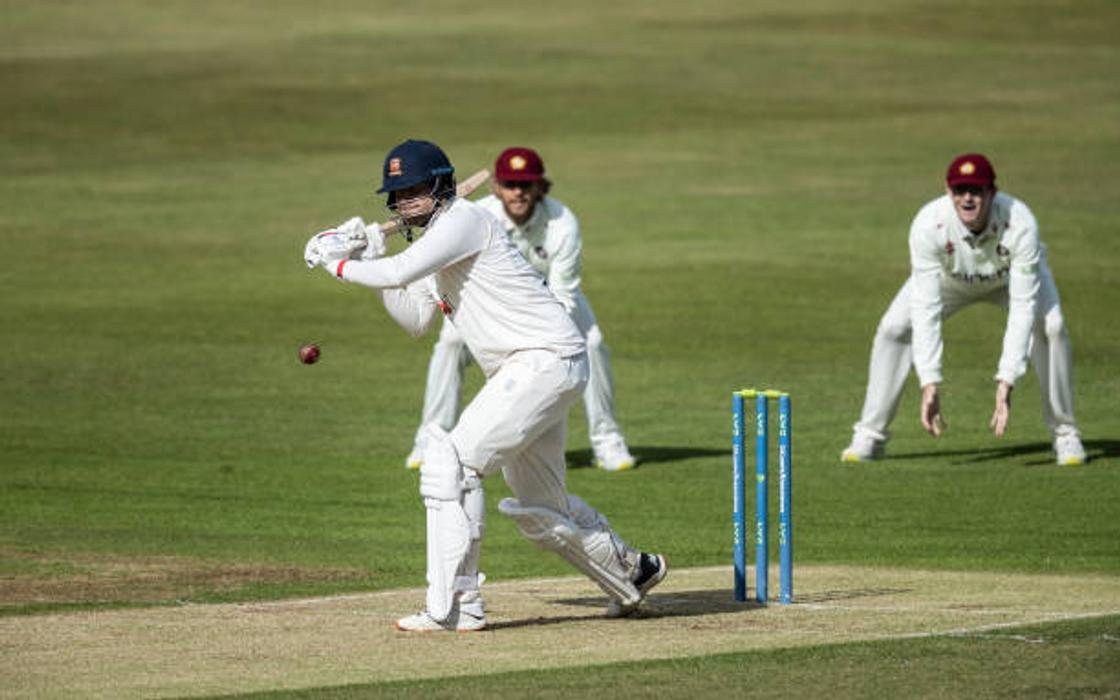
A cricket game’s duration varies greatly; a Twenty20 match lasts about 3 hours, while a Test match can span up to 5 days.
Ever wondered how long is cricket game? It’s a common question for newcomers and even some fans. The duration actually fluctuates significantly based on the specific format being played.
A quick Twenty20 blast finishes within a few hours, perfect for evening entertainment. However, traditional Test matches can stretch over multiple days, challenging both players and viewers’ patience. This variability is a key part of cricket’s charm, offering different experiences depending on the chosen format.

How Long is a Cricket Game?
Cricket, a sport loved by many around the world, comes in different flavors, each with its own unique duration. Understanding these various formats is key to appreciating the game fully. Unlike some sports with set times, cricket game lengths can vary a lot, depending on the type of match being played. Let’s dive deep and explore how long a cricket game can be, from short and sweet to long and intense.
Test Matches: The Marathon of Cricket
Test cricket is considered the ultimate test of a cricketer’s skill and endurance. These matches are the longest format, designed to push players to their physical and mental limits. They are a real battle of strategy and stamina. So, how long do they actually last?
The Five-Day Format
Traditionally, a Test match is scheduled for a maximum of five days. Yes, you heard that right – five whole days! Each day consists of around six hours of actual play, broken up into sessions with breaks for lunch and tea. This doesn’t mean the match always lasts the full five days. Sometimes a team wins before the fifth day, because they’ve scored more runs, or because they have bowled out the other team twice and taken all the wickets required. However, when neither of these happens, the game might end up in a draw. Here’s a breakdown:
- Each day has around 90 overs, but that might vary based on how quickly the overs are bowled.
- The total playing time per day is usually around 6 hours.
- Over the course of five days, if the full duration is played, a Test match can last up to 30 hours of playing time!
Factors Affecting Test Match Duration
Several things can shorten or change the duration of a Test match. Weather is a big one. Rain can delay or stop play, and if it’s severe enough, it can cause a day to be completely washed out. The quality of the pitch also affects the speed of the game. A pitch that is good for scoring runs may make the game move fast, while a pitch that helps bowlers may lead to more time being spent on play.
Another factor is how well the teams play. If one team plays very well and the other team struggles, the game might finish earlier than expected. A team can win by bowling out the opposition twice or by scoring enough runs to win the match, regardless of how many days are left. A draw happens when neither team can be bowled out twice and either the runs are not scored to win or the time runs out.
One Day Internationals (ODIs): A Full Day of Cricket Action
ODIs offer a shorter, faster-paced version of cricket. As their name suggests, One Day Internationals are usually completed in one day. This is a good format for those who want to see the action without committing to five days of cricket.
The Standard 50-Over Game
In an ODI, each team gets to bat for a maximum of 50 overs, and then they switch. This format keeps the action moving and creates some thrilling finishes. Here is an overview:
- Each innings usually takes around 3.5 to 4 hours.
- Including breaks, an ODI match can last anywhere from 7 to 8 hours.
- The breaks in an ODI are shorter than the ones in Test cricket.
Factors Impacting ODI Length
Weather can also affect ODIs, just like Test matches. Rain delays are common, and sometimes games have to be shortened. If a game is shortened due to rain, the number of overs for both teams is reduced, and a calculation is used to determine a target score for the team batting second. The weather might also cause the games to start later, affecting the length of the game and impacting the light condition. Another reason why ODIs might be shorter is because the second team gets to their target score earlier and that completes the match. If either team is bowled out before the end of 50 overs, the game also finishes sooner.
Twenty20 (T20) Cricket: The Fast-Paced Thrill
T20 cricket is the shortest and most fast-paced version of the game. It is designed for excitement and high-scoring matches. This format is all about quick runs, amazing catches, and edge-of-the-seat moments.
The Rapid 20-Over Format
In T20 cricket, each team has a maximum of 20 overs to bat. The shorter game length makes it really popular. People watching can enjoy a game without dedicating a whole day. Let’s take a look:
- Each innings takes about 1.5 to 2 hours.
- A full T20 match, including breaks, usually lasts around 3 to 3.5 hours.
- The breaks in T20 are usually very short, because of its format.
Why T20 Games are So Quick
The main reason T20 is so fast is because of the limited overs. This format encourages players to go for big shots and score runs as quickly as possible. There are fewer breaks, and the action is non-stop. T20 has become very popular because it is fast and exciting. Like other formats, the weather can affect T20 games. If there is rain, the number of overs can be reduced, which may lead to an even shorter game. When one team is bowled out early, that also shortens the match. Another reason can be when the other team wins by scoring enough runs.
Other Cricket Formats and Their Durations
Besides the main formats, there are other forms of cricket with different lengths.
First-Class Cricket
First-class cricket is another format, often played in domestic tournaments and regarded as an important route to Test cricket. These matches are similar to Test matches but can vary in length. The duration of a first-class match is usually three to four days depending on the rules of the specific tournament. First-class matches may have slightly different rules than international Tests. Usually there are fewer breaks and more actual playing time in a day compared to Test matches.
Limited-Overs Domestic Cricket
Many domestic cricket competitions have their own rules and formats for limited overs matches. These can vary in length and format. Some common formats include 40-over, 30-over, and even 20-over matches. These are usually designed to be completed in a single day with varying durations of time based on the number of overs, with typical formats like 40 overs taking the longest duration and others like 20 overs taking the shortest duration. The actual game times vary based on the rules of the specific tournaments.
The Hundred
The Hundred is a relatively new format where each team bats for 100 balls. This means that a match doesn’t have overs in a traditional sense. Each innings is limited to 100 balls and a full match generally lasts for about 2.5 to 3 hours.
A Quick Guide to Cricket Match Lengths
Here’s a quick table to summarize the duration of different cricket formats:
| Format | Typical Duration |
|---|---|
| Test Match | Up to 5 days (around 30 hours of play) |
| One Day International (ODI) | 7-8 hours |
| Twenty20 (T20) | 3-3.5 hours |
| First-Class Cricket | 3-4 days |
| Limited-Overs Domestic Cricket | varies, usually a single day |
| The Hundred | 2.5-3 hours |
As you can see, the length of a cricket game can differ greatly depending on the format. This makes cricket diverse and gives everyone a format they can enjoy. Whether you prefer the long strategic play of a Test match or the fast action of a T20 game, there’s a cricket format for you.
Understanding how long a cricket game is allows you to plan your day, whether you are watching on television or in person. This variety in game lengths also adds to the appeal of cricket as a sport enjoyed by millions of people worldwide.
The Rules of Cricket – EXPLAINED!
Final Thoughts
Cricket match duration varies significantly. A T20 game usually lasts around three hours. One Day International (ODI) matches take about eight hours to complete.
Test matches are the longest format. These can span up to five days. ‘How long is cricket game’ truly depends on the format being played.

