
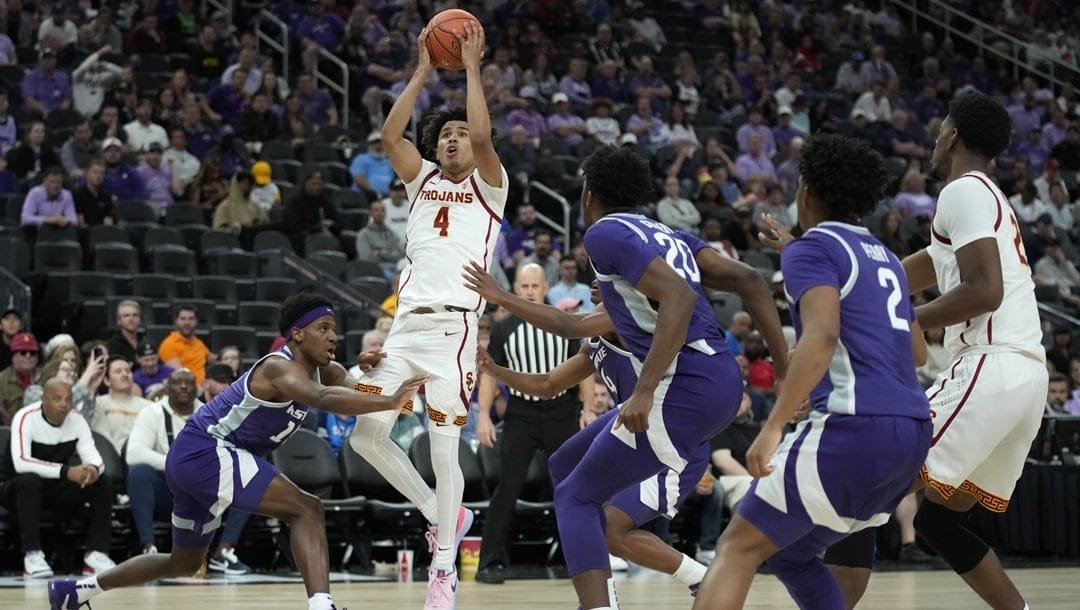
An NCAA basketball game consists of two 20-minute halves, totaling 40 minutes of playing time.
Ever wondered how much time you actually spend watching the action on the court? We often get caught up in the excitement, but exactly how long is an NCAA basketball game? It’s a question many fans, new and old, find themselves asking.
The game clock plays a big role, with stoppages for fouls, timeouts, and other interruptions. These add to the overall duration. Understanding this helps you plan your viewing schedule.

How Long is an NCAA Basketball Game?
Ever wondered how long you’ll be glued to your seat watching an exciting NCAA basketball game? It’s a great question! Unlike some other sports, basketball has a pretty consistent game length, but there are some important things to know that can affect the overall time you spend watching. Let’s dive into the details of how long an NCAA basketball game typically lasts and what factors can make it shorter or longer. We will look at the official playing time, how timeouts and other stoppages add to the clock, and even how overtime can extend the game beyond the usual timeframe. Get ready to become an expert on NCAA basketball game duration!
The Official Game Clock: 40 Minutes of Action
At its core, an NCAA basketball game is officially 40 minutes long. This playing time is broken down into two halves, each lasting 20 minutes. Think of it like two separate mini-games played back to back. The clock only runs when the ball is in play, so when the ball is out of bounds, during a free throw, or during a timeout, the clock stops.
The Two Halves: What to Expect
The two 20-minute halves are where most of the basketball action happens. Teams work hard to score as many points as they can, and the clock keeps track of every second. However, this doesn’t mean that every game takes exactly 40 minutes. There are many reasons why the real time spent watching a game will usually be a lot longer.
Timeouts: Breaks in the Action
Timeouts are a critical part of the game strategy. Coaches use these breaks to talk to their teams, make adjustments, and give their players a chance to catch their breath. Each team has a certain number of timeouts they can use in a game. In NCAA basketball, each team gets four 30-second timeouts and one full timeout each half, and these can really make the game longer than the official playing time. Usually, in NCAA basketball these timeouts are called by a coach or even the players, and they provide short pauses in the action that benefit the team.
How Timeouts Add to Game Length
While each timeout is only 30 seconds or a minute long, these breaks add up over the course of the game. If a team uses all of its timeouts, this can add several minutes of clock stoppage to the game. Keep in mind that these moments are also crucial for TV broadcasts, so they don’t just stop the game clock but also allow for commercials to be aired.
Halftime: A Longer Break
After the first 20-minute half, there’s a longer break known as halftime. This pause allows players to rest, coaches to prepare strategies, and also gives the fans some time to stretch. Halftime in NCAA basketball is usually 15 minutes long. That’s plenty of time for players to get some food and refocus before the second half starts.
Stoppages in Play: Beyond Timeouts
Besides timeouts, many other reasons cause the game clock to stop. These stoppages can happen very frequently and can significantly impact the total game length. Let’s explore some common situations where the clock stops.
Fouls and Free Throws
When a player commits a foul, the game clock stops. The fouled player might get to shoot free throws, where the clock remains paused until the ball is back in play. The number of free throws can vary depending on the type of foul and if the team is “in the bonus”. All of this adds time to the game.
Out of Bounds and Jump Balls
Anytime the ball goes out of bounds or a jump ball occurs, the clock stops. The game doesn’t restart until the ball is back in the hands of a player to continue play. Although these stoppages are typically short, they happen numerous times each game.
Injuries
If a player is injured during the game, the clock stops to allow medical professionals to tend to them. The length of these stoppages can vary based on the severity of the injury. This can add time to the game but is important for the health of the players.
Official Reviews
Sometimes, officials need to review a play to ensure they made the right call. This usually involves looking at video replays which can take a few minutes. These reviews make sure the game is fair, but they also add time.
Overtime: When a Game Isn’t Enough
Sometimes, after 40 minutes of intense gameplay, teams might still be tied. When this happens, the game enters overtime. Overtime periods provide another chance for a team to come out victorious.
How Overtime Extends the Game
In NCAA basketball, if the score is tied after the two halves, one or more 5-minute overtime periods are played until a winner is decided. If the score is still tied after the first overtime, they play another overtime period. Each overtime period adds an additional 5 minutes of playing time. Just like the regular game, these overtime periods can add even more real time to the overall game length.
Multiple Overtime Periods
It is not unusual to see a game go into multiple overtime periods, which can significantly increase the total length of a game. Some games are known for their long duration, caused by the extra overtime periods.
The Real Time: How Long a Game Actually Takes
So, while the official game time is 40 minutes, the actual time you spend watching an NCAA basketball game is usually longer. When you add in timeouts, halftime, fouls, out-of-bounds, replays, and potential overtime periods, games usually take between two and two and a half hours to complete. This total time can be even longer if there are many stoppages or multiple overtimes.
Average Game Length
The average NCAA basketball game, factoring in all of these things, tends to last about 2 hours and 10 minutes to 2 hours and 20 minutes. However, it is important to remember that this time can vary and some games might be shorter or much longer.
Factors that Influence Game Length
Several things can affect the actual length of an NCAA basketball game. These factors can make a game seem shorter or longer than the average time.
The Pace of Play
If two teams play a fast, up-tempo game, the game might have more possessions and less stoppage time, thus affecting the total length of the game. On the other hand, if two teams play more slowly and carefully, it can lead to more stoppages, which makes the game last longer.
Number of Fouls
A game with a lot of fouls will usually take longer because there are more free throws and stoppages of play. Games with less fouling often run more smoothly, leading to shorter overall times. Also, free throw time can vary widely. Some players take little time to throw their free throws, whereas other players take more time.
The Number of Timeouts
The more timeouts a team uses, the longer the game will be. If teams use all of their timeouts, this will significantly add to the total time it takes for a game to be completed.
The Presence of Overtime
Overtime is a significant factor in the total length of the game. Every overtime period adds at least 5 minutes to the game clock. A game with multiple overtime periods will be considerably longer than usual.
Close Games
Close games in the final minutes can increase the total time. Teams might play more carefully, and coaches might use timeouts strategically. These close games might lead to more foul stoppages, thus extending the game time.
Why Knowing Game Length is Important
Understanding how long an NCAA basketball game can last is helpful for several reasons:
- Planning Your Schedule: Knowing the expected game duration helps fans plan their day and evening activities, whether they are attending a game in person or watching on television.
- Managing Viewing Time: Knowing the average game time allows viewers to decide if they have the time to watch a complete game, especially if the game is live and not recorded.
- Understanding the Game: Understanding how various game events can affect the length of the game helps in understanding and appreciating the sport better.
How to Make the Most of Your Viewing Experience
Whether you are going to a game in person or watching on TV, here are a few tips to enhance your experience:
- Stay Hydrated: Bring water or other drinks, especially if you are at a game.
- Wear Comfortable Clothing: Dress comfortably so you can sit or stand for a long time.
- Bring Snacks: Pack snacks for the game or purchase snacks at the venue, as games can be long.
- Be Prepared for a Long Game: Be prepared to settle in for an average of two hours of entertainment, and maybe longer.
- Be patient and Enjoy the Game: It is okay if the game is a bit longer, the enjoyment of the sport is the most important part.
In summary, while the official game time of an NCAA basketball game is 40 minutes, the real time you’ll spend watching it is considerably longer. Factors like timeouts, halftime, fouls, stoppages, and overtime all add to the overall length of a game. With a typical game lasting between 2 and 2.5 hours, it’s best to plan accordingly. So, settle in, grab your snacks, and get ready for some exciting basketball action!
Auburn Tigers vs. LSU Tigers | Full Game Highlights | ESPN College Basketball
Final Thoughts
NCAA basketball games typically last for 40 minutes of playing time, divided into two 20-minute halves. This does not include time-outs, halftime, and other stoppages. Therefore, a full game can often extend past two hours.
The actual clock pauses frequently, extending the total duration. So, when someone asks, “how long is ncaa basketball game,” the answer isn’t simply 40 minutes. Expect to dedicate around two hours plus for a complete viewing experience.

