
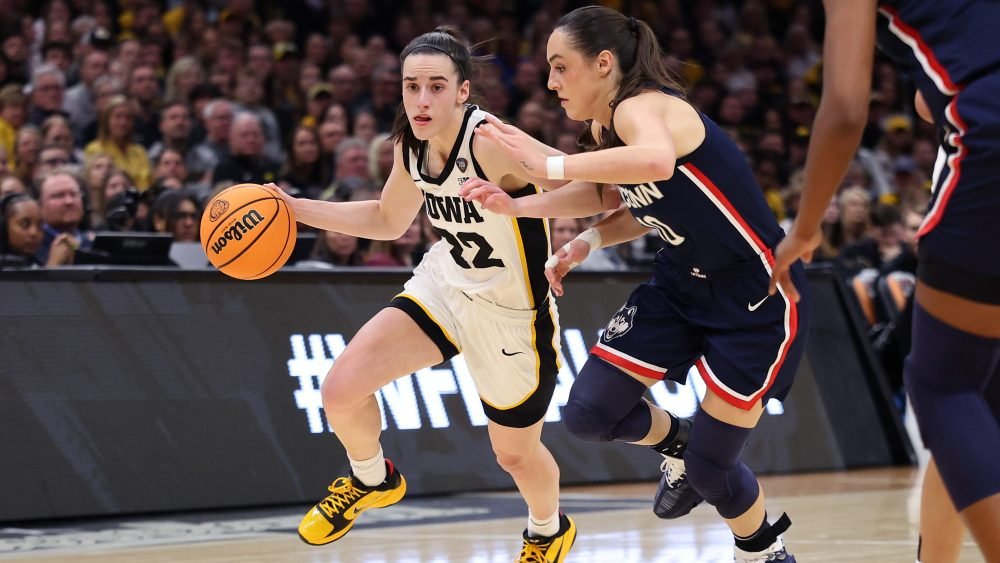
An NCAA women’s basketball game is 40 minutes long, divided into four 10-minute quarters.
Curious about the duration of a college hoops game? You’re not alone! Many fans wonder, exactly, how long is ncaa womens basketball game? It’s a common question, especially for those new to the sport or used to different formats.
The game’s timing differs slightly from the men’s side or professional leagues. So, knowing the structure is key to enjoying each possession. You will find that each contest gives plenty of exciting action.

How Long is an NCAA Women’s Basketball Game?
Let’s dive into the exciting world of NCAA women’s basketball! One of the first things you might wonder when you start watching a game, or even think about playing, is: how long will this game actually last? It’s not just a quick run around the court; there’s a specific structure to it. Understanding the timing of a game can help you plan your viewing schedule or even prep for a big game if you’re a player. So, let’s break down the clock and see what makes up the duration of a typical NCAA women’s basketball game.
The Standard Game Length: Four Quarters
Unlike some other basketball leagues, NCAA women’s basketball games are played in four quarters. Each quarter is 10 minutes long. This adds up to 40 minutes of playing time if the clock were to run continuously. But, of course, it doesn’t work like that. There are lots of stops and starts in a basketball game! But first, let’s really nail down what the standard game length means in basic terms:
- Four Quarters: Each game is divided into four chunks of playing time, called quarters.
- 10 Minutes Per Quarter: Each quarter lasts exactly 10 minutes of on-the-court action.
- Total Playing Time: Without any interruptions, the game would last 40 minutes of active play.
You might notice the difference compared to professional men’s basketball, where each quarter is 12 minutes long. So, in terms of the official running time, women’s college basketball games are shorter.
Why Quarters Instead of Halves?
You may be wondering why NCAA women’s basketball uses quarters instead of two longer halves, like in some men’s basketball. The switch to four quarters happened back in 2015. The change was made to align with the international rules of basketball and promote better gameplay strategy. This also provides more opportunities for TV timeouts, ensuring that broadcasts of the games flow more smoothly.
Understanding Timeouts in a Game
Timeouts are a big part of any basketball game, and they definitely add time to the overall clock. Both teams get timeouts to strategize, rest, or make substitutions. There are different types of timeouts:
Regular Timeouts
These are the common ones you see during the game. Teams get a certain number of full timeouts (typically 60 seconds) and short timeouts (30 seconds). These are used by coaches to talk with their players, plan a play, or give players a brief breather.
TV Timeouts
When a game is being broadcast on TV, there will be scheduled timeouts. These help with commercials and allow for some extra analysis on TV, but also add some extra time to the game’s length. These TV timeouts are usually longer than a regular timeout.
How Timeouts Affect Overall Game Length
Timeouts can seriously affect how long a game actually lasts. The number of timeouts can vary, but they can easily add 10 to 20 minutes or more to the game clock. Remember, the clock stops during timeouts, which gives players a rest, but also draws out the game a bit.
Halftime in NCAA Women’s Basketball
Just like in other sports, there’s a break in the middle of the game called halftime. It occurs after the second quarter, which separates the first half from the second half. This is a longer break than a regular timeout, giving the players a chance to rest and coaches a chance to regroup with their teams.
The Length of Halftime
The standard halftime length in NCAA women’s basketball is 15 minutes. This is enough time for players to take a breather, get any necessary medical attention, and for coaches to go over adjustments for the rest of the game.
The Stop Clock: Why Games Can Feel Longer
While the playing time is 40 minutes, basketball is not a continuously running clock sport. There are many reasons why the clock stops throughout the game. Here are some of the main reasons:
- Timeouts: As we mentioned, when a coach calls a timeout, the clock stops.
- Fouls: If a player fouls another player, the clock stops until play resumes, typically with free throws or a change of possession.
- Out of Bounds: When the ball goes out of bounds, the clock stops until play continues.
- Jump Balls: When two players from opposing teams both have their hands on the ball, a jump ball happens, stopping the clock.
- Made Baskets in the Last Two Minutes of Each Quarter: In the final two minutes of each quarter, the clock stops after every made basket. This rule encourages strategic plays and thrilling finishes.
- Injuries: If a player gets injured, the clock stops to allow them medical attention.
All these stoppages add time onto the game, making it feel a lot longer than just 40 minutes. The stopping and starting is part of what makes the game dynamic and exciting!
Factors Affecting the Game Length
There are many factors that can make a game run shorter or longer. Here are some key ones:
The Number of Fouls
If there are a lot of fouls during the game, the clock will stop more often. Every foul, especially a shooting foul, adds free throws and time to the game, which can extend the total time it takes to complete the game.
Close Games vs. Blowouts
Close, competitive games usually have more stops in the final few minutes because of the rule that stops the clock after every made basket. If a team is way ahead, however, it might lead to less stopping, making a game go by a bit quicker. Also, coaches of teams with a large lead tend to run the clock down more, avoiding fouls and using up more play clock.
Number of Timeouts
How teams use their timeouts during the game can also affect the length of a game. If one team uses every timeout available, it will add more time to the game.
Overtime Situations
If the score is tied at the end of regulation (the fourth quarter), the game goes into overtime. Overtime periods in NCAA women’s basketball are 5 minutes each. Overtime can really add time to a game, and if the score is still tied after the first overtime, then another 5-minute overtime occurs, and so on until a winner is decided.
Estimating Total Game Time: What to Expect
So, how long is an NCAA women’s basketball game really? Here’s what you can roughly expect:
- Playing Time: A standard NCAA women’s basketball game has 40 minutes of playing time.
- Halftime: Add 15 minutes for the halftime break.
- Timeouts and Stops: These vary but add an average of 20 to 40 minutes to the clock.
- Overtime Possibility: A very close game can end in overtime, adding at least another 5 minutes to the clock.
All things considered, most NCAA women’s basketball games last around 1 hour and 45 minutes to 2 hours, though it could be shorter or longer depending on the game itself. Games with a lot of fouls or close finishes might take longer, but it’s very rare that a game will go over 2.5 hours.
Key Differences Compared to Other Basketball Levels
Let’s quickly touch on how game times compare at different levels of basketball:
High School Basketball
High school games use quarters, but they are shorter than in the NCAA. Most high schools play four eight-minute quarters. Thus, the total playing time in a high school game is 32 minutes.
WNBA (Women’s National Basketball Association)
The WNBA plays four 10-minute quarters, just like the NCAA. Therefore, the playing time is the same (40 minutes), but the game flow and TV breaks are different and often result in a longer game time.
NBA (National Basketball Association)
NBA games have four 12-minute quarters, for a total playing time of 48 minutes. This is the biggest difference in basic game time compared to women’s college basketball.
Why Understanding Game Length Matters
Knowing how long an NCAA women’s basketball game is, gives you a better view of how the game will unfold. If you’re a spectator, you can plan your viewing time, and it can help you understand the time and flow of the game. If you are an athlete, it also helps with managing your training and your rest. It’s helpful to understand how each break in the game affects the flow and strategy of the match. So understanding how time plays into a basketball game is very essential for everyone involved.
Understanding the ins and outs of NCAA women’s basketball game timing allows fans and players alike to appreciate the game fully. It’s not just about watching the action; it’s also about understanding the rhythm and strategic pace that unfolds over those 40 minutes (plus a bit more!). From quarter breaks and timeouts to halftime and the possibility of overtime, the clock is an important element of the game and adds to the overall excitement and enjoyment of the competition.
Notre Dame vs. North Carolina Full Game Replay | 2024-25 ACC Women's Basketball
Final Thoughts
NCAA women’s basketball games, like the men’s, have four 10-minute quarters. This differs from the 20-minute halves seen in some other levels. These timed periods ensure a consistent game length for fans and players.
Therefore, ‘how long is ncaa womens basketball game’ translates to a total of 40 minutes of playing time. This excludes timeouts, halftime, and other stoppages. Actual game duration may vary.

