
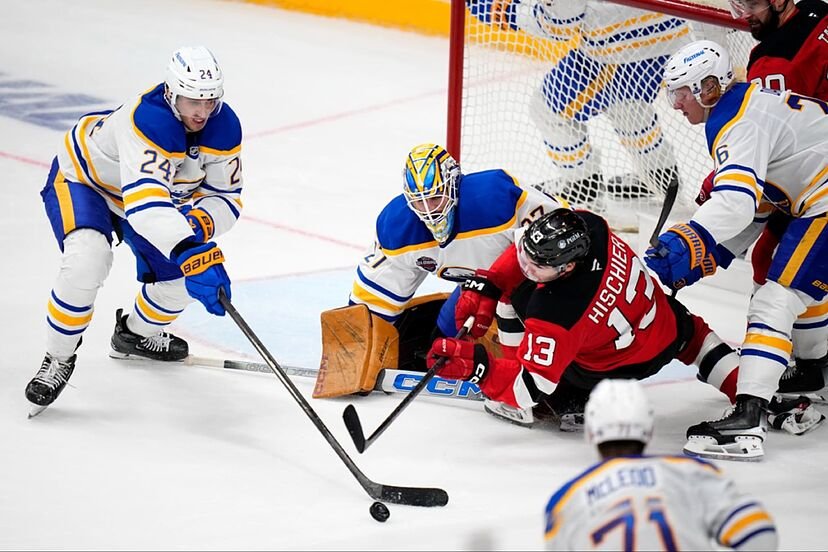
A standard professional hockey game lasts 60 minutes of playing time, divided into three 20-minute periods.
Have you ever wondered how long is professional hockey game? It’s a question many first-time viewers have when they get swept up in the fast-paced action and thrilling moments of a match. The clock keeps ticking, of course, but the actual playing time isn’t the only thing that dictates the length of a game.
You might be surprised to learn that with intermissions and other stoppages, a typical hockey game can last much longer. All those whistles and breaks for television coverage really add up, which brings us to the full duration of this sporting event.

How Long Is a Professional Hockey Game?
Ever wondered how much time you need to set aside to watch a professional hockey game? It’s not just a simple 60-minute affair like you might think. There’s a lot more to it than just the time on the clock ticking down in three periods. Let’s break down everything that contributes to the total time of a professional hockey game and explain why it often feels like it takes longer than you expect. We will explore the standard game length, what contributes to game length fluctuations and other essential knowledge.
The Standard 60 Minutes: What Happens on the Ice?
The core of a professional hockey game, in leagues like the NHL (National Hockey League) or the AHL (American Hockey League), is structured around three 20-minute periods. These periods are actual playing time, meaning the clock stops every time there is a stoppage in play. This makes the 20-minute periods much different than the 20-minute quarters you see in some other sports, where the clock rarely stops.
Understanding the Three Periods
Each period starts with a face-off at center ice. This is where two players from opposing teams try to win control of the puck. Here is a breakdown of what you see in each of these standard 20-minute periods:
- Active Play: The clock runs as players skate, pass, shoot and try to score goals.
- Stoppages: The clock stops when the puck goes out of bounds, when a player commits a penalty, or if a player gets injured. Face-offs are used to resume play.
- Period Breaks: In between every period, there is a break or intermission where players get to go off the ice, regroup, and strategize.
Intermissions: The Breaks Between the Action
Those breaks between periods, called intermissions, are really important. They’re not just a chance for the players to catch their breath. Here’s what typically happens during an intermission in a professional hockey game:
- Ice Resurfacing: One of the most important parts of the intermission is resurfacing the ice. The Zamboni, a special machine, cleans and smooths the surface, making it faster and safer for players.
- Rest and Strategy: Players return to their locker rooms to rest and chat with their coaches about game strategy for the next period.
- Fan Engagement: Intermissions often include entertainment for the fans, like games or contests on the big screen.
How Long Are Intermissions?
Intermissions usually last for about 15-18 minutes in the NHL and 15 minutes in the AHL, giving everyone time to regroup before heading back out for the next period of hockey action. These breaks are very important to maintaining the flow of the game and the safety of the players.
Beyond the 60 Minutes: Factors That Extend Game Time
Now, while the active gameplay is 60 minutes, the total time you’ll spend watching a professional hockey game is often much longer. Let’s explore the factors that contribute to this.
Penalties and Power Plays
When a player commits a penalty, they are sent to the penalty box for a set amount of time. Depending on the penalty type, the player could be sent out for two minutes, four minutes or even five minutes. The other team then gets to play with a player advantage, which is called a power play. Here’s what happens:
- Clock Stoppages: During a penalty situation, the clock stops.
- Power Play Time: The game clock continues to run during a power play, but these situations can sometimes extend the game length because they may lead to more stoppages in the play due to scoring chances.
Game Stoppages
A variety of things can stop the game clock, making it last longer than the 60 minutes of active play. Here are some of the common reasons for stoppages in play:
- Puck Out of Bounds: When the puck goes out of the playing area, the clock is stopped to allow for a face-off.
- Icing: If a player shoots the puck from behind their own side of the red line and the puck travels to the other team’s end, without being touched by any other player, this is called icing. The clock is stopped and a face-off occurs in the other team’s zone.
- Injuries: If a player gets hurt, the game stops immediately. Medical personnel must attend to the player, and this can add to the total game time. The clock stops until the injured player is attended to and the game resumes.
- Goal Reviews: Sometimes, when a goal is scored, the referees may need to review the play with video replay to make sure it was a legitimate goal. This review can sometimes take a few minutes. The clock stops until the review is complete.
- Fighting: When players engage in fights on the ice, they are given a penalty. The clock stops while the referees address the situation.
Overtime: When the Game is Tied
If the score is tied after three periods, the game goes into overtime, adding additional playing time. The rules for overtime can be different based on the league, but in the NHL:
- Sudden Death: Overtime in the regular season is typically a sudden-death period. That means that the first team that scores a goal wins the game.
- Length of Overtime: In the NHL, regular season overtime is a five minute period of 3-on-3 hockey.
- Shootout: If no one scores in the five-minute overtime, a shootout happens, where players from both sides attempt to score goals on the opposing teams goalie. The team that scores the most goals wins. The shootout doesn’t add any more time to the game clock, but it does add to the total amount of time spent watching the game.
In the playoffs, overtime is different. Overtime periods in the playoffs are a full 20-minutes, sudden death. So the first goal wins, but there can be multiple overtimes before a goal is finally scored.
The Total Time: Putting it All Together
So, with all these factors, what is the total time for a professional hockey game? While the active play time is 60 minutes, here’s a typical breakdown:
- Playing Time: 60 minutes (three periods of 20 minutes each)
- Intermissions: Approximately 30-36 minutes (two 15-18 minute intermissions)
- Stoppages, penalties, and reviews: Variable, but can easily add another 30-45 minutes
- Overtime (if needed): 5-20+ minutes
- Shootout (if needed): Approximately 5-10 minutes
When you add it all up, you’re usually looking at about 2.5 to 3 hours of total time for a standard professional hockey game, and sometimes longer. Keep this in mind when planning your viewing time.
Differences in Game Length Across Leagues
While the general structure of three 20-minute periods is standard across many professional leagues, there can be some differences in other aspects of game length. Here’s a closer look:
NHL vs. AHL
The National Hockey League (NHL) and the American Hockey League (AHL) both use three 20-minute periods and similar intermission lengths. However, there can be some minor differences in how stoppages and penalties are handled, which can impact the total game time. The NHL also uses 3 on 3 overtime which can sometimes be shorter than other leagues using 4 on 4 or 5 on 5.
International Hockey
International hockey competitions, such as the Olympics or the World Championships, mostly follow similar rules for game length as the NHL. There may be some differences in rules, but they typically don’t drastically change the total length of a game. However, other international leagues throughout the world may have slightly different rules regarding game length. It depends on which league you’re watching.
Tips for Planning Your Hockey Game Viewing
Since the length of a professional hockey game can vary, here are some tips to keep in mind when planning to watch one:
- Allow Ample Time: Always plan for at least 2.5-3 hours, and be aware that if it goes to overtime, it could be much longer.
- Check the Schedule: Look at the start time to make sure you have enough time to watch the whole game, especially if you have other things to do.
- Be Patient: Remember that the game has stoppages, reviews, and intermissions, so don’t be surprised if the game time feels longer than you expect.
- Enjoy the Experience: Whether you are watching at home or at the arena, enjoy every moment of the game, the strategies, the players, the action, the goals, and the atmosphere.
In conclusion, while the clock may only run for 60 minutes of game play in professional hockey, the various stoppages, intermissions, and overtime periods can extend the overall game time. The total time a person spends watching a game is generally around 2.5 to 3 hours. Understanding these time variations will help you enjoy the hockey game experience to its fullest, allowing for proper planning and more enjoyment.
The Rules of Ice Hockey – EXPLAINED!
Final Thoughts
A standard professional hockey game runs for 60 minutes of playing time. This divides into three 20-minute periods. Intermissions happen between each period, adding to the total time.
Penalties and stoppages for play also extend the duration of a game. Overtime, if needed, adds more time to the game clock too. Thus, how long is professional hockey game varies from game to game.

