
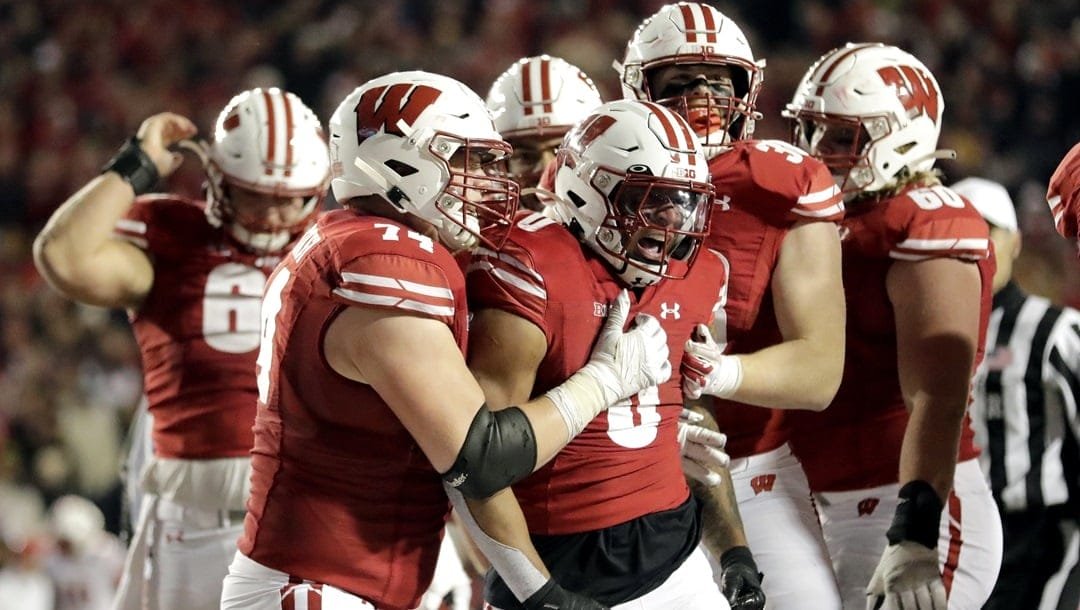
The average college football game lasts approximately 3 hours and 15 minutes.
Ever wondered how long is the average college football game? It’s a question that often pops up as fans plan their weekends, or simply settle in to watch. The duration can feel like an eternity or fly by, depending on the excitement on the field.
This time includes all the breaks, halftime, and of course, the actual game play. So, you are in for a longer commitment than your typical movie if you plan to watch a whole match.

How Long is the Average College Football Game?
College football games are exciting! You see amazing plays, big hits, and hear the roar of the crowd. But have you ever wondered, “Just how long will this game actually take?” It’s a good question, because planning your Saturday around a game is important. The answer isn’t always a simple one, as several factors can affect the final clock time.
The Standard Game Length
The basic structure of a college football game is four quarters, each 15 minutes long. If you do the math, that’s 60 minutes of game clock time. However, don’t be fooled, a game that’s only 60 minutes long is a myth! The clock stops quite a bit, which significantly adds to the overall time it takes to complete a game. This is one of the many reasons why the total time spent at a game, or watching from your couch, is much longer than an hour.
Breaks and Timeouts
Just like in school, there are breaks in the action of a college football game. Here are the most common breaks that will add to a games total time:
- Quarter Breaks: After each quarter ends, there’s a short break. Usually it takes a couple of minutes to switch sides, let players regroup, and prepare for the next quarter.
- Halftime: The biggest break is halftime, which comes between the second and third quarters. This is a longer break and it can take 15-20 minutes or sometimes even more, depending on whether there are performances or special presentations at the stadium.
- Timeouts: Each team gets a limited number of timeouts per half. These are called by coaches when they want to talk to their players or stop the clock. Timeouts can be called for various reasons, like to discuss strategy or when a player needs medical attention.
- Commercial Breaks: Like many televised sporting events, football games have commercial breaks. These breaks are also added to the game time, they make it even longer.
Clock Stoppages
The game clock doesn’t run constantly during a football game. Lots of things cause the clock to stop and every stoppage adds to the total length. Let’s look at what might make that clock pause:
- Incomplete Passes: When a pass is thrown and nobody catches it, the clock stops until the next play starts.
- Out-of-Bounds Plays: If a player with the ball runs out of bounds, the clock will stop. It only restarts when the next play begins.
- Penalties: Whenever a penalty occurs, the clock will stop. The officials need time to review the play and decide whether to give a penalty.
- Change of Possession: When a team gets the ball after the other team had it (for example, when there’s a turnover or a punt), the clock will stop until the ball is ready for the next play.
- Scoring Plays: Anytime a touchdown or field goal is scored, the clock will stop to celebrate and to prepare for the extra point or kickoff.
- Injuries: If a player gets hurt, the clock will stop. The game won’t restart until the injured player gets the attention needed.
- Instant Replay: Sometimes officials will review a play using instant replay to make sure they made the right call. During this review, the game clock is stopped.
What’s the Average Total Length Then?
Given all those stoppages, it’s rare for a college football game to finish in exactly 60 minutes. A typical game can run anywhere from 3 to 3 1/2 hours, sometimes even longer. The exact length varies, but you can generally expect the game to go over the standard time of 60 minutes.
Factors That Influence Game Length
Some games might be way faster than average, and some could take longer, depending on various factors. It’s not always the same each game. Here are some of the biggest reasons why:
- Number of Scoring Plays: If there are lots of touchdowns or field goals, the clock stops more often, which adds to the game time. Higher-scoring games tend to run longer.
- The Pace of Play: Some teams might play faster by huddling up and quickly running a play, whereas some teams will try to slow the game by taking their time to line up. If a team is very quick or slow, this may affect the game time.
- The Amount of Penalties: Games that have a lot of penalties often take longer because the officials have to stop the clock and review the play.
- Close Games Versus Blowouts: If the game is a very close one, it may take longer because both teams are trying their hardest to win. Blowouts, where one team is clearly winning and the other team is losing by a large margin, often have less clock stoppages. The team that’s ahead might run the ball more which runs the clock.
- TV Commercials: Nationally televised games have more commercial breaks than smaller local games, that also adds to the total game time.
Another factor could be weather delays. If there are thunderstorms or other dangerous weather, games can be delayed which could dramatically change the length of a game.
Comparing to NFL Games
College football and professional football (NFL) have differences in game rules and play style. While the general game structure is similar, they do vary a bit on game time. NFL games do tend to be a bit longer than college games. Here’s how they’re different:
NFL vs. College Game Length:
- NFL Quarters: NFL quarters are 15 minutes long, just like college, but they usually have fewer stoppages of the clock.
- NFL Timeouts: NFL teams have less timeouts compared to college.
- NFL Halftime: NFL halftimes tend to be around 12-13 minutes.
- NFL Commercial Breaks: NFL games often have more frequent and longer commercial breaks due to higher television viewership.
In total, you can usually expect an NFL game to take around 3 to 3 1/2 hours or more to complete, sometimes longer. However, the stoppages in the clock can be different, and the amount of scoring can influence that length.
Why Does it Matter to Know?
Knowing the average length of a college football game is very important. Here are some important reasons why it matters:
- Planning Your Day: It helps you when planning your day or weekend to ensure you have enough time to do the things that are important. You can figure out the best time to head to the stadium or tune in on the television.
- Scheduling Activities: It lets you figure out when you’ll have time for other things before, during, or after the game. This can help with figuring out meal times or when to do other chores.
- Travel Plans: If you are going to a game in person, knowing how long it will take will help you plan your arrival and departure so you don’t get stuck in a huge crowd or miss out on the action.
- Family Time: For those who want to enjoy the game while spending time with family, knowing the estimated time will help you plan the best time to sit down together.
- Setting Expectations: It helps to set expectations, so you won’t be surprised or disappointed if the game takes a long time.
Keeping Track of Time During the Game
If you’re at a game, you can usually see the game clock on the stadium scoreboard. If you are watching the game on TV, you’ll also see the clock on the screen. Keeping an eye on the clock will help you know when to anticipate the breaks and the end of the game. If you’re not directly watching the game, some websites and apps will update on the game times, so you know what part of the game is being played.
Don’t forget to factor in extra time if you need to travel to and from the stadium, if you’re tailgating, or if there is extra time at the end, because of overtime. If you are tailgating, this will be added to the day, and you’ll need to factor in that time also.
Overtime: An Extra Twist
Sometimes, games end in a tie after the four quarters. When this happens, college football has an overtime period. In overtime, each team gets a chance to score from the 25-yard line. The teams keep playing until one of them wins. If a game goes to overtime, it will obviously increase the total time of the game.
Understanding the average length of a college football game helps you plan your time so you don’t miss out on the action. While the game is supposed to be 60 minutes, it is always much longer due to breaks, stoppages, and other factors. Now you can confidently plan your football Saturdays and enjoy the games to the fullest!
CFB 25 RUINED this players life🤯 #collegefootball #cfb #cfb25 #ncaa #bigten #goblue #ohiostate
Final Thoughts
The average college football game lasts about three hours and 15 minutes. This time includes halftime and all the stoppages. Keep in mind game length can vary slightly.
Factors like excessive penalties or overtime will affect the total duration. A game with fewer interruptions can be shorter. So, “how long is the average college football game” can have slightly different answers depending on each game.

