
The main conflict in “The Most Dangerous Game” is the intense struggle between Rainsford and General Zaroff, where Rainsford becomes the hunted in a deadly game of survival.
Have you ever considered the true heart of a thrilling story? We often discuss plot, characters, and setting, but what really drives a narrative forward? It’s the central conflict, that core tension that pulls us into the story.
For “The Most Dangerous Game,” understanding what is the main conflict in the most dangerous game provides the key to the story’s compelling nature. The struggle for survival, personified in the desperate game, truly grabs our attention.

What is the Main Conflict in The Most Dangerous Game?
The heart of Richard Connell’s “The Most Dangerous Game” beats with a thrilling and terrifying question: What happens when the hunter becomes the hunted? At its core, the story isn’t just about a physical chase through a jungle. It’s about a much deeper, more complex battle – a conflict that pits the very idea of civilization against the brutal nature of survival. It’s a struggle between logic and instinct, empathy and cruelty. Let’s dive into the different layers of this central conflict and explore what makes it so compelling.
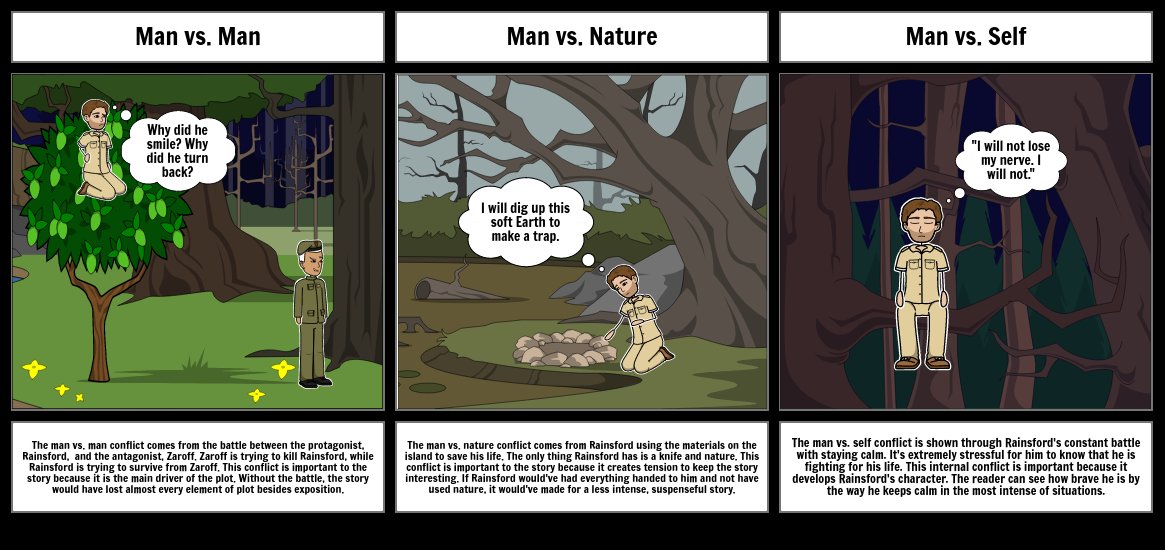
Man vs. Man: The Hunt Itself
The most obvious conflict is the physical duel between Rainsford and General Zaroff. Zaroff, a wealthy and bored hunter, has turned to hunting humans on his secluded island because he finds the pursuit of animals too easy. Rainsford, an experienced big-game hunter himself, becomes Zaroff’s unwilling prey. This creates a clear-cut antagonist-protagonist dynamic. The hunt is not a game of sport; it’s a desperate fight for survival. Rainsford must outwit Zaroff in a deadly game where the rules are twisted and the stakes are life and death.
- Zaroff’s advantage: He knows the island like the back of his hand, has set traps, and views humans as mere game.
- Rainsford’s challenge: He must use his hunting skills and his intelligence to survive the three-day hunt.
This basic conflict of “man vs. man” is amplified by the fact that both characters are hunters. They share a particular set of skills and understand each other’s mindset. However, their morals and sense of what is acceptable are vastly different. Rainsford’s understanding of hunting is within the bounds of what society deems normal, while Zaroff has crossed a line into outright barbarity. The chase through the jungle becomes a tense physical and mental battle, pushing Rainsford to his absolute limits.
Man vs. Nature: The Perils of the Island
Beyond the direct confrontation with Zaroff, Rainsford also grapples with the dangerous, untamed wilderness of Ship-Trap Island. The island itself acts as a character, posing constant threats and obstacles to Rainsford. The dense jungle, the treacherous terrain, and the unpredictable elements all contribute to the feeling of inescapable dread. The following elements contribute to man vs nature conflict:
- The Thick Jungle: The jungle’s dense foliage makes it difficult for Rainsford to move quickly or hide effectively. It provides both cover and a potential trap.
- The Bogs: The quicksand-like bogs on the island could swallow a person whole if they are not careful. Rainsford must be aware of his footing to prevent getting stuck and becoming an easy target.
- The Sea: The surrounding sea is dangerous to navigate and also isolates Rainsford on the island. This sense of isolation contributes to the feeling of danger.
The island’s environment not only challenges Rainsford’s physical abilities but also forces him to think creatively. He must use the resources available to him to outwit Zaroff and survive against the odds.
Man vs. Self: The Internal Struggle
Perhaps the most compelling conflict in “The Most Dangerous Game” is the internal battle Rainsford experiences. He begins the story as a confident and somewhat arrogant hunter, believing that animals exist solely for human sport. He initially lacks empathy for the creatures he hunts. However, after becoming the hunted, Rainsford’s perspective undergoes a dramatic shift. He’s now on the other side of the equation and it forces him to confront his own beliefs about hunting, life, and death.
The experience of being hunted pushes Rainsford to ask himself difficult questions. The story prompts the reader to consider:
- What does it mean to be civilized?
- What is the true value of life?
- What separates humans from animals?
He grapples with his own morality as he uses the skills he once used to kill animals to survive against a human being. The roles are reversed, and his inner understanding of right and wrong is tested. Rainsford’s internal struggle is not just about survival; it’s about his own humanity and the evolution of his perspectives. He goes from a hunter who is unconcerned with the hunted to a man who truly understands the fear and desperation of being hunted.
The Question of Morality
Zaroff, in many ways, represents the antithesis of civilized behavior. His actions raise many questions regarding ethics. The story explores whether the value of life depends on intellect or ability. Zaroff justifies his hunting of humans by arguing that they are the only game capable of giving him true challenge. This twisted logic highlights the dangers of rationalizing horrific acts.
Rainsford, on the other hand, represents the possibility of change and growth. He must decide how far he’s willing to go to stay alive. As he fights for his survival, he also wrestles with the moral implications of hunting and killing, whether it’s animal or human. His transformation suggests the possibility of empathy and that experience can change even deep-seated beliefs.
The Broader Conflict: Civilization vs. Savagery
The conflict in “The Most Dangerous Game” extends beyond the immediate hunt. It speaks to the broader struggle between civilization and savagery. Zaroff’s elaborate mansion, his fine clothing, and his sophisticated tastes mask a primal cruelty. This conflict isn’t only about the obvious barbarity of hunting humans, it’s about the thin line between seemingly cultured individuals and the primitive nature that lies beneath.
Here are some considerations regarding civilization vs. savagery:
- Zaroff’s facade: Zaroff projects an image of sophistication and refinement, yet he engages in the most barbaric of acts. This exposes the hypocrisy that can exist when a so-called civilized society allows itself to disregard fundamental morals.
- The island as a symbol: Ship-Trap Island, removed from the rules and structures of society, becomes a place where the darker instincts of human nature can thrive.
- Rainsford’s transformation: Rainsford’s journey forces him to question the fundamental assumptions of civilization and to understand his place within a brutal world.
The story suggests that true civilization requires more than just outward appearances. It requires a sense of empathy, a respect for life, and a commitment to moral principles.
The Psychological Conflict: Mind Games and Manipulation
The conflict between Rainsford and Zaroff extends beyond physical confrontation; it’s also a battle of wits and psychological manipulation. Zaroff, with his self-proclaimed intellect and understanding of human behavior, attempts to toy with Rainsford. He views the hunt as a game of strategy, adding another layer of complexity. Zaroff does not simply hunt his prey; he attempts to break them mentally, further emphasizing his cold and calculating nature.
Zaroff’s tactics include:
- Providing a ‘head start’: This seemingly gracious gesture is actually a means of psychological control. It provides Zaroff a feeling of superiority and prolongs the hunt.
- Imposing ‘rules’ : He establishes rules for the hunt (a three-day time period and the use of a hunting knife), again, giving him the sense of control and legitimacy over his brutal actions.
- Tracking and taunting: Zaroff’s approach is strategic and calculated, he doesn’t simply chase. He enjoys the process of tracking, allowing Rainsford to feel hunted, emphasizing the psychological fear element of the conflict.
Rainsford, on the other hand, must maintain a clear head. He must use his cunning and experience to predict Zaroff’s moves and strategies. This psychological struggle highlights the mental toll of being hunted, making the conflict even more complex and tense.
A Summary of the Conflicts
To summarize, the main conflict in “The Most Dangerous Game” is multifaceted and interconnected. It’s not just one struggle, but several working together:
| Conflict Type | Description | Example from the Story |
|---|---|---|
| Man vs. Man | The physical and strategic battle between Rainsford and Zaroff. | The chase through the jungle; the use of traps. |
| Man vs. Nature | Rainsford’s struggle against the harsh and dangerous environment of Ship-Trap Island. | Navigating the dense jungle; avoiding the bogs. |
| Man vs. Self | Rainsford’s internal struggle with his own beliefs and morals. | Questioning his ideas about hunting; the struggle to maintain humanity. |
| Civilization vs. Savagery | The clash between Zaroff’s outward sophistication and his inner brutality; the underlying tension between human nature. | Zaroff’s mansion versus his barbaric hunting practices. |
| Psychological Conflict | The mental and emotional struggle between the hunter and the hunted. | Zaroff’s calculated game of strategy; Rainsford’s efforts to keep mentally strong. |
These conflicts are not isolated but interconnected, each enriching the overall narrative and theme of the story. They make “The Most Dangerous Game” not just a thrilling adventure, but also a powerful commentary on human nature, morality, and the meaning of civilization.
Ultimately, the central conflict in “The Most Dangerous Game” is about the very definition of humanity itself. It compels us to confront the dark side of human nature and the importance of empathy. It reminds us that the line between hunter and hunted is not always as clear as we might believe and that sometimes, what we consider “civilized” is only a very thin veneer over savagery.
The Most Dangerous Game by Richard Connell (Summary and Review) – Minute Book Report
Final Thoughts
The central conflict in “The Most Dangerous Game” is man versus man. Rainsford, the hunted, must use his wits to survive Zaroff’s deadly game. The island is a dangerous place where survival is a must.
Zaroff views humans as his prey, highlighting a stark moral conflict. This clash between hunter and hunted is the core tension of the narrative, illustrating precisely what is the main conflict in the most dangerous game.

