
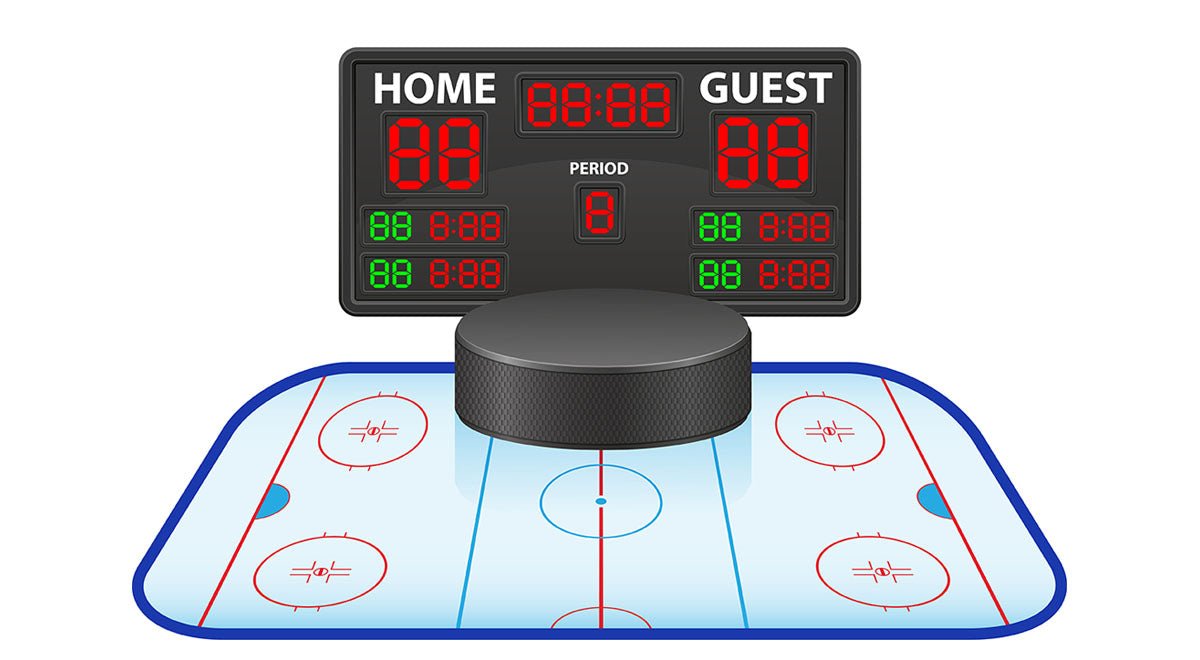
A standard hockey game is 60 minutes long, divided into three 20-minute periods.
Ever wondered about the duration of a fast-paced hockey match? It’s a common question, especially for those new to the sport or planning their evening around a game. Many ask, how long is the hockey game, and the answer can impact your schedule.
While the clock shows 60 minutes of play time, there are intermissions and potential overtime, which might extend the total time. These breaks between periods are important for the players to regroup and for viewers to enjoy the atmosphere.

How Long is a Hockey Game?
Ever wondered just how much time you need to set aside to watch a hockey game? It’s a common question, and the answer isn’t always as simple as saying “60 minutes.” While the clock does show 60 minutes of playing time, there’s much more to it than that. Let’s dive into the exciting world of hockey game timing and explore everything that impacts the overall length.
The Standard Game Structure
At its heart, a regular hockey game is divided into three main sections called periods. Each period lasts for 20 minutes, and these are called regulation periods. So, if you just added up those 20-minute periods, you’d get 60 minutes, right? Yes, that’s the total playing time, but there’s a good amount of other time that comes into play. These are the intermissions and time-outs, which add to the overall game length.
Intermissions: The Break Between Periods
Between each of the three periods, there are breaks known as intermissions. In professional leagues like the NHL, these intermissions usually last around 15-18 minutes. This is when the players take a break, go over their strategies, and get a quick pep talk from their coaches. It also allows time for the ice to get smoothed out and ready for more action.
- First Intermission: Follows the first period, usually around 15-18 minutes long.
- Second Intermission: Follows the second period, also usually around 15-18 minutes long.
These intermissions are important because they let players rest and get ready for the next period. They help ensure that players perform their best throughout the game, because a 20-minutes of intense play requires a proper break to recharge the players energy.
Time-Outs: Strategic Pauses
In addition to intermissions, each team gets a time-out during the game. These time-outs are typically 30 seconds long and provide a brief pause in play for coaches to communicate with their players and make adjustments to their game plans. Teams usually use time-outs at crucial moments in the game, especially towards the end when they need to change the momentum. Although these are short, they still add to the overall time of the game.
Factors That Extend Game Length
Beyond the standard time, many things can make a hockey game last longer than expected. These can add a little bit of time or a lot more.
Penalties: Sending Players to the Penalty Box
When a player breaks a rule, they are given a penalty and are sent to the penalty box for a set amount of time. This usually results in the penalized team playing with one less player on the ice, known as a power play. Penalties stop the clock because while a penalty is served, the clock stops. The amount of time a penalty takes off the clock can vary between 2 and 5 minutes, sometimes more. The number of penalties can add a lot of extra time to the total length of a game. A game with many penalties can feel much longer than a game with very few.
Minor Penalties:
Minor penalties usually result in a player spending two minutes in the penalty box.
Major Penalties:
Major penalties mean the player goes to the penalty box for 5 minutes, and can lead to a significant length extension of the game if there are more major penalties.
Misconduct Penalties:
Misconduct penalties means a player spends 10 minutes in the box. They don’t cause a power play, but still add to the overall game time, as the clock is paused when there is any misconduct penalty.
Injuries: Safety First
Player safety is the number one priority in hockey. If a player is injured during the game, the play is stopped, and medical staff will come on the ice to take care of the player. The time it takes to assess an injury can vary depending on the severity. This can add extra minutes to the overall length of the game, but these stoppages are always necessary to ensure player safety.
Video Reviews: Getting It Right
In professional hockey, officials can use video replays to check things like goals, penalties, and other on-ice happenings. This usually involves a short pause in the play, with officials reviewing a video and making the right decision. These reviews can take a few minutes, which can extend the time of the game, but this technology helps ensure fair game and correct calls by officials.
Overtime: When a Winner Must Emerge
If the game is tied at the end of regulation time, an extra period, known as overtime, is played to decide a winner. The rules of overtime can vary between leagues, but overtime generally adds more time to the game. This is because no time limit is predetermined, and the time is decided as soon as a team scores the first goal.
NHL Overtime Rules:
The NHL uses a 3-on-3 format in overtime, with one player less for each team on the ice. They play a 5 minutes sudden death overtime. If nobody scores, then it comes to a shootout. Which is decided by players from both teams going for one-on-one against the goalie, in order to decide the match. This can take many attempts, adding a lot to the game time.
Other Stoppages: Puck Out of Play and More
Many other small stoppages can add to the game’s length. Things like when the puck goes out of play, equipment issues, or a penalty will cause a pause in the play. Each of these may only add seconds to the clock, but throughout the course of a whole hockey game, they add up.
Average Total Game Time
So, with all these factors in mind, how long does a typical hockey game actually last? While the game clock shows 60 minutes of playing time, the average total game time, including intermissions and other stoppages, is usually between 2.5 and 3 hours. Of course, games with many penalties, injuries, or overtime can run even longer.
Here’s a quick look at what contributes to the total game time:
- Regulation Playing Time: 60 minutes (3 periods of 20 minutes each)
- Intermissions: Approximately 30-36 minutes (15-18 minutes x 2 intermissions)
- Penalties, Injuries, Reviews, Stoppages, Overtime: Can add 15-45 minutes (or more in unusual circumstances)
So, if you are planning to watch a hockey game, it is a good idea to keep a 2.5 to 3 hour window of time, which can even go above depending on the type of match you are watching.
Hockey Game Length Across Different Leagues
While the basic structure of a hockey game remains constant, the specific rules and their implementation can vary across different leagues. This means the game length may vary slightly depending on the specific league. Let’s compare some of the main variations, particularly between professional and youth hockey.
Professional Hockey (NHL)
Professional leagues like the NHL have established rules and strict procedures. The timings are generally the same for regular games, including intermissions and penalty times. Overtime rules in the NHL are very particular, where they use a 3-on-3 format and a sudden-death overtime for 5 minutes, and then go to a shootout, if needed. These specific rules can affect the overall game length. Games in the NHL are often shown live on TV and may have a slightly different timing pattern due to broadcast needs.
Minor Professional Hockey Leagues
In leagues such as the American Hockey League (AHL) or the ECHL, the game structure and rules are often similar to the NHL, with a focus on development. The key differences are usually in the level of competition and some minor game rules. However, the duration of gameplay, intermissions, and timeouts is relatively the same, similar to the NHL standards.
Youth Hockey
Youth hockey at different age levels often have varying period lengths to match the endurance of the young players. Games tend to be shorter in duration. Here is a short summary:
- Pee-Wee (11-12 years): Games often consist of three 12-15 minute periods.
- Bantam (13-14 years): Games are usually three 15-minute periods.
- Midget (15-18 years): The game lengths often increase to three 17-20 minute periods.
Intermissions might also be shorter than those seen in professional leagues. So, a youth hockey game will typically be shorter than an NHL game.
International Hockey
International tournaments, like the ones seen in the Olympics or World Championships, generally follow the rules and timing that’s used in the NHL. The major things are the same – 20-minute periods and intermissions, with overtime and shootout regulations similar to the NHL. Any small variations can be found in game-specific tournaments.
Understanding Game Clocks and Timing
To fully understand “how long is a hockey game,” it helps to know how the game clock works. The game clock does not function the same as your regular clock, and it stops and starts frequently.
Running Time vs. Stopped Time
In a standard hockey game, the game clock runs whenever there is action taking place on the ice. The game clock is stopped when play is paused, such as with a penalty, an injury, the puck going out of bounds, or even just a whistle that needs to be blown. Because of all these stoppages, the total time of the game is usually much longer than just the total running time of the three periods.
Game Clock in Different Situations
Let’s look at situations when the game clock changes:
- During Play: The clock is continuously running when the puck is in play.
- Penalties: Clock stops when a penalty occurs and resumes when play restarts.
- Intermissions: Clock is stopped when a period ends and resumes at the start of the next period.
- Injuries: Clock is stopped during an injury and restarts when play resumes.
- Video Review: Clock is stopped during the review and restarts when play resumes.
- Time-Outs: Clock is stopped during a time-out and restarts when play resumes.
This makes understanding the game clock very important, as it is key to knowing how much time is remaining and what the tempo of the game is, especially during intense moments like the final period. A running clock is always the focus of the players and the fans, because it defines the total length of a game and is a very important part of the game itself.
Why Does Hockey Time Appear to Fluctuate So Much?
You may be curious why some hockey games appear to fly by, while others seem to drag on forever. This isn’t a trick of time, but rather is due to several key factors, which affect the overall game length. Here’s a detailed look at why the length of a hockey game can seem to vary considerably:
The Number of Penalties
A game packed with penalties tends to feel longer due to the frequent stoppages. Each penalty stop causes the clock to halt while the penalty is being called, and it continues to be paused while the penalized player serves their time. The game slows down considerably, especially if there are multiple penalties within a short time frame. In contrast, a game with few penalties will have a much faster pace, because the clock isn’t stopped as often, and it will seem to go by more quickly.
The Intensity and Type of Play
The intensity of a game has a large impact on how it feels. A game with many breaks, due to stoppages, injuries or penalties can really disrupt the flow, and you will feel like the game is dragging on. If a game is fast-paced, with only a few stoppages, it creates a different experience. For example, games where teams are constantly attacking and there are many scoring chances will feel faster, while a tight, defensive match with lots of puck battles can make the game feel slow.
Team Strategies
The strategic approach of teams also influences how the time seems to pass. Some teams play a very aggressive style, leading to many offensive opportunities, while others use a more cautious approach, focusing on defense and controlled plays. Aggressive games can feel fast-paced, while a defensive match can slow the game, often due to the higher number of whistles and stoppages.
The Number of Injuries
Any injuries or long medical assessments that need to be done to a player will extend the game length. These stoppages are necessary for the health and safety of players. However, they do break the rhythm of the game, making it seem longer than a game with fewer injuries. The level of injury will dictate how long the game will pause.
Video Reviews
The use of video review to ensure that correct calls are made also has a big effect on time. These reviews are necessary to the integrity of the game, but they cause pauses that affect the flow of a game. Games with several reviews will feel longer than those with only a few or none.
The Use of Overtime
Overtime rules in the NHL, like the 3-on-3 sudden death format, have a significant effect on the length of the game. Overtime introduces more suspense and tension, since the game is decided by the first goal. It can also prolong the game if the teams trade penalties and scoring chances without a goal being scored. The use of a shootout, if overtime is not decisive, also adds to the game length.
In summary, hockey game length can fluctuate a lot, but this is not an illusion. It is due to many different elements of the game and the specific strategies used by the teams playing.
Understanding the various elements of time management in hockey enriches your experience as a viewer. Whether you’re a casual fan or a hardcore hockey enthusiast, knowing the nuances of game length helps you appreciate the flow of the sport and understand the strategic decisions that teams make. Now you know what to expect when you settle in to watch a hockey game.
How long is a hockey game?
Final Thoughts
A standard hockey game consists of three 20-minute periods. There are intermissions between each period. These breaks allow players to rest and coaches to strategize.
The game clock stops during stoppages in play. These include penalties, icing, and goals. This explains why actual game time exceeds the stated 60 minutes.
Ultimately, when you ask, “how long is the hockey game”, remember the official playing time is 60 minutes. However, with intermissions and stoppages, a game typically lasts around 2.5 to 3 hours.

