
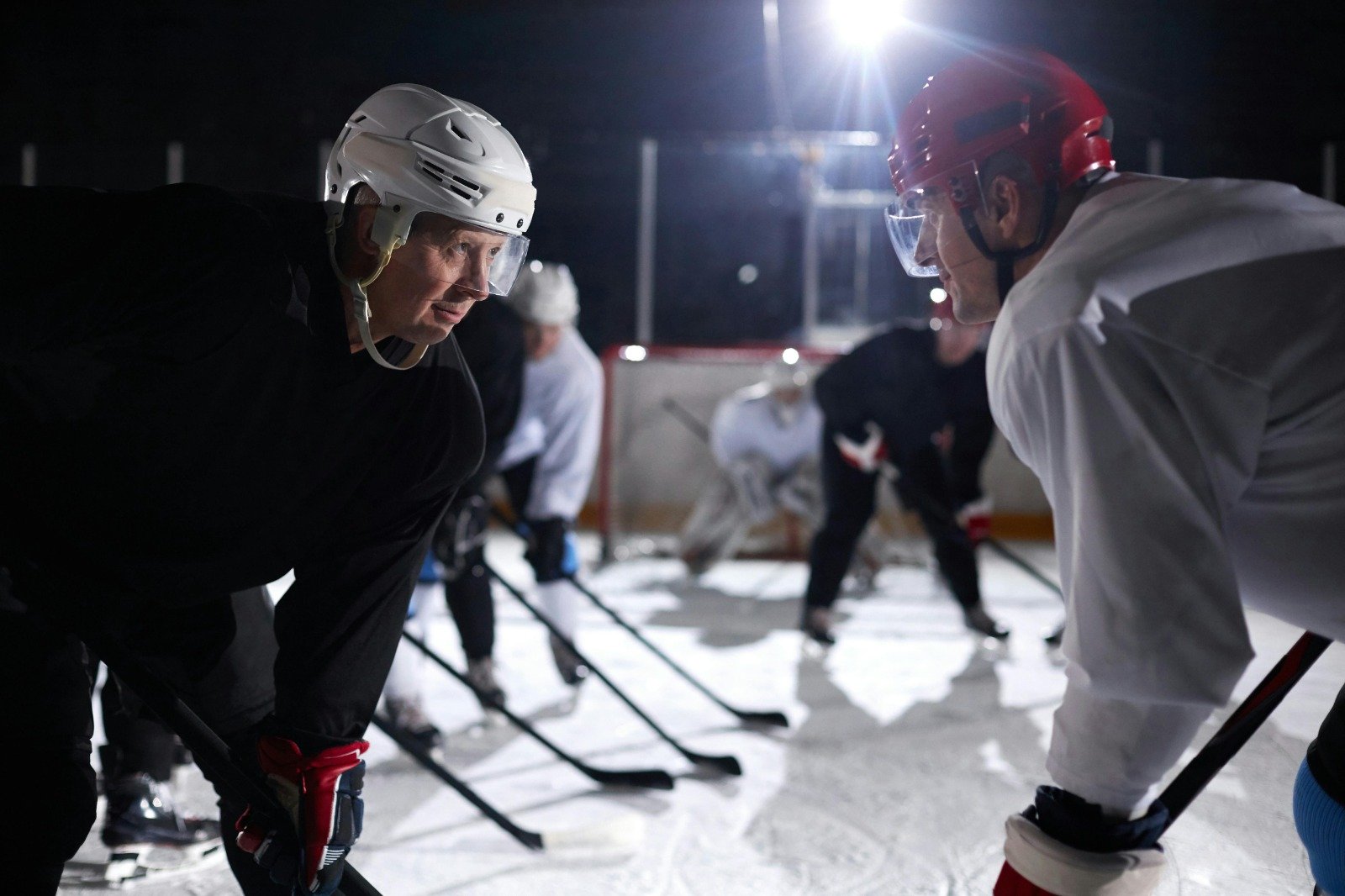
A standard hockey game typically lasts about 2.5 to 3 hours, including intermissions.
Ever wondered about the time commitment when settling in to watch some thrilling hockey action? It’s a common question, and many people often ask how long to hockey games usually last. Games aren’t just the 60 minutes you see on the clock.
The overall duration includes time between periods for players to rest and for the ice to get prepped. This means planning for a couple of hours at least if you are heading to a live game.

How Long Do Hockey Games Usually Last?
Okay, let’s talk about hockey! It’s a fast-paced, exciting game, but how long does it actually last? If you’re planning to go to a game or just curious about what to expect, it’s good to know the typical timeframe. The answer isn’t always as simple as a set number of minutes. There are a few things that can affect the total time. Let’s break it all down to get a clear picture of how long you’ll be watching players skate and shoot.
The Basics: Standard Game Length
The basic structure of a hockey game is pretty straightforward. A standard game is divided into three periods. Each of these periods is 20 minutes long. So, you might think, “That’s easy! 60 minutes!” But, hold on! There’s more to it than just the time on the clock. There are also intermissions between periods and stoppages in play. These factors extend the actual time spent at the arena or in front of the TV. When we say how long a hockey game usually lasts, we’re talking about the total time, not just the time the clock is running.
What Are Intermissions?
Intermissions are breaks between periods. They’re important! They give players a chance to rest, coaches to strategize, and fans to grab snacks or use the restrooms. Generally, intermissions last about 15 to 18 minutes in professional leagues like the NHL (National Hockey League). In junior or amateur leagues, these breaks might be shorter, usually around 10 to 15 minutes. These breaks make up a significant part of the total game time.
- NHL: 17 minute intermission.
- Junior/Amateur Hockey: 10-15 minute intermission.
The Importance of Stoppages in Play
The game clock doesn’t run constantly. When play stops—for example, when a player commits a penalty, a goal is scored, or the puck leaves the playing area—the clock stops. These stops add to the total duration of the game. These stoppages can add anywhere from a few seconds to a few minutes. Think about a goal celebration. It might only be 30 seconds, but when added up, those short breaks increase the overall time of a game. These short pauses, taken all together, have big influence on total game time.
Factors Affecting Game Length
Okay, we know the basics. But what else can make a hockey game go longer than the planned time? Several things can push the game beyond the standard 2 1/2 to 3 hours. Let’s explore some of these factors.
Penalties and Power Plays
When a player breaks a rule, they receive a penalty. This results in them being sent off the ice for a certain amount of time and their team has to play short handed. A power play begins when a team is on a penalty. More penalties usually result in more breaks and stoppage time. When a team has a power play it means that they have more players on the ice than the other team. Often, a power play means that the team playing with more players on the ice, is more likely to score. These power plays are like little games within a game, and they can make the game last longer. The time spent on penalties and power plays adds up. Referees need time to explain the penalty, and the game clock stops. A game with several penalties will take longer than a game with very few.
Overtime and Shootouts
Sometimes, after three periods, a game might be tied. If the game is tied, they need to decide a winner. So what do they do? They play overtime! Overtime is an extra period, and its length can vary by league. In the NHL, the regular season overtime is 5 minutes, but the NHL playoffs overtime is 20 minutes long. If no one scores during overtime, the game might go to a shootout! In a shootout, players take turns going one-on-one with the goalie and trying to score. This can add some exciting extra time to the game. How long overtime and shootouts take depends on how many times a player gets the opportunity to score.
Injury Stoppages
Injuries are an unfortunate part of any sport. If a player gets hurt during the game, play stops. The time it takes to help an injured player varies based on the severity of the injury. This can mean the game takes longer because the medical staff will need to tend to that player. Depending on the situation, this could be a very short stop in the play, or it could take a long time. These pauses aren’t just time-consuming; they also are necessary to ensure the safety of the athletes.
Video Reviews
With the technology we have now, game officials can use video replays to review game situations. For example, they can review a goal to determine if it actually went in. Or, the ref might review the replay to see if a player committed a penalty. When these reviews happen, the game clock stops and it increases the amount of time it takes to finish the game. Video review stoppages can vary in length, sometimes just a few minutes, but this does increase the total amount of time it takes to finish a game.
Other Factors That Can Influence Game Time
There are other less common reasons why games might go longer than usual. For instance, in cases of special events or ceremonies, there could be an added delay before the game begins, or during intermissions. Ice problems are also another issue. If the ice isn’t in good shape, there might be a pause while the crew fixes it. A fight can also result in a time delay, as the referees must give penalties and take time to sort it out.
Different Leagues, Different Lengths?
While a standard NHL game is a good example, not all hockey games are the same when it comes to time. Different leagues have slight differences in their rules and procedures. These differences can affect how long the game lasts. So, if you are watching a hockey game, it helps to understand what league you are watching.
NHL Game Length
The NHL is the top professional hockey league. A typical NHL game lasts about 2.5 to 3 hours. This includes the three 20-minute periods, the intermissions, and any stoppages in play. Of course, if there is overtime or a shootout, the game will take longer. Also, the NHL tends to be very strict about enforcing all the game rules, which means there may be more penalties and power plays, increasing game time.
College Hockey Length
College hockey is very popular. The games will also be broken up into three 20-minute periods. But these games might not run quite as long as an NHL game. Sometimes the intermissions can be slightly shorter, and the number of penalties can be different. College hockey is still very fast paced and exciting, and it’s great to see how the up and coming players compete.
Minor League Hockey Length
Minor leagues, like the AHL (American Hockey League), will also have three 20-minute periods, similar to the NHL. These games often run around the same duration as NHL games. The total game time will vary based on the number of stoppages of play, and it also depends on if there are overtimes or shootouts. But generally, the total game time is about 2.5 to 3 hours.
Youth Hockey Length
Youth hockey games vary a lot in length, depending on the age group and the league. Younger players typically have shorter game periods and shorter intermissions to account for their lower endurance levels. Games may last 1 to 2 hours long depending on the level of play. So keep that in mind when attending or watching a youth hockey game. It’s important to know if you need to prepare for a long time commitment, or a shorter one. The younger the players, the shorter the games.
Average Game Time Breakdown
So, what’s the typical breakdown of time in a hockey game? Here’s a general estimate:
- Three 20-Minute Periods: 60 minutes of game clock time.
- Two 15-18 Minute Intermissions: 30-36 minutes of break time.
- Stoppages in Play: Usually, between 20 and 40 minutes.
Putting all that together, the total game time comes to about 2.5 to 3 hours. Remember, if there are a lot of penalties, overtime, or injuries, it could take even longer.
Tips for Watching a Hockey Game
Now you know how long a hockey game can last! Here are some tips to make sure you have the best time when you watch a game:
- Arrive Early: Give yourself enough time to get to your seat, grab a snack, and maybe look around the arena.
- Stay Hydrated and Fed: Hockey games can be long! Make sure you have some water, and if you are hungry, grab a bite to eat.
- Dress Comfortably: Arena temperatures can vary. It’s good to dress in layers so you can adjust.
- Be Prepared for the Unexpected: Game times can change. Be ready for the game to possibly go longer than you expect.
So, how long do hockey games usually last? Well, the answer isn’t as simple as a single number. A typical game, from the opening faceoff to the final buzzer, usually takes about 2.5 to 3 hours. This includes 60 minutes of game time, intermissions, and stoppages. Factors like penalties, injuries, and overtime, can extend the game significantly. Whether it’s the NHL or youth hockey, it’s a dynamic sport that offers plenty of entertainment! Always check the schedule, grab a comfortable seat, and get ready for some hockey action!
How Long Is The Average Hockey Game? Best Game Length Guide
Final Thoughts
So, how long to hockey games usually last? Typically, a professional hockey game runs for about 2.5 to 3 hours, including intermissions. The official playing time is 60 minutes, split into three 20-minute periods.
However, stoppages for penalties, icing, and other events extend the overall duration of the game. These delays mean that ‘how long to hockey games usually last’ is subject to some variation based on the flow of the game.

