
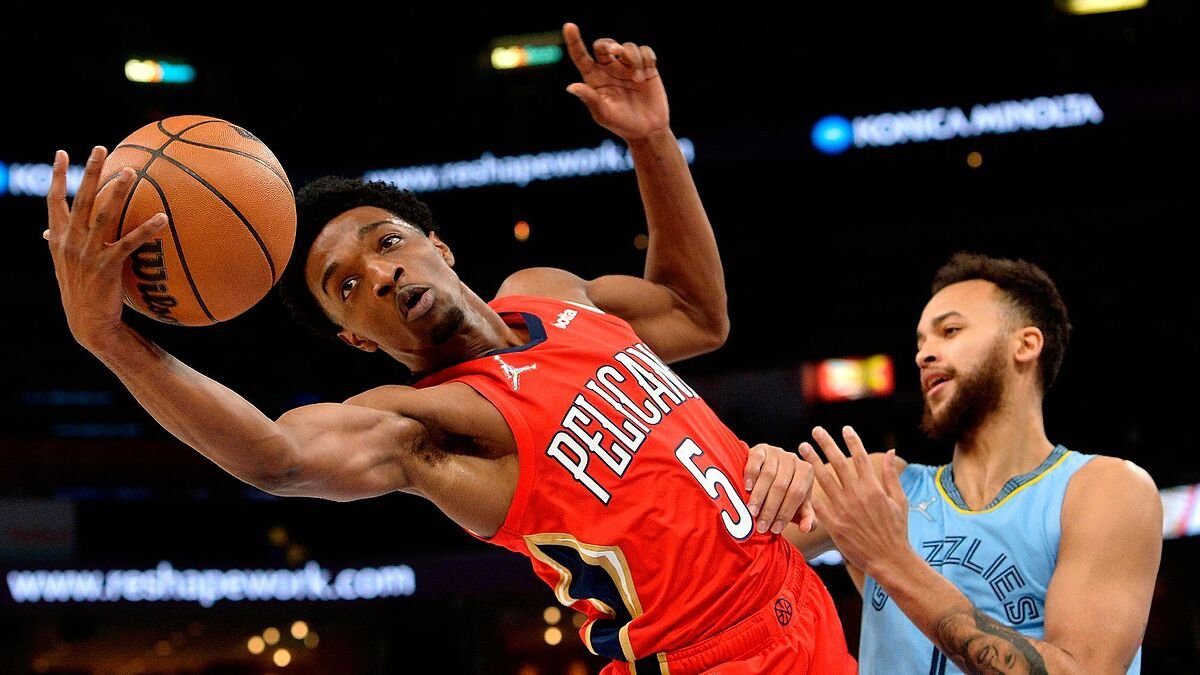
On average, NBA games last around 2 to 2.5 hours, though overtime can extend the game length.
Ever wondered about the time commitment involved in watching a basketball game? It’s a common question, especially if you’re planning an evening around a game. Many people often ask, “how long to nba games last?” so they can arrange their schedules properly.
The typical duration of an NBA game fluctuates slightly depending on the pace of play, and the number of time-outs. Factors such as frequent fouls or scoring runs can also extend or shorten the game duration.

How Long Do NBA Games Last? A Deep Dive
Have you ever settled in to watch an exciting basketball game, maybe with your favorite team playing, and wondered just how long you’ll be glued to the screen? It’s a fair question! NBA games, with their fast-paced action and nail-biting moments, can feel like they fly by. But, when you’re planning your evening, knowing the typical duration is super helpful. Let’s break down exactly how long to expect an NBA game to last, going through all the different parts that make up the total time. We’ll cover the standard playing time, timeouts, halftime, and even those pesky extra periods – overtime! So, whether you’re a basketball newbie or a seasoned fan, let’s explore the timing of NBA games together.
The Standard 48 Minutes: The Core of the Game
At its heart, a regular NBA game is made up of four quarters, each lasting 12 minutes. That gives us a total of 48 minutes of actual playing time. Think of it like four mini-games all linked together. This is where the players are actively running, dribbling, passing, and shooting. This standard 48-minute playing time forms the foundation for how long the game is supposed to last. But, as you might guess, the clock rarely stops at exactly 48 minutes. There’s so much more that adds to the overall duration.
Understanding Game Clock Mechanics
The game clock in basketball isn’t like a regular clock that just keeps ticking away. It has a mind of its own! The game clock stops frequently throughout the game for various reasons. Here are some key moments when the clock stops:
- Timeouts: When a coach calls a timeout, the clock stops. This lets the team regroup, make a plan, or catch their breath.
- Free Throws: Each time a player gets fouled and is awarded free throws, the clock stops. This gives them the time to shoot their shots.
- Out of Bounds: If the ball goes out of bounds, or if there is a jump ball, the clock stops while the ball gets put back into play.
- Fouls: When a foul is called, the clock stops while officials determine how to handle the situation.
- Quarter Breaks: The clock stops completely at the end of each quarter, allowing teams to switch sides and prepare for the next period.
- Injuries: If a player is injured during the game and needs attention, the clock stops until they are helped or taken care of.
These frequent stops are one of the big reasons an NBA game lasts longer than just 48 minutes. The game clock is frequently paused to manage all these various factors. All these pauses add up throughout the game.
Halftime: The Mid-Game Break
After two quarters of action, players and fans get a longer break: halftime! The official length of halftime in an NBA game is 15 minutes. This time allows players to rest, coaches to adjust their game plan, and fans to grab a snack or use the restroom. During halftime, the players often go to their locker rooms to get a break from the game. If you are at the game, you might see cheerleaders or halftime entertainment on the court, but the game clock is paused until the 15 minutes are up. When the break time is finished, the referees call players back onto the court and the third quarter starts.
Timeouts: Strategizing and Catching Breath
Timeouts are very important in NBA games. These short breaks allow coaches to speak with their players, draw up new plays, and even get their team a much-needed rest during the fast-paced action. Each team gets a certain number of timeouts per game. These are divided into full timeouts (usually about a minute) and 20-second timeouts (much shorter). These timeouts can be called by the coach or by the players on the court. Each timeout stops the clock which adds more time to the overall game. Timeouts are used throughout the game, particularly toward the end when strategic play becomes the most important.
How many timeouts are in an NBA game?
Typically, each team gets 7 timeouts per game. There are different types and different rules apply. Here’s a simple breakdown:
- Full Timeouts: Teams usually get 6 full timeouts per game, which last around 1 minute.
- 20-Second Timeouts: There are also one 20-second timeout per half. This is a shorter break, but the clock still stops, adding a small increment to the game’s overall duration.
Overtime: When Games Need More Time
Sometimes, even after four quarters of intense basketball, the score is still tied. This is when the excitement really goes up and overtime happens! When the game is tied at the end of the regulation (48 minutes), the teams play an extra period. NBA overtime periods are 5 minutes long. If the teams are still tied after the first overtime, they’ll keep playing more 5-minute periods until someone wins! There can be one overtime, two overtimes, or even more! Each additional period can add a good chunk of time to the total game length.
The Impact of Overtime on Game Duration
Think of it like this: Every extra 5-minute overtime period will add at least 10 to 15 minutes to the total time of the game because there are stoppages. The number of overtimes adds significant time to the games. A single overtime adds about 15 minutes, while double overtime might add around 30. This can make a game go longer than most fans expect. Imagine watching a close game and it goes to two overtimes. You could be watching basketball for well over three hours!
Factors Influencing Game Length
Several elements can make an NBA game longer or shorter than what you expect from watching a typical game. Let’s look at some of these factors.
Number of Fouls
The number of fouls called during the game has a major impact on the length of the game. When players commit a foul, the clock stops. Many fouls lead to many stops of the clock, and this will make the game longer overall. It’s common to see more fouls called in the final few minutes of a game because of strategic plays and intentional fouling.
Number of Timeouts Called
The number of timeouts called by the teams throughout the game affects how long the game takes. Every time a timeout is called, the clock stops. Even 20-second timeouts can add small increments to the total time. Games with more strategic timeouts towards the end of the game tend to run longer than those with fewer timeout calls.
Injuries
Injuries on the court add more time to the game. When a player is hurt and needs medical help, the clock is stopped. How long the clock stops depends on the severity of the injury. Sometimes a player needs just a minute or two to recover. Other times a player may need to leave the game entirely, causing a longer stoppage of play.
Free Throws
Free throws can also increase the length of the game. Every time a team is in the penalty, the opposing player that is fouled gets free throws. The clock stops while the player is shooting. If there are many free throw attempts in a game, the total game time will increase.
Reviewing plays
Sometimes the referees need to review a play. A review of a play can add extra time to the game. While reviews are important, they can add time and slow the game down.
Average Game Length: A Range to Consider
So, with all the various factors considered, how long does an average NBA game last? Well, most NBA games will last around 2 hours and 15 minutes to 2 hours and 30 minutes. Keep in mind that this is an average, some games can be shorter, and some can be significantly longer if there are many fouls, timeouts, or multiple overtimes. The average time is always fluctuating during each game, but this is a good estimate that fans can expect when watching a game.
Tracking Game Time: Helpful Tips
If you’re watching an NBA game live or on television, you’ll see a running clock at the top of the screen. This clock shows the current quarter and the remaining time left in that period. This clock only shows the amount of time left in the current quarter, not the overall time of the game, so if you want to know the estimated overall length, you’ll have to mentally keep track. If you need to keep an accurate game clock, you will have to keep track of the start time of the game and all the times the clock has stopped.
For the overall length, you can also keep track by using these simple tricks:
- Note the game’s start time.
- Add an hour for the first two quarters and halftime
- Add another hour for the second two quarters
- Add extra time for timeouts and potential overtimes.
Understanding how long NBA games last is a bit more complex than simply knowing the 48 minutes of playing time. The total game time is affected by several factors, including timeouts, halftime, fouls, free throws, and especially overtime. While most games will land within the 2 hours and 15 minutes to 2 hours and 30 minutes range, it’s always best to be ready for the unexpected, especially during the playoffs! So next time you settle down to watch a game, you’ll have a much better idea of how long it might take.
LAKERS at MAVERICKS | FULL GAME HIGHLIGHTS | January 7, 2025
Final Thoughts
An NBA game typically lasts around 2 to 2.5 hours. This includes four 12-minute quarters, plus timeouts, halftime, and other stoppages. Overtime periods, when needed, will add more time to a game.
So, when considering ‘how long to nba games last’, expect to dedicate a bit more than two hours for each match. Various factors, like close scores and player injuries, influence the final duration. Always check schedules for specific start times and factor in that games are rarely exactly on schedule.

