
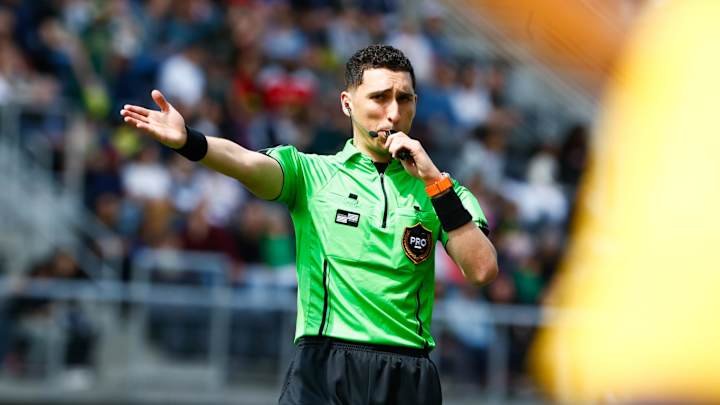
Soccer games typically last 90 minutes, plus any added stoppage time for injuries or other delays, which can vary.
Have you ever found yourself wondering how long to soccer games last? It’s a common question, especially for new fans. The clock seems to tick differently during those intense moments on the field.
Understanding the timing in soccer is crucial for enjoying the sport. The standard playing time is 90 minutes, but there are always a few extra minutes tacked on at the end of each half. This is the basic framework.

How Long Do Soccer Games Last?
So, you’re wondering how long a soccer game actually lasts? That’s a great question! It’s not always a simple answer, because it can depend on the age group playing and the specific rules of the game. Let’s dive in and explore all the different factors that determine the length of a soccer match. We will cover everything from the basic match durations to what happens during stoppages and extra time. Get ready to understand the time structure of soccer so you can enjoy the sport even more.
The Standard Match Length: 90 Minutes
For most professional and adult amateur soccer games, the standard length is 90 minutes. This is broken up into two 45-minute halves, with a break in between called halftime. It’s like two separate mini-games put together. Think of it like watching two different episodes of your favorite cartoon, but they’re both part of the same big story. This is the format you will most often see in famous tournaments like the World Cup, Champions League, and in major leagues around the world. This standard 90-minute game time provides enough time for players to showcase their skills, and for the excitement of the game to unfold. It also allows for a good balance of physical exertion and strategic play.
What Happens During Halftime?
During halftime, which typically lasts for around 15 minutes, players get a chance to rest, drink water, and discuss strategy with their coaches. It’s like a quick intermission in a play where everyone takes a breather. This short break allows them to regain some energy for the second half of the game. Fans can also use this time to grab snacks or visit the restroom without missing any game action. The halftime break is a crucial part of the game’s structure, allowing teams to regroup and adjust their tactics.
Youth Soccer Game Durations
When it comes to younger players, the game times are usually shorter. This is to match their physical abilities and attention spans. Nobody wants kids to get too tired, and we need to make sure they are having fun, not exhausted! The younger the kids, the shorter the game. Here are some typical game lengths for different age groups:
- Under 6 (U6): Usually around 40 minutes, often with four shorter periods or quarters of 10 minutes, sometimes 15 or even 20 minutes.
- Under 8 (U8): Typically 50 minutes, often split into two 25-minute halves.
- Under 10 (U10): Around 60 minutes, generally two 30-minute halves.
- Under 12 (U12): Typically 70 minutes, often two 35-minute halves.
- Under 14 (U14): Around 80 minutes, usually two 40-minute halves.
These times can vary slightly depending on the specific league or organization, but it gives you a good idea of how the game length increases as kids get older. The shorter game durations for younger players helps them to learn about soccer and its rules, and keep them active without overdoing it.
Understanding Stoppage Time (Added Time)
Okay, so you know the basic length of a soccer game. But what about when the clock seems to go past the 45 or 90 minute mark? This is where “stoppage time” or “added time” comes in. This is extra time the referee adds at the end of each half to account for things like:
- Player injuries: When a player is hurt and the game is stopped so they can receive medical treatment.
- Substitutions: When teams make player changes, it takes time to do this, so that time is added at the end.
- Time-wasting: Sometimes players or teams may try to waste time, and referees may add time for this.
- Goal celebrations: When a team scores, celebrations can sometimes make the match stop a few seconds, and time is added for this.
Referees carefully watch the game and determine how much extra time is needed. This isn’t an exact science, so sometimes the added time can be a few minutes, sometimes it can be 5, 6, 7, or even more minutes. It’s the referee’s judgment based on what happened during the match. Stoppage time makes sure we get a full, fair game even with breaks and pauses during the game.
The Role of Extra Time and Penalty Shootouts
Sometimes a match can end in a tie, especially in tournaments or important games. When this happens, there may be “extra time.” Extra time is usually two extra 15-minute halves. This is like a whole new mini game, just to see if a team can break the tie. But if the teams still can’t break the tie during extra time, then the game may go to a penalty shootout. During penalty kicks, each team takes turns kicking the ball at the goal from a designated spot. The team that scores more penalty kicks wins the game. It can be very exciting, especially when a big game is on the line.
When is Extra Time Used?
Extra time isn’t used in every soccer game. It’s usually only used in important matches where a winner needs to be decided. For example, tournament knockout stages and playoff games in a league will often use extra time to determine the winner. In regular league games, most of the time a draw may be acceptable, without extra time. Regular league games often end in a draw.
How do Penalty Shootouts Work?
The penalty shootout is a different way of settling a tie. It isn’t a part of the regular game play. Each team chooses players to take penalty kicks, usually five players to start. The teams take turns shooting at the goal. The team that scores more of their penalties wins the game. If the scores are still tied after 5 penalties each, then the shootout continues with each team taking one penalty at a time until one team is in the lead. This is a very dramatic and sometimes heart-breaking way to decide a game. It’s a high pressure, nerve-wracking situation for the players, but a very exciting spectacle for the spectators!
Variations in Game Length
While the standard game lengths are pretty common, there can be some variations. These variations may depend on the level of play, type of competition or the specific rules of the organization or tournament. Here are some examples of when you might see different game lengths:
- Indoor Soccer (Futsal): This version of soccer, played on a hard court indoors, often has shorter games, typically around 40 minutes or two 20 minute halves.
- Beach Soccer: This version, played on sand, can also have shorter game durations, often with three 12 minute periods, or 36 minutes total game time.
- Friendly Matches (Exhibition Games): Sometimes, when teams are playing exhibition matches, the coaches or organizers may change the game length. They may make it longer or shorter, based on the needs of the team and the situation.
- Specific Tournaments: Some specific tournaments may use different game length rules to make sure players can play multiple games in the same day.
These variations show that while soccer has core game length rules, the rules can change based on different situations and different needs. Understanding these variations helps you to better understand the soccer game. It keeps things fresh and exciting.
The Impact of Weather on Game Length
Did you know that weather can actually impact how long a soccer game lasts? Well it’s true. When there is heavy rain or even very hot weather, the referee may decide to have a water break. These breaks are usually 1 or 2 minutes long. These breaks help players stay safe and hydrated. Weather related delays can also happen in some extreme situations like snow, hail, lightning, etc. In these situations, the game may be temporarily stopped and the time is usually added at the end of the game, or some other time as deemed by the officials. If weather conditions are very severe, the game may even have to be canceled and moved to another day.
Keeping Track of Time During a Match
It’s important to know that the official time is kept by the referee, or by the fourth official, who is usually on the sidelines. They have the official time and also keep track of any added time. The clock on the scoreboard is helpful, but the final decision of game length and time is made by the referee or fourth official. They also use their judgment to decide on how much stoppage time to add to the end of each half, based on how long the game was stopped for different situations. Sometimes, you might see a clock on the scoreboard that stops with play, but the referee keeps the official time. This means, the referee’s clock may not be the exact same as the clock on the scoreboard. It’s also important to remember that the game doesn’t end until the referee blows the final whistle, even if it’s not exactly at the 45 or 90 minute mark!
So, now you know all about the different aspects that determine the length of a soccer game. From the basic game lengths, to the added time, extra time, penalty kicks, and all variations. Soccer is very exciting and understanding the game time rules is an important part of fully enjoying the beautiful game!
Here's how stoppage time works at the end of soccer games
Final Thoughts
To sum it up, a standard adult soccer match lasts 90 minutes, split into two 45-minute halves. There’s a halftime break of 15 minutes in between.
Extra time can occur if the match needs a winner. This adds two 15-minute periods. Added time, often called stoppage time, also happens at the end of each half. This compensates for play interruptions.
So, when people ask how long to soccer games last, the answer is usually around 2 hours including halftime. Knowing the basic timing helps fans anticipate the game’s flow.

