
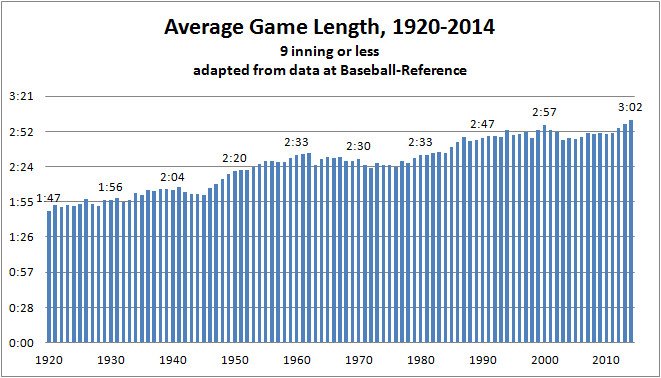
Baseball games in the 1920s typically lasted around 1 hour and 45 minutes to 2 hours on average.
Imagine stepping back into the roaring twenties, a time of flappers and jazz, but also, of course, baseball. Ever wondered how long were baseball games in the 1920s? The pace of play was quite different from today’s more lengthy matches.
Games moved at a quicker tempo, with fewer pitching changes and less time between pitches. The result? Fans often enjoyed a complete ball game in well under three hours.

How Long Were Baseball Games in the 1920s?
The crack of the bat, the roar of the crowd, the dusty base paths – these are the images that often come to mind when we think about baseball in the 1920s. It was a golden era, with legendary players like Babe Ruth and Lou Gehrig captivating audiences. But beyond the famous faces and exciting plays, there’s a question that often pops up: How long were those games, really? Were they the drawn-out affairs we sometimes see today, or did they move at a different pace? Let’s take a deep dive into the world of 1920s baseball and explore the factors that influenced the length of these iconic games. We will get into all aspects related to the game time of baseball in the 1920s, so buckle up and let’s go back in time!
The Pace of Play: A Different Era
Back in the 1920s, the game of baseball operated at a different speed than it does today. There were no pitch clocks ticking down, no extended mound visits, and far fewer commercials interrupting the flow. Players tended to get into the batter’s box quickly, pitchers worked at a quicker tempo, and there weren’t as many lengthy delays for replays or strategy discussions. This fast-paced nature of the game generally meant that contests finished faster than we would see now. This does not mean that they did not go long, it only means that they were faster in general compared to modern baseball games.
Key Factors Affecting Game Length
Several crucial elements affected how long a baseball game took during the roaring twenties. Let’s examine them closely:
Fewer Pitching Changes
In the 1920s, starting pitchers were workhorses. They were expected to pitch deep into the game, often completing the entire nine innings. This resulted in far fewer pitching changes, which, in turn, sped things up significantly. Think about it: every pitching change today adds several minutes to the clock. In the 1920s, relievers were used much less frequently, mainly in case of injuries or when the starter was struggling very badly. So, in the 1920s, it was a completely different world compared to today’s world of baseball.
A single pitcher would carry the burden and the length of the baseball game would be more defined by their pitching.
Faster Mound Visits
Managers and coaches didn’t trot out to the mound every few minutes to discuss strategy in the 1920s. The idea was that pitchers were there to work, and the manager trusted them to do their job. The fewer mound visits meant less time wasted, contributing to a faster pace of play. This might be difficult for some of the baseball fans to understand in the current era, as mound visits are a very common thing, but in the 1920s, this was an exception not a rule.
Also, there were not any coaching staff to come in and help out the pitcher for some quick words or advice, if a manager is busy, that would leave the pitcher to make decisions on his own on the mound.
The Absence of Replay Reviews
We all know the agonizing delays that happen when a close play is reviewed. Well, during the 1920s, there were no such delays. If the umpire made a call, it was generally the final call, like it or not. This contributed to the quick pace of the game. While there were some disagreements and arguments at times, that was not a regular thing. This also cut a lot of time that would be needed to discuss a certain play that can be reviewed again and again. So, no replay review was a big time saver in baseball of the 1920s.
Less Emphasis on Statistical Analysis
In the 1920s, the game was not as statistically driven as it is today. Managers went with their gut feelings and relied less on complex data to make in-game decisions. This meant that the flow of the game was not interrupted by constant analytics and strategic discussions in the dugout. This might sound a little absurd to the modern baseball fans, where statistics drive a lot of the decisions in the game of baseball, but in the 1920s, that was not the case. So, this again played a big part in reducing the game time.
There was not an emphasis on things like exit velocity, launch angle, spin rate and other things that are very common now in baseball. The game was more simple and straightforward.
Fewer Delays for Television
Television was not the big broadcasting behemoth that it is today. The game was focused primarily on the spectators in the stadium. There were not as many commercial breaks to accommodate the needs of television viewers. Games were played and they moved along without needing to stop for commercials. This means that the baseball games could go faster as compared to modern baseball, as they do not have the TV breaks.
Average Game Time in the 1920s
So, with all these differences, what was the typical length of a baseball game in the 1920s? It is tough to pinpoint an exact time down to the minute as record keeping wasn’t quite what it is now, but here are some estimates:
Average: Most baseball games in the 1920s lasted somewhere between 1 hour and 45 minutes to 2 hours and 15 minutes. While some could go a bit shorter, some could go longer, the above is the average game time in the 1920s.
Longer Games: Very few games stretched beyond 2 hours and 30 minutes unless they went into extra innings. As we know the average game time in modern baseball is more than 3 hours, 1920s is completely different in that context. This is why the 1920s were known for quick and fast paced baseball games.
Factors Affecting Duration: The length of each individual game was affected by various factors like the number of hits, walks, errors, and any unusual events that might have occurred in that particular game. Extra inning games were much longer and impacted the average time. If a game had a lot of scoring, that also extended the game time to some extent.
Comparison Table of 1920s and Modern Game Times
Let’s get a brief comparison table so that you can see the difference between 1920s and modern baseball game times.
| Aspect | 1920s Baseball | Modern Baseball |
| ———————- | ————————————— | ——————————————– |
| Average Game Length | 1 hour 45 minutes – 2 hours 15 minutes | 3 hours or more |
| Pitching Changes | Very Few | Many |
| Mound Visits | Limited | Frequent |
| Replay Reviews | None | Common |
| TV Commercials | Minimal | Numerous |
| Statistical Analysis | Low | High |
| Pace of Play | Fast | Slower |
This table summarizes well how different it is between baseball in 1920s and baseball in the modern era. As you can see how things have changed through the years, with some factors being very important.
Examples from the Era
While concrete records are scarce, newspaper reports from the era give us a sense of typical game lengths:
Short Game: Many newspaper reports from the time describe games concluding in under 2 hours. This shows that there were a lot of games that were shorter in length.
Average Game: A typical game would finish in the early evening if it had started in the late afternoon. There were not many games that would extend until late night.
Extra Innings: As mentioned, extra-inning games would run longer, sometimes pushing past the 3 hour mark. It was still rare to go very long on extra innings as the number of innings was not that much.
The Impact of the ‘Live Ball’ Era
The 1920s are also called the “live ball” era. This was a period in baseball where there were more home runs and offense. The game’s focus shifted a bit from being very strategic with more focus on power hitting. This resulted in more runs being scored, and could affect game time. It is hard to say that if there was any definitive increase or decrease in the game time due to this, but, it does have a general impact on the game. The live ball era created a faster game.
Why Does It Matter?
Why is it interesting to consider the length of baseball games in the 1920s? It’s more than just a curiosity:
Historical Perspective: It provides valuable insight into the way baseball was played and perceived in that era. Understanding the pace of play helps us understand the culture of baseball at the time. It helps in understanding the context of baseball in the 1920s, as the game time is completely different as compared to the modern version of the game.
Contrast to Modern Game: It shows the evolution of baseball, from a faster-paced game focused on the essentials to the more intricate and strategic game we see today. The modern game is very much different than the game in 1920s, so it is nice to see the changes that have come throughout the year in the game of baseball.
Appreciation: It gives us a deeper appreciation for the skill of the players from the 1920s, who excelled in a game that had different demands. While they did not have the facilities that modern baseball players do, the players from the 1920s were extremely skilled in their positions.
Pure Entertainment: Also, it is fun to look at history and see the changes that have occurred throughout the years. It makes the baseball very interesting to the fans as they are able to learn how it evolved from its inception to what it is today.
Baseball in the 1920s was a quicker, more straightforward game than what we are used to seeing today. The absence of frequent pitching changes, mound visits, replay reviews, and excessive TV breaks resulted in contests that typically finished in under two and a half hours. By knowing the average length of baseball games in the 1920s we can have a more in-depth look into this fascinating era of baseball history, showcasing the differences and developments in the national pastime. Understanding these differences helps us appreciate the unique characteristics of each era, making us better fans of the game.
What baseball cost in New York during the 1920s
Final Thoughts
Baseball games in the 1920s averaged around two hours, often slightly longer or shorter. The pace was quicker than modern games, with less time between pitches. This fast play helped keep the games relatively brief.
Factors like fewer pitching changes contributed to this shorter duration. It’s fascinating to note how long were baseball games in the 1920s, a stark contrast to the average time of games now. The game has certainly changed over time.

