
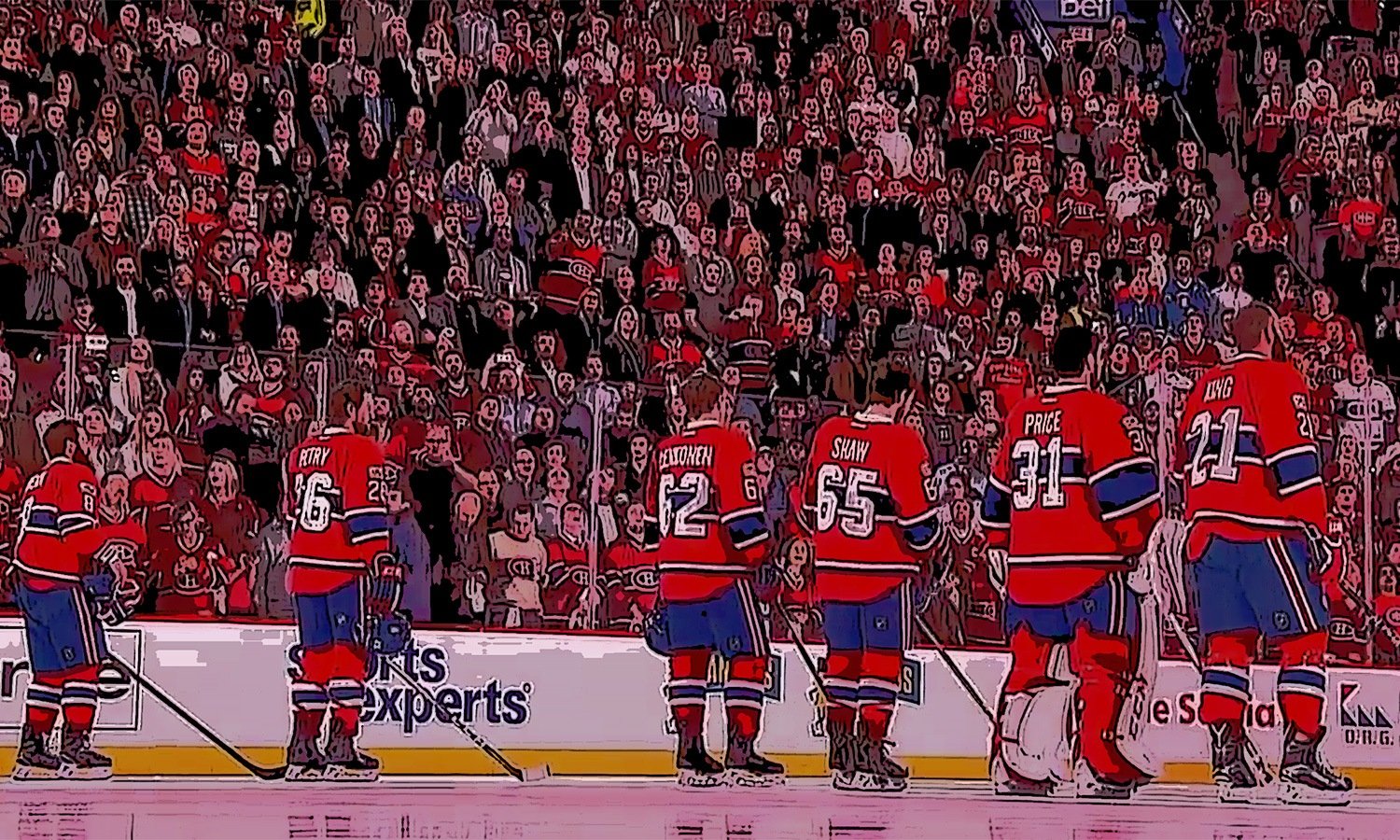
A standard hockey game lasts 60 minutes of playing time, divided into three 20-minute periods.
Ever wondered about the actual time commitment of watching a hockey match? It’s a common question, especially for newcomers to the sport. You might ask, how longdoes a hockey game last?
Figuring that out requires more than just looking at the clock. The 60 minutes refers to the active playing time. There are also breaks between periods and potential stoppages of play.
These added breaks extend the overall time quite a bit.

How Long Does a Hockey Game Last?
Okay, so you’re curious about how long a hockey game lasts? That’s a great question! It’s not as simple as saying “exactly one hour” or “two hours.” There are a few things that go into figuring out the total time of a hockey game. Let’s dive into the details, so you know what to expect when you settle in to watch some exciting hockey action.
The Basics: Regulation Time
The core of a hockey game is the “regulation time.” This is the planned playing time, and it’s divided into three equal periods. Each period is 20 minutes long. So, if you just look at the playing time itself, you’d think a game is only 60 minutes. However, that’s not the whole story! In ice hockey, the clock stops frequently. This means that the actual time the game takes is much longer than 60 minutes.
Breakdown of a Regulation Game
Here’s a quick look at what makes up a standard hockey game’s regulation time:
- Three periods: Each period is 20 minutes long.
- Intermissions: There are two intermissions, which are breaks between the periods.
Let’s dig deeper into each of these components to really understand the time it takes to play a hockey game.
Intermissions: The Breaks Between the Action
Between each of the three periods, there are breaks called intermissions. These intermissions are vital because they give the players a chance to rest and the ice crew a chance to resurface the ice, which ensures the playing surface is in good condition. Generally, intermissions are about 15-20 minutes long, but can sometimes be a little shorter or longer. This time is not part of the 60 minutes of game time, but they definitely add to the total length of the game. A standard hockey game has two intermissions, one after the first period and another after the second period.
Why Intermissions Are Important
You might wonder why these breaks are so important. Well, they serve a few key purposes:
- Player Rest: Hockey is very demanding. Players need these breaks to catch their breath and rehydrate.
- Ice Maintenance: Ice gets chewed up during a game, so the Zamboni machine comes out to make it smooth again. This is critical for the skaters to perform at their best.
- Fan Refreshments: It also allows time for fans to grab snacks or use the restroom.
The Stopped Clock: When Time Doesn’t Fly
In hockey, the game clock doesn’t keep running like a regular clock. The clock stops during particular times during the game. The primary reason the game clock stops during is for stoppages in play, like when there’s a penalty, an offside call, or if the puck goes out of bounds, or if the team calls for a time out. Each of these things can add a bit of time to the game’s overall length. These stoppages are very important because these allow for fair play and allow the game to flow correctly.
Common Stoppage Scenarios
Here are some of the most common reasons the clock is stopped during a hockey game:
- Penalties: When a player breaks a rule, the game stops, and a penalty is called.
- Offsides: If a player enters the offensive zone before the puck, the play is offside, and time stops.
- Icing: When a player shoots the puck from behind their own halfway line, the game stops, and icing is called.
- Puck Out of Play: The game stops when the puck leaves the play area.
- Goal Scoring: After a goal is scored, the clock stops momentarily while the referee verifies the goal.
- Time-Outs: Each team is allowed one time out during the game, which lasts around 30 seconds, but still adds to the time.
- Injuries: When a player gets injured and needs to be attended to by the trainers, the game clock will stop.
All these little stops accumulate during a game and can mean that an actual hockey game is not 60 minutes long, which will be longer than you thought.
Overtime: When the Game Goes Beyond
Sometimes, a game will be tied after the three regulation periods. In this situation, the game goes into overtime. The rules of overtime can vary depending on the league or tournament, but the purpose is always to determine a winner. If the score is tied at the end of regulation time, the game goes into a five-minute overtime period in the regular season. Usually, it’s a sudden death overtime where the first goal scored wins the game. But in playoff games, the overtime periods are much longer than 5 minutes, usually 20 minutes, and if there is no scoring in these overtime periods, more 20 minutes periods are played.
Overtime Rules
Here’s a general overview of typical overtime rules in different situations:
- Regular Season:
- Usually a 5-minute, sudden-death overtime.
- Usually played 3-on-3 or 4-on-4.
- If still tied after overtime, the game proceeds to a shootout.
- Playoffs:
- Usually consists of a 20 minute sudden-death overtime.
- The overtime period is a full 20 minute period.
- More overtime periods are played until one team scores a goal.
Overtime can add some time to the hockey game. If the game goes into sudden death, it may end quickly, but some games go into multiple overtime periods, which can greatly extend the game’s length.
Shootouts: Breaking the Tie
When a game is still tied after overtime in the regular season, a shootout takes place. In this unique event, players from each team take turns attempting penalty shots against the opposing goalie. Each team gets a set number of shooters, and the team with the most goals after the set number of shots wins the game. While the actual shootout part doesn’t take very long, it does add a little extra time to the overall duration of the hockey game. It is important to note that shootouts are only for regular-season games, in the playoffs, overtime periods are played until one team scores the goal.
How a Shootout Works
Here are the basic steps of a shootout:
- Each team picks a set number of shooters (usually three)
- Shooters take turns shooting against the opposing goalie
- If the score is still tied after the set number of shots, the shootout continues with other players until a winner is determined.
Shootouts are exciting and also add to the length of a hockey game but only in regular-season games. This extra time is added to the overall time you can expect a game to take.
The Total Time: Putting It All Together
So, with all of this in mind, how long does a hockey game actually last? Here is the estimated time:
- Regulation time: 60 minutes (3 periods of 20 minutes each)
- Intermissions: 2 breaks of 15-20 minutes each (total of 30-40 minutes)
- Stoppages: 20-40 minutes or even more depending upon many factors
- Overtime (if needed): 5-20 minutes or more
- Shootout (if needed in regular season): a few minutes
As a result, a typical hockey game, including all the breaks, stoppages, and possible overtime, will take about 2.5 to 3 hours to complete. Some games can even go longer, depending upon stoppages or multiple overtimes.
Factors Affecting Game Length
It is important to note that there are several things that can impact how long a hockey game goes on for.
Number of Penalties
When a lot of penalties occur, the game will take a longer time, because the clock is stopped every time there is a penalty, and the referee will give the penalty call.
Number of Stoppages
When the puck is out of play frequently or there are more offside calls, the game clock stops more often, which will add up to more overall time for the game. If there are not so many stoppages, then the game can go faster as well.
Number of Goals Scored
If a lot of goals are scored during a game, that means more goal celebrations, and the game clock is stopped after each goal, and all of this adds more time to the overall game length.
Multiple Overtime Periods
If a playoff game goes into more than one overtime, then you should expect the game to go way longer than what a usual hockey game does, and the game time can significantly increase.
Hockey Game Length: A Quick Reference Table
Here’s a quick table summarizing typical game length:
| Game Element | Typical Time | Notes |
|---|---|---|
| Regulation Time | 60 minutes | 3 periods of 20 minutes each |
| Intermissions | 30-40 minutes | Two breaks of 15-20 minutes each |
| Stoppages | 20-40+ minutes | Variable based on penalties, offsides, etc. |
| Overtime (Regular Season) | 0-5 minutes | Sudden death; possible shootout |
| Overtime (Playoffs) | 0-20+ minutes | Sudden death overtime periods |
| Shootout (Regular Season) | A few minutes | Only after overtime if needed |
| Total Game Length | 2.5 – 3 hours+ | Including intermissions, stoppages, and possible overtime |
So, next time you’re planning to watch a hockey game, you can keep these timelines in mind, and make appropriate plans. Whether it’s regular-season action or a thrilling playoff matchup, now you have a much better idea of the answer to that initial question: “How long does a hockey game last?”
Enjoy the excitement of hockey!
How long is a hockey game?
Final Thoughts
A standard hockey game features three 20-minute periods. Actual game time stretches due to stoppages. These include penalties, goals, and puck leaving the play area.
Overtime and shootouts affect the game duration. Overtime adds extra playing time if tied. Then, the shootout decides a winner when required.
So, how longdoes a hockey game last? The answer is that it varies. A game typically goes for about 2.5 hours. This time can fluctuate because of those factors, such as extra periods.

