
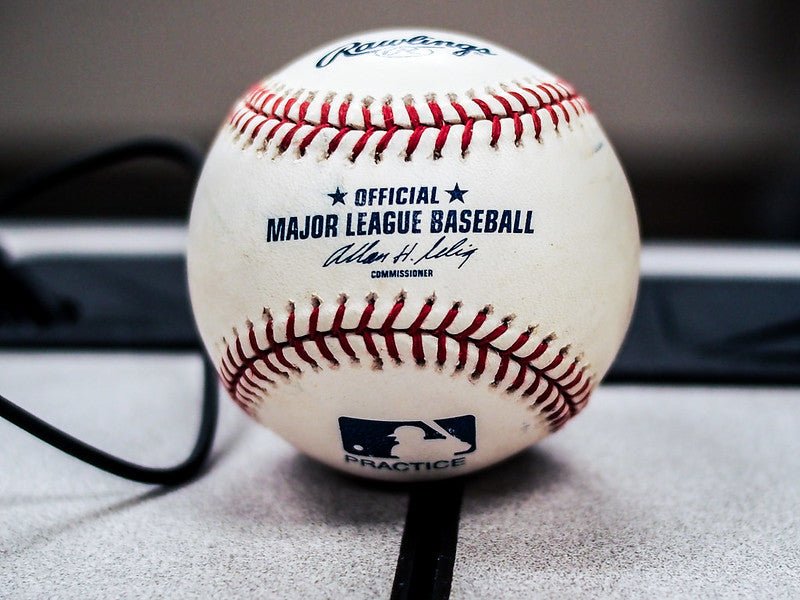
Approximately 120 baseballs are used in a typical major league game.
Ever wondered how many balls are used in a major league game? It’s a question many baseball fans ponder. These games aren’t just about the players; a significant number of baseballs also play a vital role.
Think about it: foul balls, home runs, and even balls scuffed by pitches. They all contribute to the total. It’s fascinating to consider the journey each one takes within just a few hours of play.

How Many Balls Are Used in a Major League Game?
Okay, let’s dive into the fascinating world of baseball and explore a question that might have popped into your mind: Just how many baseballs does a Major League Baseball (MLB) game actually use? The answer isn’t a simple one, like “ten” or “fifty.” It’s much more interesting than that! You might be surprised to learn that the number of baseballs used in a single game can be quite high, often going well beyond what you might imagine. This article will break down all the reasons why, giving you a full picture of the baseball consumption in a typical MLB game.
The Life of a Baseball in MLB
Before we get to the actual numbers, let’s think about what happens to a baseball during a game. A fresh, pristine baseball is placed into play and immediately begins its journey of potential damage and replacement.
Why Baseballs Get Removed
Several situations cause a baseball to be taken out of play:
Hit by a Batter: When a batter hits a baseball, especially a hard-hit ball, the ball can get scuffed, nicked, or even slightly deformed. Umpires keep a close eye on the condition of baseballs, and any sign of damage can lead to the ball being removed from play. Imagine a baseball colliding with a powerful bat – it’s not always pretty for the ball!
Fouled into the Stands: When a batter hits a ball foul, it often ends up in the stands. Fans love to catch those foul balls, and many of those balls never make it back into play. They become souvenirs of the day!
Dirt, Grass, and Grime: Baseball fields are, well, filled with dirt and grass. As a baseball rolls around on the field, it can pick up dirt, grass stains, and grime. This can affect its flight and the grip for pitchers, so a dirty ball is likely to be taken out of play. This is especially true after a play in the dirt around the infield.
Thrown into the Dugout or Bullpen: Sometimes, a player may throw a ball into the dugout after a play or a pitch for a number of reasons: perhaps frustration, or to give it to a teammate or just because it’s easier to quickly dispose of it there. These balls will not be reused.
Home Runs: When a batter hits a home run, it is common practice for the fan who catches the ball to keep it as a keepsake, meaning it’s one ball less in the game inventory. Although, some of these balls might be negotiated back to the player who hit the home run, so that ball might be put in a display instead of back into play.
Pitcher or Catcher Discarding: Sometimes, a pitcher or a catcher will simply discard a ball if they don’t feel comfortable with the grip, the feel, or perhaps it has a slight imperfection they notice that may not be readily visible to the naked eye. This is a more subtle reason a ball might be taken out of play, but it happens often.
The Process of Changing Baseballs
It’s not just a random process of grabbing a ball from a bag when one gets removed. There’s a bit of a system in place. Here is how it works:
Umpire’s Responsibility: The umpire has the main responsibility of deciding when to remove a ball from play, and keeping track of the new ones. The umpire is always keeping a watchful eye and will swap out a ball as soon as it gets dirty, scuffed, or as soon as a player request one to be changed for the reasons we mentioned above.
Ball Bags: Every umpire has bags of fresh, unused baseballs. You may even see some baseballs in the dugout, ready for when the umpires or coaches or players need new balls to be put into play.
Quick Exchange: When a ball is deemed unusable, the umpire will quickly exchange it for a new one, with minimal disruption to the game.
Estimating the Number of Baseballs Per Game
Given all of these reasons a ball might be pulled from play, how many baseballs are we actually talking about in a regular MLB game?
Factors Affecting Baseball Usage
Several elements can affect the number of baseballs used during a game:
Number of Hits and Fouls: The more balls hit into play, and the more foul balls, the higher the probability that there will be need for more balls to be introduced in the game. A game with lots of base hits and long at-bats will go through far more baseballs than a low-scoring pitching duel.
Number of Home Runs: As home runs usually end up as souvenirs for fans or the players, a game with multiple home runs would also need more baseballs to be introduced into play.
Pitching Style: Some pitchers have a unique way of gripping the baseball, which might cause some minor scuffs or slight deformities on the ball, leading to more ball changes.
Weather Conditions: Wet or muddy conditions can quickly soil baseballs, causing the umpires to replace them more frequently. Games played in rainy conditions are notorious for chewing through many more baseballs than those played on dry, sunny days.
Number of Pitchers: Games that require more pitchers tend to have a higher number of baseballs being used, simply because of more pitches being thrown.
Average Number of Baseballs Used
While it varies, baseball experts estimate that a typical MLB game uses about 120 baseballs. However, it is very common for a single game to use much less than that or significantly more than that. Some games may use as few as 70 baseballs, while some particularly active offensive games may use as many as 150 or even more.
Tracking the Use
Major League Baseball keeps a tight control on the use of baseballs. Not only is the number of balls tracked during a game, but this also means the pre and post game counts are maintained, to account for any baseballs that were not put into play or discarded due to different situations. This helps in maintaining the inventory and provides an accurate tracking of the number of balls being used. It also helps in identifying issues with supply of baseballs or any other issues.
The Baseball Itself
To understand why so many baseballs are used, it helps to know a bit about the baseball itself. It’s not just a simple ball. There are very specific specifications required by MLB.
Construction of a Baseball
The official MLB baseball is made of several layers:
The Core: The center is a rubber-coated cork or rubber material known as the “pill”.
Yarn: This core is wrapped tightly with three layers of wool and polyester yarn.
Leather Cover: The yarn-wrapped core is then covered with two pieces of white cowhide, stitched together with 108 red stitches.
Regulations: MLB baseballs are made to exact specifications, including a specific weight, size, and bounciness.
Why the Specific Design Matters
The specific design and materials of an MLB baseball are crucial for:
Performance: The layered construction gives the baseball its specific feel and rebound properties.
Consistency: Strict guidelines ensure that every baseball performs similarly, giving a fair playing field for all players.
Durability (or Lack Thereof): Although the baseball is crafted carefully, the construction does mean that the outer covering can be scuffed and damaged relatively easily. This is one of the main reasons they are replaced so often.
The Fate of Used Baseballs
So, what happens to all those baseballs that get removed from play? It would be a waste if they were just thrown away.
Not Always Discarded
Many of the balls removed from play in a MLB game are not necessarily discarded.
Batting Practice: Many slightly used balls are used for batting practice later. Although they might not be up to standard for use in an official MLB game, these baseballs are more than adequate for training and batting practice.
Minor League Use: Slightly used baseballs might be used in minor league games. They are still good quality baseballs, but just are not in ideal condition for MLB games.
Charity: MLB also donates many used balls to charities and community groups, and many are also given to youth leagues.
Souvenirs: Of course, some baseballs, especially home run balls, foul balls caught by fans, and others might end up as keepsakes for fans and players.
The Life Cycle of an MLB Baseball
Thinking about the journey of a baseball, from the factory floor to a Major League Baseball game, is quite remarkable. Each ball has a unique story. It will start brand new, it will experience powerful hits and throws, be impacted by dirt and grime, and sometimes it will end up as a keepsake for a baseball fan or a player.
The Cost of Baseballs
With so many baseballs being used in a season, the cost can add up.
Cost Per Baseball
An official MLB baseball is not cheap, typically costing around $15 or more. Keep in mind these baseballs are manufactured to very strict standards and require precise construction. The highest-quality materials are used, and the specifications are meticulously followed, which explains their higher cost.
Total Cost Per Game
If a typical game uses 120 baseballs at $15 each, that’s about $1,800 in baseballs per game. When you consider an MLB team plays 81 home games and another 81 away games, it results in very significant number of baseballs being used, with corresponding costs to the league and teams.
The Grand Total for a Season
The overall cost of baseballs for a full season across the entire MLB is in the millions of dollars. This is a significant expense that many people might not immediately realize. All the teams combined, over the course of the whole season, use more than a million baseballs.
The Importance of Quality
The attention to detail in MLB baseballs ensures the game is played fairly and consistently.
Fair Play
Having high-quality and standardized baseballs makes it possible for pitchers and hitters to show their skills with a minimum of variables involved, which ensures a fair game for everyone.
Consistency
Because every MLB ball has to meet strict standards, you know that every pitch and every hit is being made with the same playing conditions. Every ball will behave predictably, so players can rely on their skills to perform.
Impact on Game
The quality of the baseball affects both the pitcher’s ability to control the ball and the batter’s ability to hit the ball. If the baseballs were of low quality or inconsistent, the game would look very different.
The number of baseballs used in a single MLB game isn’t fixed, but it’s certainly not a low number. Every game relies on several balls, often upwards of 100, to keep the action going and ensure the game’s integrity and fairness. These baseballs are meticulously designed for performance and consistency, and once they are put into play they often go through a variety of situations that result in them being discarded. Although they are sometimes reused, many of the baseballs eventually end up in the hands of fans as souvenirs or used by different organizations and charities. It’s all part of the unique story of a baseball in an MLB game. The next time you watch a baseball game, think about all the baseballs making their appearance, and all the stories behind them!
How Many Baseballs in MLB Game?
Final Thoughts
Typically, a major league baseball game uses around 120 baseballs. This number fluctuates depending on factors like foul balls, home runs, and balls thrown into the stands. Umpires regularly introduce new, pristine baseballs into play during a game.
The frequent ball changes ensure optimal playing conditions for players. Therefore, considering the constant need for new baseballs, it is clear how many balls are used in a major league game. This high number of baseballs helps maintain the game’s integrity.

