
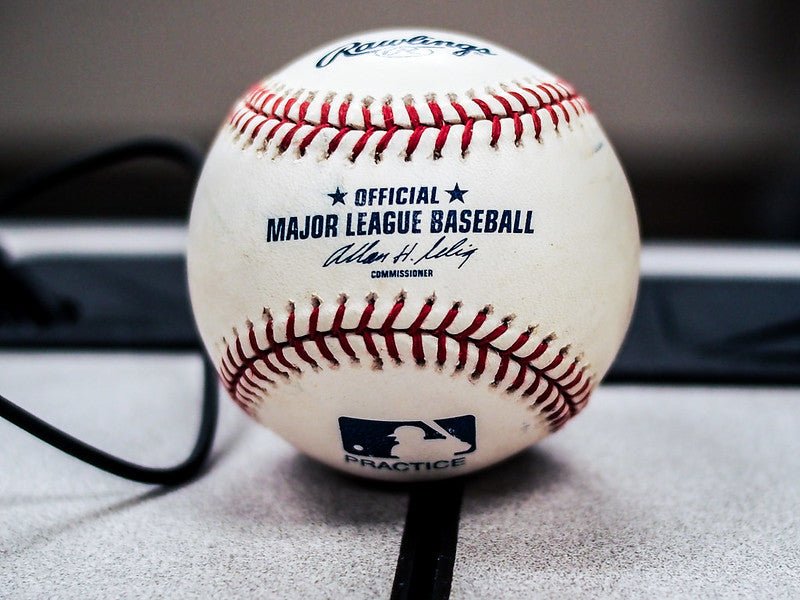
Approximately 120 baseballs are used in a typical MLB game.
Ever wondered about the sheer volume of equipment consumed during a Major League Baseball game? It’s a spectacle of athleticism, but also one of constant material usage. The question, “how many baseball are used in a mlb game?” often comes up, revealing a surprising number.
The rapid pace of the game, combined with foul balls, hits, and other instances of wear and tear, means baseballs get replaced very often. This constant turnover is a key part of maintaining the game’s integrity.

How Many Baseballs Are Used in an MLB Game?
Have you ever watched a Major League Baseball (MLB) game and wondered how many baseballs they go through? It’s a lot more than you might think! It’s not like they just use one ball and carefully retrieve it after each hit. The reality is, baseballs are constantly flying into the stands, getting scuffed, or being taken out of play for various reasons. Let’s dive into the fascinating world of baseball usage during an MLB game and explore why they use so many.
The Average Number of Baseballs Used
On average, an MLB game uses around 120 baseballs. That’s right, 120! Sometimes it might be a little less, and sometimes it can be quite a bit more, but 120 is a good number to keep in mind. This might seem like a huge amount, but when you think about all the different situations during a game, it begins to make sense. Each baseball only remains in play for a very short period. Several factors contribute to this high number. Let’s take a look at some of them.
Why So Many Baseballs?
Several factors contribute to the high number of baseballs used in a typical MLB game. It’s not just about hits and home runs, there are several other reason why baseballs are frequently removed from play. Let’s break these down:
Fouls Balls and Home Runs
The most obvious reason for the high consumption of baseballs are foul balls and home runs. When a batter hits a foul ball, especially into the stands, it’s out of play and gets replaced. The same is true for home runs; they often go into the crowd, making them unavailable to use again. These are very common in every baseball game and quickly add to the total number.
Damage and Scuffing
Baseballs don’t stay perfect for long. The impact of bats, contact with gloves, and contact with the ground can cause damage such as scuffs, abrasions, or even small tears. Umpires and trainers are constantly looking at the ball for any damage. Once a baseball is scuffed up, it can affect the way it moves and it is taken out of play. A baseball that’s not in good condition cannot be used as it can affect the game’s fairness.
Pitcher Preference
Pitchers are very particular about their baseballs. They might request a new ball if the existing one doesn’t feel right or has too much or too little grip. Some pitchers prefer a brand new, untouched baseball. This can easily add to the total number of baseballs used in a game. It is all about the feel of the ball in the pitcher’s hand, so they can throw their best.
The “Rubbing Mud” Process
Before they are used in a game, every baseball undergoes a process called “rubbing mud.” This mud is from a specific location and helps pitchers get a better grip on the ball. This process can sometimes slightly change the baseballs condition or appearance, and a baseball that’s rubbed to much or not enough may be removed from play. This process prepares the baseballs for game use. A mud-free baseball is too slippery for pitchers to throw safely and effectively.
Balls in the Dugout
Sometimes baseballs end up in the dugout, often accidentally or when they are thrown back after being used. It is possible that a baseball in the dugout may come in contact with water, debris, or other things that may make it unfit for use in a game.
General Wear and Tear
Even when not hit hard, baseballs experience general wear and tear throughout a game. The constant handling, throws, and catches can cause the ball to loosen or change slightly, making it less suitable for professional play. These subtle changes make the ball unsuitable for continued use. Every baseball is closely watched, and if it shows signs of wear, it’s removed.
The Life Cycle of a Baseball in an MLB Game
The journey of a baseball in an MLB game is quite short and interesting. Here is how it generally goes:
- Preparation: Brand new baseballs are taken from storage, and each baseball is rubbed with Lena Blackburne’s Baseball Rubbing Mud to give the ball a better grip.
- Game Start: The umpire hands the pitcher a brand new, mudded baseball.
- Play: The ball is pitched, hit, or thrown, and goes into play.
- Removal: The ball may be removed for a variety of reasons including, being hit foul, or hit into the stands, being scuffed, having lost its smoothness, or based on pitcher request.
- Out of Play: After being removed, the baseball is no longer used in the game.
Where Do All the Used Baseballs Go?
Once a baseball has been removed from play, it does not just get thrown in the trash. Some are saved as memorabilia and other used baseballs are reutilized. Here are some of the places they might end up:
- Official Memorabilia: Some baseballs that are hit for special occasions (such as home run balls) are collected by MLB and become official collectibles.
- Team Memorabilia: Team members and teams themselves may collect baseballs used during significant games.
- Fan Souvenirs: Sometimes, fans catch foul balls or home run balls, and they get to keep them as souvenirs.
- Practice Use: Some of the baseballs that are still in good enough condition can be used for team practice.
- Charities: Sometimes the used baseballs are donated to youth baseball leagues and other charities.
How Many Baseballs Does Each Team Use?
Both teams use about the same amount of baseballs each game, the amount used is solely based on how long the game goes and other factors. Whether it’s a home game or an away game, the number of baseballs used doesn’t really vary by team. The factors mentioned previously are what determines the amount of baseballs used.
Comparing Different Game Lengths
Naturally, a longer game will use more baseballs than a shorter one. Extra innings, for example, will increase the number of baseballs used. A game that has a lot of hits, fouls, or home runs will also tend to use more baseballs. If you watch a game that moves quickly with lots of outs, fewer baseballs will be used. In short, a more active game means more baseballs are put into play. The longer the game goes, the more baseballs will be used.
The Cost of All Those Baseballs
Given that a single baseball costs around $6 to $7, we can see how that might be a big expense for baseball teams. A single game can cost teams anywhere from $720 to $840 in baseballs. When you take into account the entire season, this number easily adds up. Even the smallest change in the cost of baseballs can quickly impact a team’s finances. The amount of baseballs required in a single MLB season is also costly and adds to the overall cost of the baseball league.
The Importance of Quality Control
Since so many baseballs are used, MLB has strict standards for quality control. Before games, officials closely inspect the balls to make sure that they are the correct size, weight, and texture. They must be within the official MLB specifications to be used in the game. The umpires and game officials are the ones that check the balls. The MLB works with the company that makes the baseballs to ensure that there is no difference from one ball to the next. This quality control ensures that every player plays with equipment that is safe and performs correctly.
Baseballs and Technology
In modern baseball, technology is playing an increasingly important role in game analysis. Statcast and other technologies can analyze a baseball’s movement, spin rate, and speed. These technologies can help coaches and players understand the game better. They use this information to help refine pitches, and the technology helps batters understand how to perform better. While technology plays an ever more important part in the game, the physical baseball remains a constant, and so does the need for a lot of them.
The Umpire’s Role With Baseballs
Umpires have a very important role in managing the baseballs used during a game. They are the ones who determine if a ball is too scuffed or damaged, and make sure a new baseball is put into play. Umpires and the people they work with handle a large amount of baseballs. Umpires must also follow the rules of the game and make sure that every ball is within specifications. They need to watch every baseball to make sure that a damaged ball isn’t used in the game. Umpire make sure that the game is played fairly.
Fun Facts About MLB Baseballs
- Each MLB baseball has 108 double stitches.
- The core of a baseball is made of cork wrapped in rubber.
- MLB baseballs are made in Costa Rica.
- The MLB logo on each baseball is hand stamped.
So, the next time you watch a baseball game, remember the incredible number of baseballs that are used during the game. Each one plays a small but important role in the game. Each one is closely watched, thrown, hit, and then either taken out of play or makes a special memory. The next time you watch a baseball game, take a moment to appreciate all the baseballs that are used and the small story behind each one.
How Zack Hample Snagged 11,000 MLB Baseballs 👀 ($100,000+ Collection!)
Final Thoughts
Approximately 120 baseballs see action in a typical MLB game. Fouls, hits, and pitcher changes contribute to this high number. Umpires regularly remove balls from play.
The frequent replacement of baseballs maintains optimal playing conditions. Therefore, ‘how many baseball are used in a MLB game’ always results in a significant amount. This ensures a consistent experience.

