
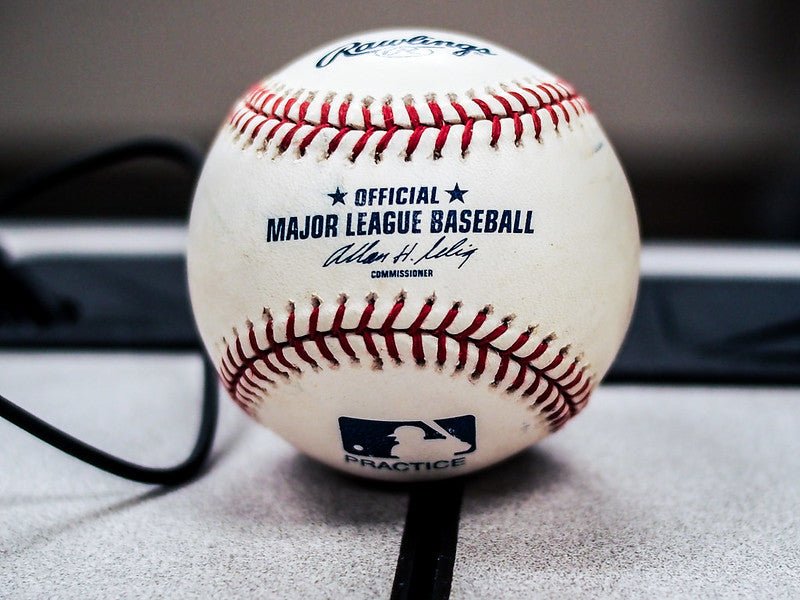
Approximately 100 to 120 baseballs are used in one game.
Ever wondered how many baseballs vanish during a single baseball game? It might seem like just a few fly into the stands, but the actual number is surprisingly high. The constant action on the field means baseballs get scuffed, dirtied, or even hit out of play. This often leads to them being taken out of circulation.
So, how many baseballs are used in one game, really? It’s a question that might cross the minds of casual fans and seasoned spectators alike. The reasons vary from condition to specific rules of the game, but it does involve much more than one might expect!

How Many Baseballs Are Used in One Game?
Ever watched a baseball game and wondered where all those baseballs go? It seems like they’re constantly changing them out! Well, you’re right to wonder because a lot of baseballs get used during a single game. It’s more than you might think, and there are good reasons why they go through so many. Let’s dive into the exciting world of baseballs and find out just how many see action in a typical game.
The Main Reasons for Baseball Changes
Before we talk about the numbers, let’s discuss why baseballs get swapped out so often. It’s not just because the players like to keep new ones! There are specific, important reasons for the regular ball changes:
- Damage from Contact: When a batter hits the ball, it takes a real beating. High speed impacts from bats can cause the ball to become scuffed, nicked, or even slightly misshapen. These slight changes can affect how the ball travels in the air and make it hard for the pitchers to control. Imagine trying to throw a frisbee that isn’t perfectly round – that’s what a pitcher has to deal with with a damaged baseball.
- Dirt and Debris: Think about all the dirt on the field. Every time a ball hits the ground, it picks up some of that grime. This can make the ball harder to grip for the pitcher, which can affect their throws. It also makes the ball look dirty and less easy to see for the batter.
- Moisture: Rain, sweat, or even just a humid day can affect how the baseball feels. A wet or moist ball is slippery, making it tough for both the pitcher to control their throws and for the batter to make good contact.
- Safety: To ensure player safety, umpires will pull balls from play if they get too beat up or are discolored. A damaged ball is more likely to behave unexpectedly and could lead to injury.
Estimating the Number: It’s a Lot!
So, how many baseballs are we talking about? It’s not an exact science, but experts estimate that a single Major League Baseball (MLB) game uses around 120 baseballs. Yes, that’s right, 120! Now, this number can fluctuate a bit. Some games might use fewer, and others might use more, depending on a few things that we will get into later.
Factors Affecting the Number of Baseballs Used
The 120-ball estimate is an average. Several factors can cause the number of baseballs used to go up or down during a game. Understanding these factors helps you appreciate the dynamics of baseball even more:
The Pitcher’s Style
Some pitchers are known for throwing breaking balls – curves, sliders, and the like. These pitches tend to put more wear and tear on the ball because of the way they are gripped and thrown. If you have a starting pitcher known for throwing lots of breaking balls, expect more ball changes.
The Hitting
A game with a lot of hard-hit balls, especially foul balls, uses up more baseballs. Every time a batter makes contact, especially on the barrel of the bat, it can affect the ball. When a lot of batters are connecting with the ball, the baseballs are changing faster.
Weather Conditions
As we touched on earlier, rain can impact the game. Wet conditions cause the ball to become slippery, and the umpires will change them out more frequently. Even a very humid day will cause the baseballs to soak up moisture.
The Length of the Game
Extra-inning games mean more at-bats, more pitches, and therefore, more baseballs. The longer the game goes, the more they will go through. The standard game is nine innings, but they go longer during the playoffs.
Foul Balls
Foul balls often end up in the stands or on the roof. Because of this, they’re often not recovered and can’t be used again in the game. The more foul balls, the more baseballs they’ll need.
The Life Cycle of a Baseball During a Game
Let’s follow a baseball through its journey during a game. Here’s what might happen:
- Fresh Out of the Box: Before the game starts, a fresh batch of baseballs gets prepared. These balls are new, clean, and ready for action.
- The Pitch: The pitcher throws the ball towards the batter. This is where the ball’s journey begins.
- Contact (or No Contact): The batter either hits the ball, or they don’t. If it’s a hit, the ball flies out into the field. If it’s a swing and a miss, the ball is back to the pitcher.
- Fielding: A fielder may catch the ball, or it may roll on the ground. The ball now has dirt and grime on it.
- Inspection: The umpire keeps an eye on the ball. They look for any damage, dirt, or wetness. If the ball has any of these issues, it gets pulled out of the game.
- Back to the Dugout (or the Stands): The used ball either goes back to the dugout or, if it’s a foul ball, lands in the stands.
- The Cycle Repeats: A new ball is thrown out, and the cycle begins again.
Where Do the Used Baseballs Go?
So, what happens to all those used baseballs? They don’t just get thrown away. Most teams collect the used balls, and they’re used for practices, batting practice, and sometimes are even donated to youth leagues or charity events. Some fans love collecting balls and these often end up as treasured souvenirs.
The Unique Characteristics of a Baseball
Now, let’s consider what makes a baseball, a baseball. It’s not just any old ball. It’s a precisely made object designed for the game:
The Core
At the center of a baseball is a cork sphere. This is wrapped with layers of rubber. This is the part of the ball that gives it bounce.
The Yarn
Yarn is tightly wound around the core, adding to the ball’s hardness and weight. There are different layers of yarn for the right feel.
The Leather Cover
The outer layer is two pieces of cowhide leather that are hand-stitched together with red cotton thread. The stitches are a very important part of the ball. It helps the pitcher to be able to grip the baseball.
The Weight and Size
A regulation baseball must be a specific size and weight. They have to be between 5 and 5 1/4 ounces and have a diameter of 2.86 to 2.94 inches.
Umpires: The Gatekeepers of the Baseball
We’ve talked a lot about how baseballs are used and changed. Umpires play a crucial role here. They are the ones responsible for determining if a ball is still in good condition for play. Their decisions ensure fair play and also keep the players safe.
- Constant Monitoring: Umpires keep a watchful eye on the baseballs throughout the game. They look for any marks, scuffs, or damage on the ball.
- Change of Balls: When the umpire feels a ball is not fit for use, they immediately replace it with a new ball. They keep a stock of new baseballs ready to go for the entire game.
- Safety First: The umpire’s role is critical for player safety. By changing out damaged or wet baseballs, they reduce the risk of unusual bounces or a ball that’s too difficult for the players to handle.
Baseballs in Other Leagues
While we’ve focused on MLB games, it’s interesting to think about how baseball use might differ in other leagues:
- Minor Leagues: Minor league games also use a lot of baseballs, although probably not quite as many as the MLB. The reasons are the same for the changes; wear, dirt, and moisture are all important factors.
- Little League: Little League games tend to use fewer baseballs, mainly because the games are usually shorter. However, the same standards for a good and safe baseball are in place for all levels.
- Amateur Leagues: Amateur leagues might have more varied patterns for using baseballs. Some leagues may not have the resources to change balls as frequently.
The Economic Side of Baseballs
Think about all those baseballs! They aren’t cheap. The cost of all the baseballs needed for a whole season adds up to quite a large sum. These costs include the production of the baseballs, as well as the costs for transporting them to the stadiums.
- Cost Per Ball: A single official MLB baseball can cost several dollars. Considering that many baseballs are used at each game, it’s an expensive element of baseball.
- League Expenditures: For all the teams in the MLB, the cost of all those baseballs goes into the millions of dollars each season. It’s an important expense for every team.
- Impact of Changes: When teams have to change the balls more, it also impacts the costs for the season. These are all part of the expenses involved in running a professional baseball league.
The Importance of the Baseball
The baseball is at the center of everything in the game of baseball. The perfect baseball is essential for both safety, as well as the overall gameplay. The way a baseball performs can make or break a play for a player. Now that you know all of the details, hopefully you can appreciate all the time, effort, and details that go into making a game happen!
Baseball games involve the use of a surprisingly large number of baseballs. The high quantity is due to wear and tear from being hit by bats, picking up dirt, and getting wet. Each ball undergoes a journey from fresh out of the box to a dugout or the stands, with umpires monitoring their condition. The total of 120 baseballs used is an average, with factors like weather and hard hitting affecting that number. Used baseballs are often repurposed for practice and can be collected by fans. The baseball itself is a precisely constructed object of specific sizes, weight, and materials, with umpires acting as guardians by ensuring that the best and safest baseballs are used during the game. From major to little leagues, the use of baseballs may change but each one maintains the importance of the performance and safety for the players. While many baseballs are used per game, it can also be an important economic consideration for the teams. The baseball is essential to the sport, which adds to the appreciation and effort needed in making each baseball game happen.
How Important Is Batting Average?
Final Thoughts
Typically, a Major League Baseball game uses around 80-120 baseballs. Umpires often remove balls from play if they are scuffed, dirty, or hit into the stands. The need for fresh baseballs is quite high throughout the contest.
The actual count can fluctuate; a high scoring game might require more. A low-scoring affair, with few foul balls, might use fewer. So, how many baseballs are used in one game depends.

