
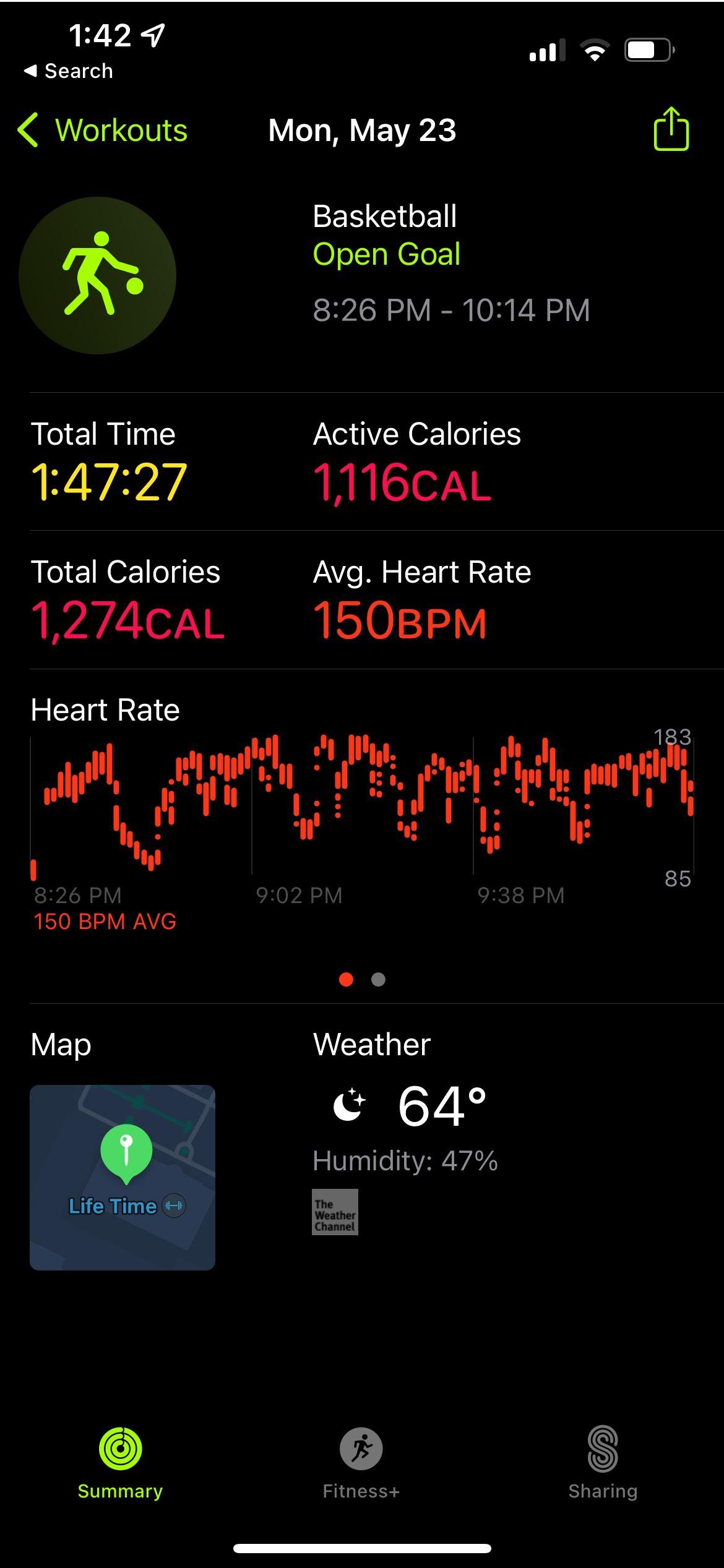
NBA players burn an estimated 3,000 to 4,500 calories during a single game.
Have you ever wondered how many calories do nba players burn in a game? It’s a question many fitness fans ponder, considering the intense physical exertion these athletes experience. The constant running, jumping, and explosive movements result in a significant energy expenditure.
These professional athletes push their bodies to the limit every night. It’s no surprise then that they require such a high-calorie diet. The amount of energy they expend is truly impressive.

How Many Calories Do NBA Players Burn in a Game?
Have you ever watched an NBA game and wondered just how much energy those players are using? It’s not just running back and forth; it’s jumping, dribbling, defending, and making incredibly quick moves. All of that takes a lot of fuel! Understanding the calorie burn of an NBA player in a single game is like peeking behind the curtain to see the incredible physical demands of professional basketball.
The Factors Influencing Calorie Expenditure
It’s not as simple as saying every NBA player burns the exact same number of calories in a game. Many things come into play that affect how much energy a player uses. Let’s explore some of them:
Playing Time
This one’s pretty obvious. The more minutes a player spends on the court, the more calories they’re going to burn. A player who’s a starter and plays 35-40 minutes will naturally burn more calories than someone who only plays 10 minutes off the bench.
Position on the Court
Different positions have different roles and require different types of movement. Point guards are constantly running and weaving through the court, making quick passes and leading the offense. Centers, on the other hand, spend a lot of time battling in the paint, which requires strong bursts of power and jumping. Forwards often do a bit of both, needing to be agile and strong.
- Point Guards: High-intensity running, agility, quick changes of direction.
- Shooting Guards: Often involved in perimeter movement and scoring, requiring bursts of speed.
- Small Forwards: Versatile, requiring both speed and strength.
- Power Forwards: Intense physical play in the paint, involving jumping and strength.
- Centers: Dominate the paint, involving intense physical battles and rebounding.
Intensity of Play
The level of intensity in a game also makes a difference. A close, hard-fought game that goes down to the wire will likely result in more calories burned than a game where a team is easily winning or losing by a lot. Think about how much harder the players push themselves when every possession matters!
Individual Player Factors
Each player’s body is different, and this affects calorie burn. Here are some of those differences:
- Weight: Heavier players will generally burn more calories than lighter players for the same amount of activity. Think of it like pushing a heavier object; it takes more energy.
- Muscle Mass: Players with more muscle mass tend to burn more calories at rest and during activity. Muscle uses more energy than fat, even when you’re not moving.
- Metabolic Rate: Everyone’s metabolism is different. A faster metabolism means a person burns calories quicker, while a slower metabolism means they burn them slower. Genetics and lifestyle play a big role here.
Estimating Calorie Burn: The Numbers Game
Now that we know what influences calorie burn, let’s talk numbers. There is no one perfect calculation but rather, a range. Most studies estimate that an NBA player burns anywhere from 600 to 1,000 calories per game. However, some high-intensity games, or those with lots of playing time, can push that number even higher. It is very rare that a player will burn below 500 calories, if the player plays even a little bit. Some players have been estimated to burn over 1,500 calories during an intense playoff game, this is highly based on the player position, and the time of game.
Average Calorie Burn Per Position (Estimates)
While individual numbers will always vary, here’s an estimated average breakdown of calorie burn per position:
| Position | Estimated Calorie Burn Per Game | Typical Game Movements |
|---|---|---|
| Point Guard | 800-1100 calories | Constant running, fast breaks, frequent changes of direction, dribbling, passing. |
| Shooting Guard | 700-1000 calories | Fast breaks, perimeter running, shooting, some dribbling. |
| Small Forward | 750-1050 calories | Mix of inside and outside play, some rebounding, some driving. |
| Power Forward | 750-1150 calories | Intense rebounding, fighting for position in the paint, some mid-range shooting. |
| Center | 650-1000 calories | Battling in the paint, rebounding, jumping, setting screens. |
These are just estimates. It’s very important to remember that actual calorie burn depends on specific game conditions and the individual player.
The Science Behind Calorie Burning During an NBA Game
So what makes NBA players burn so many calories? Let’s take a closer look at the science:
High-Intensity Interval Training (HIIT)
Basketball, at its core, is a sport of high-intensity bursts mixed with periods of lower intensity. This makes it similar to high-intensity interval training (HIIT). Players sprint, jump, and make sudden movements, and then they might jog or walk briefly before the next play begins. HIIT is known to be incredibly effective for burning calories because it elevates your heart rate for short bursts, and also uses the afterburn effect, where your body continues to burn calories even after your activity has finished.
Aerobic and Anaerobic Energy
During an NBA game, players use both aerobic and anaerobic energy systems. Aerobic energy comes into play during less-intense periods, such as jogging or walking between plays. Aerobic exercise uses oxygen to create energy, which is good for endurance. The aerobic system allows your muscles to keep working for an extended time. Anaerobic energy is used during intense bursts of activity, like sprinting or jumping. Anaerobic activity doesn’t rely on oxygen, but it can’t be sustained for long. Basketball requires a constant switching between these two systems, which keeps the body working at a very high level.
The Role of Body Composition
As previously mentioned, body composition significantly affects calorie burn. Muscle tissue is more metabolically active than fat tissue, meaning it burns more calories even when a player is at rest. NBA players are generally very lean and muscular, which contributes to their high calorie expenditure during games. This also helps them perform at their very best, as more muscle can aid in power and speed.
The Importance of Hydration and Fueling
To perform at their best and manage such high calorie losses, NBA players have to carefully manage their nutrition and hydration. They need a lot of carbohydrates for energy, protein to rebuild muscles, and electrolytes to replace what is lost in sweat. They also drink plenty of water throughout the game to stay hydrated. Think of it like a car that needs gas and oil; NBA players need the right fuel to keep going at such a high level.
Tracking Calorie Expenditure: Technology and Methods
How do we even know these estimates? Various tools and methods can be used to track calorie expenditure in athletes:
Heart Rate Monitors
Heart rate monitors are a commonly used tool to measure the intensity of activity. By tracking the heart rate, you can get a good idea of how hard someone is working and how many calories they are burning. Many players wear chest straps or wrist devices that transmit their heart rate data to a monitoring system.
Metabolic Testing
Metabolic testing is a more accurate way of determining calorie burn, although more complex to perform. During these tests, a person breaths into a device that analyzes the amount of oxygen used and carbon dioxide produced. This data helps measure metabolic rate, and how many calories their body burns while resting and during physical activity. While very accurate, metabolic tests are not performed on players during actual games, due to the limitations, and time commitment. Instead it is used during training.
GPS Tracking
GPS tracking is another useful tool, especially in sports like basketball where players move across a court. GPS trackers monitor movement, speed, and distance covered, which can be used to estimate calorie burn. This is useful to understand the overall intensity of the game and how much each player covered.
Activity Trackers
Many fitness watches and activity trackers on the market use a combination of heart rate monitoring, GPS tracking and movement analysis to estimate calorie burn. While not as precise as metabolic testing, these trackers are easily accessible and can provide good estimates for the general public, and also for the athletes themselves.
The Impact of Calorie Burn on Players’ Diets
Burning so many calories in a single game means that NBA players have to have very specific diets and meal plans. They can not just eat anything they want. They have to consider what will help them both recover and also perform at the top level. They have a high caloric needs, this means that what they eat has to be high in calories and also nutritious. Here’s how it affects what they eat:
High Calorie Intake
NBA players require a lot more calories than the average person. They are eating thousands of calories a day to make sure they have enough energy to train and play games. Think about how many meals you eat a day, they might eat double, or even triple that amount, with more calories per meal.
Carbohydrates for Fuel
Carbohydrates are essential for energy. Players often have high carbohydrate diets, with plenty of whole grains, fruits and vegetables. These carbs give them the energy to perform at high levels for long periods, with their muscles full of glycogen.
Protein for Muscle Repair
Protein is very important to repair muscles and to make them stronger. NBA players consume a lot of protein through meat, fish, eggs and plant based options, to ensure muscles are strong and recover quickly after a hard practice or game.
Importance of Timing
When they eat is also just as important. They eat balanced meals before games to help them perform their best, and they eat a meal after games to help them recover. They also consume snacks to keep them going throughout the game.
Hydration is Key
Staying hydrated is very important. NBA players lose a lot of water through sweat, they make sure to drink a lot of water and electrolytes before, during, and after games. This helps them stay at their best, and reduces the risk of injuries.
Understanding how many calories NBA players burn in a game isn’t just a cool fact; it gives us a glimpse into the incredible physical requirements of professional basketball. From playing time and position to individual factors and the science of calorie burning, many elements affect how much energy they use on the court. Their high-intensity efforts mean they have to eat a special diet to perform at the very best, and they must ensure they stay hydrated at all times. Next time you watch an NBA game, remember the hard work and energy they’re putting in, and you’ll appreciate what goes on behind the scenes even more.
#1 Most Common Nutrition Error for Basketball Players
Final Thoughts
NBA players burn a significant number of calories during a single game. The precise amount varies due to factors such as playing time, intensity, and individual metabolic rates.
Typically, an NBA player burns anywhere from 500 to 1000 calories each game. However, some players may even surpass these figures. The physical demands of professional basketball are exceptionally high, contributing to this substantial caloric expenditure.
Therefore, ‘how many calories do nba players burn in a game’ is a complex question with a range of answers. The game’s intensity greatly influences the final calorie count.

