
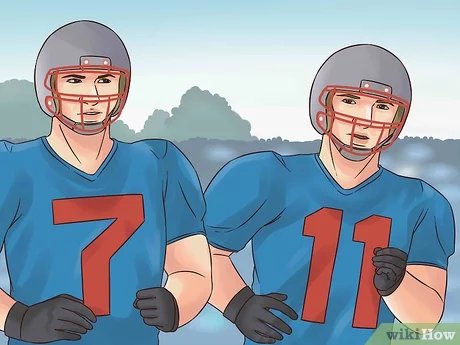
Before a football game, prepare by hydrating well, eating a nutritious meal, warming up your muscles with light exercises, and mentally visualizing a successful performance.
The stadium lights are about to blaze, the roar of the crowd is building, and you’re eager to step onto the field. But are you truly ready? Knowing how to get ready for a football game is crucial for peak performance. It is not just about the physical aspect of the game.
Preparation involves more than just putting on your jersey. It’s also about properly nourishing your body and ensuring your mind is focused. With some planning, you can make sure you’re ready to give your best at the game.

How to Get Ready for a Football Game
Getting ready for a football game isn’t just about putting on your jersey and heading out. It’s about preparing your body and mind so you can play your best and have a great time. Whether you’re a star player or just starting out, these tips will help you get game-day ready. Let’s break it down step-by-step!
The Pre-Game Prep: Fueling Your Body Right
What you eat and drink before a game is super important! It’s like putting the right kind of gas in a car. You need the right fuel to run fast and strong. Think of your body as a high-performance machine, and you need premium fuel. Not just any snack will do. Let’s look at what to put in your engine:
Carbohydrates: Your Energy Source
Carbs are your body’s main source of energy. They’re like the fuel that makes your muscles work hard. Think of foods like:
- Whole wheat bread
- Pasta
- Brown rice
- Oatmeal
- Fruits like bananas and apples
These give you sustained energy, which means you won’t feel tired halfway through the game. Avoid sugary snacks right before the game. They can give you a quick burst of energy that fades fast, leaving you feeling sluggish.
Proteins: Building and Repairing Muscles
Protein is key for building and repairing muscles. It helps you get stronger and recover after the game. Good protein sources include:
- Lean meats like chicken or turkey
- Fish
- Eggs
- Beans and lentils
- Nuts and seeds
Aim for a good balance of protein and carbs in your pre-game meals. Don’t overload on protein right before the game; a normal serving is usually enough.
Hydration: Keeping the Engine Cool
Drinking enough water is absolutely essential. It helps keep your body working correctly, prevents cramps, and keeps you feeling good. Dehydration can make you feel slow and tired. Here are some hydration tips:
- Drink water consistently throughout the day, not just right before the game.
- Carry a water bottle with you, especially on game day.
- Consider sports drinks for longer games, as they can help replace electrolytes you lose through sweat.
Avoid sugary drinks like soda. They don’t help with hydration and can actually make you feel worse. Try to get into the habit of hydrating days before any football practice and games, not just on game day.
Timing Your Meals
You should eat your main meal at least 3-4 hours before the game. This gives your body time to digest the food. If you need a smaller snack, have it 1-2 hours before the game, choosing something easy to digest like a banana or a piece of toast. Don’t experiment with new foods on game day. Stick to what your body is used to.
The Mental Game: Getting Your Head in the Game
It’s not just about your body; it’s also about your mind! Having the right mindset can make a big difference in how you play. Getting your mental game ready is just as important as the physical part.
Visualizing Success
Close your eyes and imagine yourself playing a great game. See yourself making good passes, scoring touchdowns, and making great tackles. This can help you feel more confident and ready to succeed. Imagine yourself performing well in different game situations. What does it look like when you make that great catch or execute that perfect block? Go through the game in your head and see yourself performing each play with excellence.
Positive Self-Talk
Talk to yourself positively. Instead of saying “I can’t do this,” say “I’ve got this!” Encourage yourself. Replace negative thoughts with positive ones. Tell yourself, “I am strong,” “I am fast,” “I am ready.” Believing in yourself is the most important part of being prepared.
Relaxation Techniques
Before the game, take some time to relax and calm your nerves. Try taking a few deep breaths, listening to some calming music, or doing some light stretching. These methods can help reduce stress and anxiety. You might use meditation, deep breathing exercises, or any other calming techniques that work well for you. Being calm and relaxed will help you think clearly and react quickly during the game. Feeling nervous is normal, but learning to control that nervous energy will help you play your best.
Focus on Your Role
Concentrate on the specific things you need to do on the field. Don’t worry too much about the things you can’t control. Focus on your position, your responsibilities, and what you can do to help your team. You don’t need to be the best player on the field, you just need to fulfill your role to the best of your ability.
The Physical Warm-Up: Getting Your Muscles Ready
A good warm-up is like tuning up an instrument before a concert. It gets your muscles ready to work and helps prevent injuries. Don’t skip your warm-up; it’s crucial for game day. Let’s go into the basics of warming up.
Light Cardio
Start with some light exercises to get your heart pumping and blood flowing. Things like:
- Light jogging
- Jumping jacks
- High knees
- Butt kicks
This should get you breathing a little harder and should last for about 5-10 minutes.
Dynamic Stretching
Dynamic stretching involves moving your muscles through their full range of motion. Examples include:
- Arm circles
- Leg swings
- Torso twists
- Walking lunges
- Side Shuffles
Do these stretches for about 10-15 minutes. This helps to increase your flexibility and prevent injuries by warming your muscles up properly. Unlike static stretches where you hold a stretch for a period, dynamic stretches move your body and muscles through a range of motion.
Sport-Specific Drills
Do some drills that mimic the moves you will be making in the game. This could involve:
- Short sprints
- Agility drills
- Passing drills
- Catching drills
- Light tackling drills
These drills will help get your muscles primed for the specific activities you will be doing in the game. These also help you improve your skills and coordination. Doing sport-specific drills helps you get into the mindset and movements that you will be using during the game. This will help you move from practice to game settings.
The Gear Check: Making Sure You’re Equipped
Having the right gear is very important for safety and performance. Before you head to the field, do a check of all your equipment. It helps you avoid distractions and concentrate completely on the game. Let’s see what you need to check:
Helmet
Make sure your helmet fits properly and is secured correctly. It should be snug but not too tight. Your helmet is your most important piece of safety equipment. A properly fitted helmet prevents concussions and other head injuries. Check for cracks and damages. Make sure the chin strap is snug but allows you to breathe and speak comfortably. Have your coach or a trained adult make sure the fit is correct.
Shoulder Pads
Your shoulder pads should fit snugly and should not be too big or too small. They should cover your shoulders and chest without restricting your movement. Check that straps are secure and that the pads are not broken or loose. Proper shoulder pads are essential for protecting you from injuries. Like your helmet, have a coach or trained adult assist you to fit your shoulder pads correctly.
Pants and Pads
Ensure your pants fit well and that all the padding is in the correct place. Thigh pads, knee pads, and hip pads should be positioned correctly and should stay in place. Make sure the pants are the correct length and don’t restrict your movement. Use your belt to hold the pants at your waist. Check to see if the leg pads and hip pads are sitting correctly and secure.
Cleats
Make sure your cleats are the right size and are in good condition. Check for any worn-out areas or missing studs. Good traction on your cleats can help prevent slipping and improve your performance. Make sure the cleats are tied firmly and are not too loose. Loose cleats can be a safety hazard, as you may trip and get hurt.
Mouthguard
Your mouthguard should fit well and protect your teeth and jaw. Don’t forget to wear it every time you step on the field. Keep a clean one in your kit and don’t use someone else’s mouthguard. A properly fitted mouthguard protects you from serious injury and dental damage. Make sure it is comfortable and does not hinder your breathing or speaking.
Other Necessary Gear
Don’t forget any other gear like gloves, wristbands, and any special equipment you might need. Make sure everything is in good condition and ready for the game. Have everything packed into your bag before leaving for the game, that way you won’t forget an essential piece of gear.
Game Day Routine: Staying Organized
Having a game day routine will help you stay organized and reduce stress. Here is a general breakdown of a good routine:
Set Out Your Gear
Lay out everything you need the night before so you are not rushing the day of the game. This includes your jersey, pads, socks, cleats, and anything else. This helps avoid forgetting something important and minimizes stress before the game.
Wake Up Early Enough
Wake up with enough time to have a good breakfast and mentally prepare. Rushing can lead to stress and forgetting things, so wake up earlier than you think you need to.
Eat a Proper Breakfast
Eat a meal that will give you energy but won’t make you feel heavy. A good breakfast helps kickstart your day. Consider whole grains, fruits, and lean protein.
Review Your Plan
Re-read your position and responsibilities, and mentally review plays. Take a moment to think about your goals for the game.
Arrive On Time
Arrive at the field early enough to get ready and participate in team warm-ups. Give yourself enough time to get your gear on and get settled before the game starts.
During the Game: Stay Focused and Safe
While you’re playing, keep focused and follow these guidelines:
Listen to Your Coach
Follow your coach’s instructions and game plan. Remember that the coach has your best interest in mind. They’ve planned out the plays so you can have a successful game.
Stay Hydrated
Drink water frequently to stay hydrated. This will help you feel energized and help prevent cramps. Take advantage of any water breaks that are available.
Communicate with Teammates
Talk to your teammates on the field so you are working together. Communication is key to playing a great game. If you see your teammate in a better position, let them know so they can take the pass.
Play Fair and Safe
Play according to the rules and watch out for the safety of yourself and others. Avoid dangerous play and look out for other players. Playing a fair and clean game is always a good option.
Have Fun!
Remember to enjoy yourself and have fun. It’s important to have fun and to work your best. When you’re having fun, you’re more likely to play well.
After the Game: Recovering Well
After the game, you’re going to need to take some steps for recovery. Here is how to recover well:
Cool Down
Take time to cool down with light stretching and movement. This helps prevent muscle stiffness and soreness.
Rehydrate
Continue to hydrate to replace fluids lost during the game. Drink water and sports drinks to replace the lost fluids.
Refuel
Eat a healthy meal that includes protein and carbohydrates to replenish your energy. Eat something within an hour or two after the game to help your body recover.
Rest
Get enough sleep to let your body rest and recover. Your body needs a good amount of sleep to recover and prepare for the next day. Make sure you take the time to rest.
Following these steps will help you get ready for a football game and play at your very best. Remember that preparation, both physically and mentally, is the key to a good game.
9 Ways to Prepare for a Football Match #shorts
Final Thoughts
Proper hydration and a nutritious meal are must before the game. Get your gear ready the night before. Mentally prepare by visualizing positive plays.
Arrive early to warm up effectively. Dynamic stretches and light cardio improve performance. Ensure you are in the right mindset to compete.
So, to summarize how to get ready for a football game: plan your food, gear, and warm-up routine, then focus mentally. These steps will prepare you well.

