
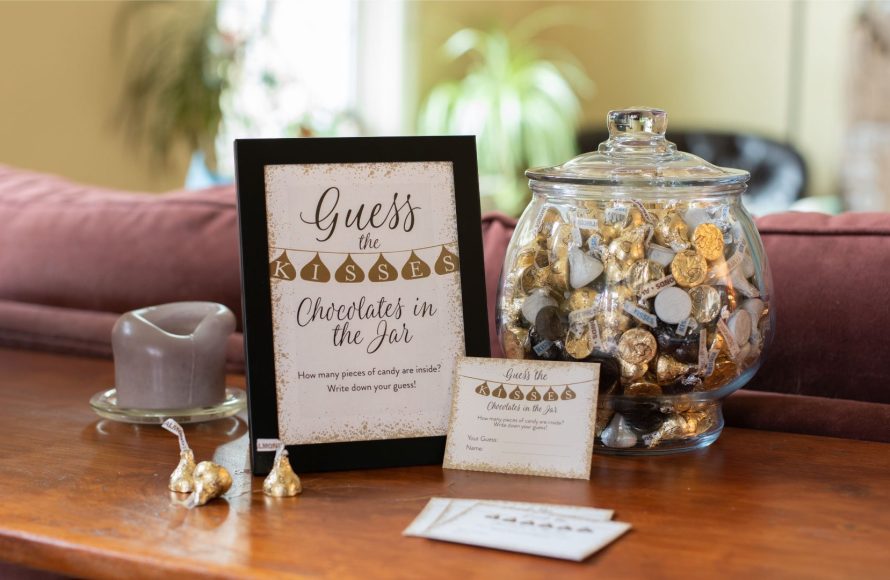
Estimating the number of candy in a jar game involves making an educated guess, considering the jar’s size and how the candy is packed, then refining that guess based on visual cues.
Have you ever been captivated by a jar brimming with colorful candy, and the challenge to guess how many candy in a jar game? It’s a classic party game, a simple contest, yet it often brings people together. We all try our best to get close, with everyone trying their techniques.
Often, there are clever strategies, from counting layers to judging density. This simple game can be surprisingly tricky. People’s estimations can be wild, some low, some very high.

How Many Candy in a Jar Game: A Sweet Deep Dive
Okay, so you’ve probably seen it before: a big jar, filled to the brim with colorful candies, and a little slip of paper asking, “How many candies are in here?” That’s the classic “how many candy in a jar game,” and it’s way more than just a guessing game. It’s a fun way to bring people together, get brains working, and maybe even win a prize! But have you ever stopped to think about what makes this game so captivating? Let’s explore all the sugary details, from why it’s so popular to how you can become a candy-counting champion.
The Sweet History of the Guessing Game
Believe it or not, this kind of guessing game has been around for a long, long time! It’s not just about candy. People have been trying to guess the number of objects in containers for ages – things like marbles, coins, or even beans. The reason? Well, it’s fun to test our ability to estimate, and there’s always that chance of being the closest and taking home the goodies. While we don’t know the exact origin, the concept of guessing games involving contained objects is pretty ancient. It taps into something basic in our nature – wanting to solve puzzles and be right.
Why is the Candy Jar Game So Popular?
There are lots of reasons why this game is a hit at parties, school events, and even business gatherings. Here’s a look at what makes it so appealing:
Simplicity Rules
First off, it’s super easy to set up. All you need is a jar, some candies (or any small item, really), and some paper for guesses. There are no complicated rules to learn or fancy equipment to buy. This simplicity makes it accessible for everyone, no matter their age or skill level.
A Little Bit of Friendly Competition
Humans love a good challenge, and the candy jar game is perfect for friendly competition. It’s not about physical strength or even knowing a lot of trivia. It’s about who can estimate the best, and that makes it inclusive. People love to try and beat their friends or family. It creates a fun and lighthearted competitive environment that everyone can enjoy.
The Allure of the Prize
Let’s be honest, the prize is a big part of the appeal! Whether it’s the whole jar of candy, a gift card, or something else entirely, the chance to win something makes the game even more exciting. It adds a little bit of extra motivation to make a good guess.
It’s a Conversation Starter
This game naturally gets people talking. They’ll discuss how they are making their estimates, share tips, and even try to figure out how others are guessing. It’s a great way to break the ice and encourage social interaction, especially at larger events.
A Game for All Ages
Kids, adults, and even grandparents can all get in on the candy guessing fun. It’s a game that transcends age and makes everyone feel included.
Choosing the Right Jar and Candy
The container you choose and the type of candy you fill it with can greatly affect how difficult the game is. Let’s break down what to consider:
Jar Size and Shape
A classic clear glass jar is ideal. Think about the size – a tiny jar filled with tiny candies might be too easy, while a giant jug might be too hard to guess. A medium-sized jar usually hits the sweet spot. Also, consider the shape. Cylindrical jars are the most common because it’s easier to visually estimate volume. However, jars with interesting shapes can make it trickier but also more interesting.
Candy Types: Not All Candies Are Equal
The type of candy impacts the game as well. Here are some things to think about:
- Small, Uniform Candies: Candies like jelly beans, M&Ms, or Skittles make the game easier to estimate. Because they are generally the same size and shape, players can easily estimate how many fit in a row, and then calculate layers.
- Irregular Shapes: Candies like hard candies, wrapped candies, or chocolates with uneven shapes make the guessing harder. The irregular shapes can create air pockets, making volume estimation tricky.
- Variety Pack: Using a mix of candies of different sizes and shapes can add an extra layer of complexity to the game.
Making it Interesting
Want to spice things up? How about using things other than candy? You could use:
- Marbles
- Buttons
- Small toys
- Coins
- Gummy Bears
The possibilities are endless! Just make sure you can count what’s in the container accurately!
The Art of Estimation: How to Make a Good Guess
Okay, so you want to win, right? Here’s the deal: pure luck might get you close, but a few estimation strategies can increase your chances of making the winning guess. It’s not about randomly picking a number; it is about thinking logically.
Visual Estimating Techniques
Here’s how to train your eye:
- Layer Counting: Look at the jar from the side. Try to imagine how many layers there are and then try to guess how many candies are in one layer. Then just multiply them together.
- Base Layer Estimation: Focus on the base. How many candies cover the bottom? If the jar is round, try to picture how many would fit across the diameter. Then, make a very rough estimate of how many layers would be on top of that.
- Visual Segmentation: Mentally divide the jar into sections (for example, half or quarters). Estimate how much of the total volume each section fills.
Mathematical Estimation Strategies
Let’s bring some math into it. Here are techniques that you can use if you are comfortable with some calculations:
- Volume Estimation: It’s possible to approximately measure the container volume using the formula for a cylinder. Then, use a sample count in a small measured space to calculate how many of those candies would fit into the container. Note that this is a very rough calculation and the “packing” of the candies can affect how many actually fit into a container.
- Sample Counting: Take a small, known number of candies (like 10 or 20) and arrange them in a small area of the jar’s base. Then, estimate how many of those small groups would fill the jar.
- Reference Point: If possible, try to count the candies in a small, measurable portion of the jar (a thin horizontal slice) and then use this as a reference to estimate the remainder of the jar.
Thinking Like a Counter
Think like the person who filled the jar! They probably started at the bottom and filled to the top. They may have poured from bags that had a known quantity. Use this to help make your guess.
Don’t Be Afraid to Guess
Even if you don’t want to use all the math strategies, make a guess! Often, it just comes down to what your best guess is. You have nothing to lose and a lot of sugary goodness to gain!
Tips for Running a Successful Candy Jar Game
Hosting your own candy jar guessing game is a piece of cake (or should we say, a piece of candy?). Here’s how to make sure yours is a hit:
Choosing the Right Time and Place
When and where you host the game matters. Consider these:
- Event Type: Is it a party, a school fair, a workplace event, or something else? Choose a place where you have enough space and a spot that’s easy for people to access.
- Traffic Flow: Put your jar in a location where people can easily see it, but it does not get in the way.
Setting Up the Game
Here are the essential things you need:
- The Jar: Clean, clear, and the right size for the number of participants and candies.
- The Candies: Colorful and appealing, but also consider how difficult you want the game to be.
- Guessing Slips: Prepare small pieces of paper, or use small index cards, for people to write their names and guesses.
- A Pen or Pencil: Keep them handy so people can quickly make a guess.
- A Sign: Make sure people know what the game is about and what they could win. You should also include a deadline for guesses.
- Prize: Have the prize on display so participants know what they are trying to win.
Clear Rules and Instructions
Make sure that it’s easy for participants to understand how to participate. Here’s how:
- Clearly State How to Guess: Let everyone know if they write their name, contact information, and their guess.
- Explain the Deadline: Make it clear when the guessing stops. For example, close of business, or the end of the party, etc.
- Clarify Tiebreakers: Let people know how to handle any ties. In some cases, this can be the first person who made that guess.
Managing the Game
Keeping things organized is important:
- Secure Guesses: Use a box or jar to collect the papers, so no one can see previous guesses.
- Accurate Count: Make sure you know the exact number of candies in the jar, and keep this a secret!
- Announce the Winner: Do this in a fun way, and have a plan for prize distribution.
Variations on the Classic Candy Guessing Game
Want to add a little twist to the traditional game? Here are some cool variations to keep things interesting:
Themed Jars
Match the candy and container to a specific theme. This is great for parties:
- Holiday Themes: Use red and green candies for Christmas or pastel-colored candies for Easter.
- Movie Themes: Choose candies that match a particular film.
- Color Themes: Use a variety of candies that are all the same color.
Weight-Based Guessing
Instead of guessing the quantity, ask people to guess the weight of the candy. You will need a scale to accurately measure the weight.
Guess the Price
Have players try to guess how much the jar of candy cost to buy. This would require knowing the per-unit price of all candies in the jar.
Multiple Jars
Try using multiple jars with different candies, each with a different prize!
Charity Twist
Use the game to raise money for a charity. Participants can pay a small fee to make a guess.
By using these tips and tricks, you can turn a simple candy jar game into an engaging and memorable experience for everyone involved. Whether you’re a seasoned counter or a first-time guesser, remember that the most important part is to have fun and enjoy the sugary suspense!
The candy jar guessing game is more than just a simple party activity; it’s a fun way to engage the mind and connect with others. It’s about the fun, the challenge, and the potential for a sweet victory. So, whether you’re hosting a game or just playing, now you’re equipped to make the most of this classic activity. It’s time to grab a jar, fill it with your favorite candies, and let the guessing begin!
Jelly Bean Guessing Game HACK
Final Thoughts
The game ‘how many candy in a jar game’ remains a fun activity. It engages estimation skills and encourages playful competition. People of all ages can enjoy this simple guessing challenge.
Guessing involves observation and a bit of luck. The thrill of making an accurate prediction adds excitement. This game makes any gathering a bit more engaging.
Ultimately, the fun is in participating. This classic contest continues to delight and entertain. It’s a great way to enjoy some friendly rivalry.

