
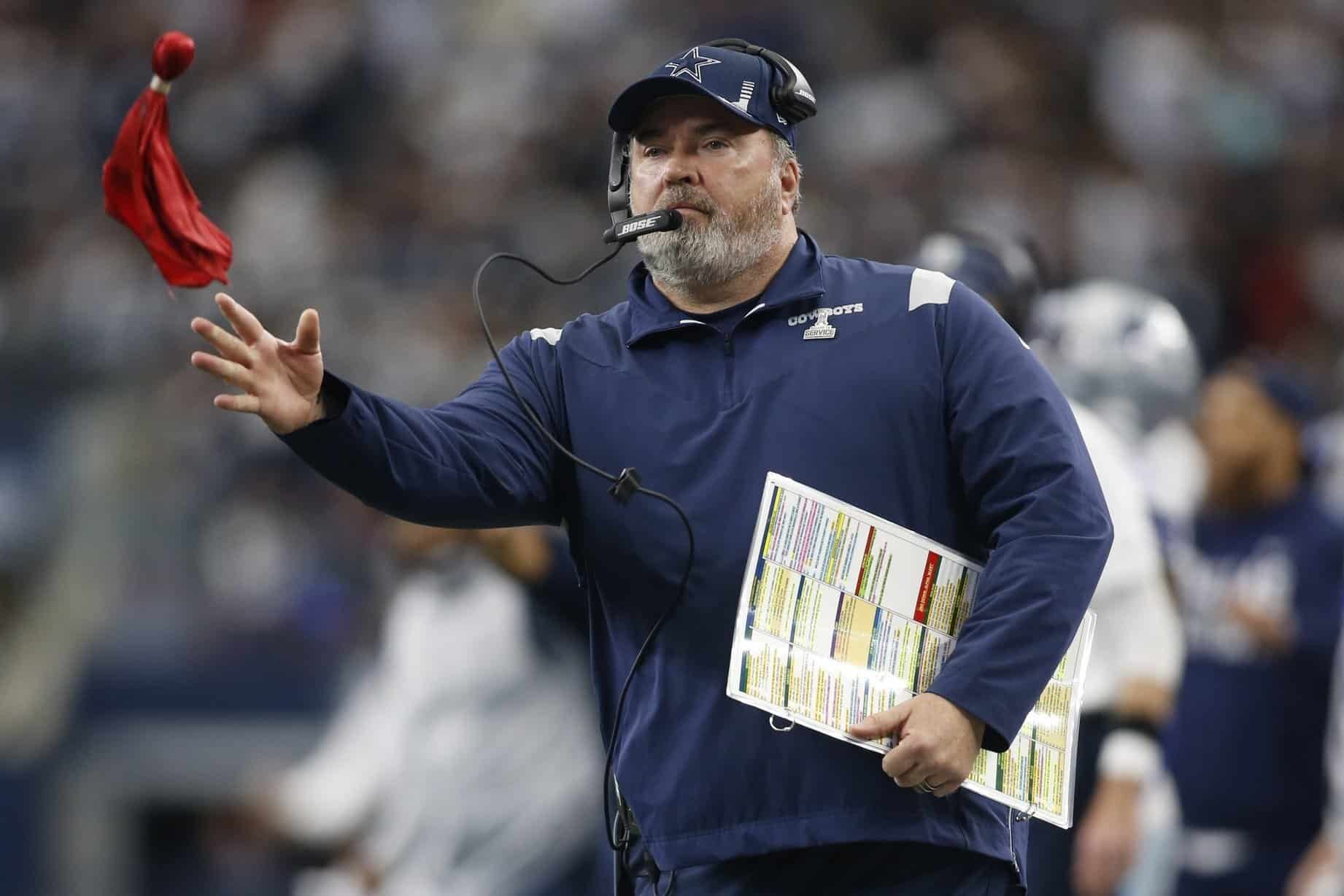
Each NFL team gets a maximum of two challenges per game. If both challenges are successful, they receive a third challenge.
Ever find yourself yelling at the TV, convinced the ref made the wrong call? The NFL challenge system gives teams a chance to correct officiating errors. Knowing the rules, such as how many challenges per game in nfl, is crucial for any dedicated fan.
The use of challenges adds a layer of strategy. It becomes essential for coaches to understand when to throw the red flag. They must carefully assess plays and decide if it is worth using one of their limited chances.
Understanding how many challenges per game in nfl can also enhance your viewing pleasure. You will see more clearly how coaches manage their resources.

How Many Challenges Per Game in NFL
So, you’re watching an exciting NFL game, and the referee makes a call that seems… well, wrong. The coach is jumping up and down, yelling, and then he throws a red flag! That’s a challenge. But how many times can a coach do that in a single game? It’s a great question, and the answer is pretty important for understanding the game. Let’s dive deep into the world of NFL challenges and how they work.
The Basics of NFL Challenges
In the National Football League (NFL), coaches get a chance to question some of the referee’s calls. They do this by throwing a red flag onto the field. This action signals to the officials that the coach wants a replay review of the play. It’s like saying, “Hey, I don’t think you saw that right!” When a challenge is made, the play is reviewed by officials in a booth using video replays to determine if the call on the field was correct or not. This system exists to ensure that the game is as fair as possible, reducing human error.
What Can Be Challenged?
Not every single play in the NFL can be challenged. There are specific types of calls that are reviewable. Some of these include:
- Plays involving possession of the ball: This could be a catch, fumble, or interception.
- Whether a player was down by contact: Did the player’s knee touch the ground before the ball came out?
- Whether a player stepped out of bounds: Did a player step out of bounds before making a play?
- Touchdowns and scoring plays: Did the ball actually cross the goal line, and did it happen legally?
- Pass Interference: Were players doing fair job in receiving or defending passes?
- Illegal Forward Passes: Was the ball thrown forward from behind the line of scrimmage or not?
- Field Goal and Extra Point attempts: was the ball truly kicked through the uprights?
It’s crucial to understand what can be challenged because a coach can’t just throw a challenge flag on any play he disagrees with. These specific rules are in place to keep the game moving and to make sure challenges are used for important situations.
What Cannot Be Challenged?
Just as important as what can be challenged is knowing what can’t be. There are some calls that are simply not up for review. This keeps the game flowing and prevents excessive stoppages. Here are some examples:
- Penalties unrelated to the ball: Things like holding, false starts, and offsides cannot be challenged.
- Spot of the ball: Where a player was tackled or the location of a penalty cannot be challenged in most circumstances.
- Clock-related issues: Whether the clock was run correctly is usually not reviewable unless it is in the final two minutes of a half or in overtime.
- Automatic reviews: Plays that are reviewed automatically by the booth are not able to be challenged, as that review has already occurred.
The Number of Challenges Per Game
Alright, let’s get to the heart of the matter: how many challenges do NFL coaches get? In a standard NFL game, each team is initially given two challenges. This means that both the home team and the away team get two chances to use the challenge system to their advantage. However, there is an exception.
Getting a Third Challenge
Yes, there is a way for a team to get a third challenge! If a coach is successful with both of their first two challenges, the team will then receive a third challenge. This means that getting a challenge correct gives that team one more chance to use the challenge system in the same game. This is a very important aspect for every coach while making a decision on a challenge, and it can add drama and strategy into the game, because a coach can be more aggressive in challenging if they have won their initial challenges, while a coach can become more conservative if they have lost those challenges.
So, the maximum number of challenges per team is three. To get all three, a coach must win their first two challenges. But if they lose their first challenge, they only have one remaining. If they lose both, they’re out of challenges. This makes choosing when to challenge a very important strategic decision for the coaches.
How Challenges Work: A Step-by-Step Breakdown
Let’s walk through exactly what happens when a coach throws that red flag.
1. The Throw of the Red Flag
The first step is the coach signaling their intent to challenge. The coach will throw a red flag onto the field, often near the location of the play in question. This is a very visual signal that immediately tells the officials that they intend to challenge.
2. The Referee’s Decision
The referee will then pause the game immediately. They will communicate with the other officials on the field, and will signal that they are reviewing the play. They will then go to the side lines, and have a conversation with a NFL Official that is also there. The officials will then review the play through the booth using replay and communicate their decision to the on field refree.
3. The Replay Review
While the game is paused, the officials in the replay booth will look at the video footage from all angles. This gives them a very detailed view of what happened on the field. The replay officials, after a thorough review of the play, will then communicate their decision to the referee.
4. The Final Decision
The referee will then announce the results of the challenge. The call on the field will either be confirmed (meaning it was correct), or overturned (meaning it was incorrect). If the call is overturned, the new result stands. Once the referee has made their final decision, then the game will continue.
5. Impact on Challenges
If the challenge was successful (the call was overturned), then the coach keeps the challenge. If the challenge is unsuccessful (the call is confirmed), then the team loses the challenge. Remember, a team can gain a third challenge if they are successful on the first two.
Strategic Use of Challenges
Challenges are more than just questioning calls; they are also an important part of a coach’s overall strategy. Knowing when to challenge can make a huge difference in the outcome of a game. The timing of when to throw the challenge flag is crucial, and coaches often weigh several factors before making the decision.
When to Challenge
So, when should a coach decide to use a challenge? Here are some common situations:
- Critical moments: Coaches will often use a challenge at a critical moment in the game, such as when the other team is close to scoring, or if there is a crucial down, such as a 3rd or 4th down. They will make the decision based on the impact the decision can make.
- Close calls: If a call is very close and the coach thinks it might be wrong, they are likely to challenge. These are the kinds of decisions that can swing momentum to one team, or the other.
- Big Plays: A touchdown, interception, or any other big play is a prime candidate for a challenge. It is very important to make sure the call was correct, before continuing the game.
- Late game situations: Challenges become even more important near the end of the game. At this point, there are not any more chances left, and they have to choose wisely.
When Not to Challenge
Knowing when not to challenge is equally as important. Here are some times when a coach might hold back:
- When unsure: If the coach isn’t very sure about a play, it might not be worth using a challenge. They can’t be wasted, and each one matters.
- Early in the game: Sometimes it is better to hold back challenges earlier in the game, because the impact is much larger later in the game.
- When low on challenges: If a coach has already lost one or both challenges, they have to be very careful when deciding on when to use the rest of them.
- When it won’t make a big difference: Sometimes the play is just not that impactful, that it does not need to be challenged.
The Impact of Challenges on Game Flow
Challenges can have a large effect on the flow of the game. They can cause pauses in the action, which can either be seen as frustrating or necessary, based on the circumstances. They can also be exciting, as the outcome of a challenge can shift momentum between the teams. Knowing how these can change the game, can help viewers understand them more.
Positives of Challenges
Here are some reasons challenges are great for the game:
- Increased accuracy: The main reason for challenges is to reduce error. This allows the game to have more correct calls.
- More fair games: With the system of challenges, this adds a new level of fairness to the sport. Each team has a better chance of being treated equally.
- Excitement: The wait for a challenge decision can be very intense. It adds some extra drama to the game.
Negatives of Challenges
Challenges are not always positive, and they do have some negative side effects:
- Pauses in the game: A challenge does slow down the game. This can cause some frustrations with both the players and viewers.
- Can be confusing: Sometimes, the challenges are difficult to understand, as the refree explains why the call was overturned, or not overturned. This can be difficult to understand.
- Can be controversial: Even with replays, some calls will still end up being questionable, with some coaches not liking the final decisions.
Common Questions About NFL Challenges
Let’s address some of the common questions people have about challenges in the NFL. It’s a somewhat complex topic, but we will try to simplify them and help you understand them.
What Happens if a Coach Throws a Challenge When It Can’t Be Challenged?
If a coach throws a challenge flag on a play that is not reviewable, the team will lose a time out, but not a challenge. This is a way to discourage throwing challenge flags on random plays.
Does a Challenge Use a Time Out?
Yes, if the coach loses a challenge, they also lose a time out. So, it’s a double penalty for the coach. It’s important to be sure when you throw the challenge flag, as each one is very important. Losing one timeout with a lost challenge makes the penalty even worse.
Can a Player Throw a Challenge Flag?
No, only the head coach can throw the challenge flag. This is a rule that is very important to the game, as if it was open to all players, this could easily get out of control. Only the head coach of the team can throw the challenge flag.
Can a Team Challenge in Overtime?
Yes, teams can challenge in overtime under the same rules that they can challenge during regular time. The same number of challenges, and same rules apply to overtime as in regular game time.
Are Challenges Used in the Preseason?
Yes, challenges are used in preseason games just like they are used in regular season games. This gives the coaches a good chance to test how the challenge system works before it gets to the regular season.
Understanding how many challenges per game in the NFL can make watching the game even more exciting. It also allows the viewers to get involved with the strategy behind a team, and get the full experience. So, next time you see a coach throwing that red flag, you will understand exactly how much strategy and planning goes into each challenge, and what the possible outcomes might be. It is a very important part of how the game works, and a key component in the way every coach prepares for the game. Every challenge has its own story, and will impact the outcome of the game. Knowing that, will only improve your understanding of the sport.
Ultimate NFL Trivia Quiz Challenge | Test Your Football Knowledge! 🏈
Final Thoughts
Each NFL team gets a limited number of challenges per game. The standard rule allows two challenges initially. If both prove successful, the team gets a third challenge.
However, a team cannot have more than three total challenges in a single game. Knowing how many challenges per game in nfl is important for strategy. Teams must carefully decide when to use them to their best advantage.

