
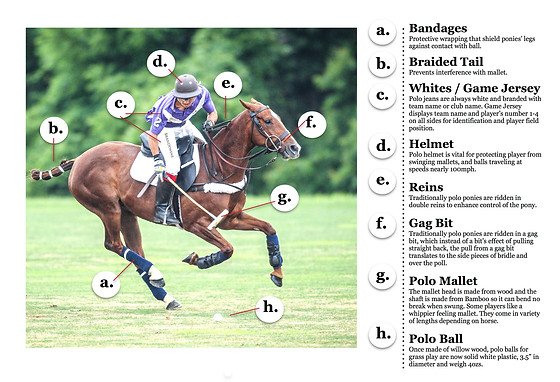
A standard polo game consists of six chukkers.
Ever watched a polo match and wondered about the flow of the game? It’s fast paced and exciting. One question frequently comes up among newcomers is: how many chukkers in a polo game? This is an easy detail to grasp, and it’s fundamental to understanding the structure of polo matches.
Knowing the number of chukkers helps you follow the action. Each chukker brings a new chance for scoring and strategy shifts. The game structure adds to the thrill of polo.

How Many Chukkers in a Polo Game: A Detailed Guide
Polo, often called “the sport of kings,” is a fast-paced, exciting game played on horseback. It might seem complicated at first, but understanding the basic structure, particularly the concept of a chukker, is key to appreciating the game. In this article, we will dive into the world of polo and explore everything you need to know about how many chukkers are in a typical polo match.
The simple answer is that most polo matches consist of 4 to 8 chukkers. However, there are different variations of the game, and the number of chukkers can change depending on the specific rules of that particular competition. Let’s jump into all the interesting details.
How Many Chukkers in a Polo Game
The heart of a polo game is divided into periods called “chukkers”. Each chukker provides a burst of action, with players maneuvering their ponies and striking the ball. The number of chukkers directly impacts the length of the game and its strategic flow. But why not just play for a continuous time? The breaks between chukkers, allow both the horses and players some well-needed rest, ensuring the safety and performance of everyone involved. Let’s see what a chukker really means and how it affects the game.
What is a Chukker?
A chukker, sometimes also spelled “chukka,” is the term used for a period of play in a polo match. Think of it like a quarter in basketball or a period in hockey. Each chukker is seven minutes long. This seven-minute period is crucial, it’s during this time when teams work hard to score points. It also gives horses opportunity to perform at their best, as horses work hard during this period, a break is needed for their recovery.
During these seven minutes, the play is constant and often intense. There is no stopping unless there is a foul or injury, during which the clock will stop, and only then they will have a break. But, if the ball goes out of bounds the clock continues to run, adding to the fast-paced nature of the game. This requires quick decision-making, excellent horsemanship, and perfect teamwork from the players.
The Importance of the Short Breaks
The breaks that occur between chukkers are not simply for resting. It also allows the players to change horses. Because of the high intensity nature of the sport, horses become tired quickly, and players usually use different horses for each chukker. This practice protects the horses, ensuring they don’t become overtired and risk injury. It also allows the players to play in the best possible condition throughout the game. Each time a player changes their mount, it not only serves to give rest to the previous horse but also provides a new dynamic to the game. Fresh horses can bring new energy, speed, and strategies onto the field, which can change the momentum of a polo match.
Standard Number of Chukkers
While the number of chukkers in a game can vary, the standard is usually either 4 or 6 chukkers.
- 4-Chukker Games: These games are typical for lower-level or less formal matches, often for practice, school, or friendly matches. These games are shorter and more accessible to beginners or for players who may not have a large string of horses. They provide a great introduction to the sport.
- 6-Chukker Games: These games are more common for competitive play. This length is the most used for high goal tournaments, and often seen in professional games. The extended duration demands more of the players and horses both in terms of endurance, as well as strategy.
High-Goal Polo vs. Low-Goal Polo
The distinction between “high-goal” and “low-goal” polo often dictates the number of chukkers played.
- High-goal polo generally features 6 chukkers, sometimes even 8 chukkers. This represents the most elite level of competition. More chukkers require greater stamina and a larger string of well-trained polo ponies from each team.
- Low-goal polo games typically consist of 4 chukkers, providing a shorter and more accessible format.
Why Do the Number of Chukkers Vary?
There are several reasons why the number of chukkers in a polo game might change. Let’s have a look.
Tournament Rules
The rules of a specific tournament play a big role in the number of chukkers in a game. The rules are made before the tournament begins and everyone has to follow that, and the rules can differ depending on the level of competition, the location of play, and other specific tournament needs.
Player Availability
Sometimes, player availability can affect the number of chukkers. If a team has fewer players or not enough well-trained horses, they may reduce the number of chukkers to make it suitable for them. This is sometimes seen in the games where the purpose is to introduce new players into the game, for which long games are avoided.
Ground Conditions
The condition of the polo field can also be a determining factor. During very hot weather, or on a very muddy field, a short game becomes the norm as longer games could be too much for players and horses. Playing fewer chukkers could also ensure the safety of horses during such conditions.
Practice Games
In friendly or practice games, it’s more likely to see a reduced number of chukkers. These matches are often used for training or trying out new tactics, therefore playing shorter games makes more sense.
The Length of a Polo Match
Now that we know how long a chukker is and how many chukkers are in a typical polo game, let’s calculate how long a polo game lasts. The answer may not be straightforward, but let’s go though the details.
Seven-Minute Chukkers: Each chukker lasts for seven minutes of play. Remember that the clock only stops for penalties, injuries or other stoppages by the referee, whereas it keeps running if the ball goes out of bounds.
Breaks Between Chukkers: There are breaks of 3 to 5 minutes between each chukker. These breaks allow players to change horses, have a quick drink, and discuss the game plan.
Half-time Break: If the game has more than four chukkers, there is a longer break at half-time. For example in a 6 chukker game, this longer break happens after the 3rd chukker. The half-time break lasts 5-10 minutes. This longer break is especially important for the horses to rest.
Calculating the Total Time
Let’s estimate the total length of a polo match in both a 4 chukker and 6 chukker game.
-
4-Chukker Game:
- Playing time: 4 chukkers x 7 minutes/chukker = 28 minutes.
- Breaks between chukkers: 3 breaks x 3-5 minutes/break = 9 to 15 minutes.
- Total estimated time: 37 to 43 minutes.
-
6-Chukker Game:
- Playing time: 6 chukkers x 7 minutes/chukker = 42 minutes.
- Breaks between chukkers: 5 breaks x 3-5 minutes/break = 15 to 25 minutes.
- Half-time break: 5 to 10 minutes.
- Total estimated time: 62 to 77 minutes.
Therefore, a four chukker game lasts approximately between 37 to 43 minutes, whereas a six chukker game can last from 62 to 77 minutes. This duration can change due to specific stops in each match.
Factors that Can Affect Game Time
Some factors can increase or decrease game time. Stoppages for fouls, injured players, or broken tack could result in more time, while games with fewer stoppages would be shorter. Additionally, depending on the exact rules of the tournament or league, break times can vary as well.
The Strategic Importance of Chukkers
The concept of chukkers is not just about time; it is an integral part of the strategy of polo games. Every chukker provides an opportunity for a team to adjust their game plan, using horses with different strengths. The breaks between chukkers provide valuable moments for the players to regroup, analyze the game, and plan their next strategy.
Changing Horses
As discussed earlier, players change horses between chukkers. The ability to utilize different horses brings new dynamics to the game, allowing for a new set of horses with different speeds and strengths to the playing field. It’s not just about getting a fresh horse. The type of horse chosen for each chukker depends on the game plan. For example, a player might choose a fast horse in an offensive move or a more agile horse if they plan to defend. This strategic change adds another dimension to the game.
Adjusting Strategy
Teams also use the breaks between chukkers to adjust strategies. If a team is losing, they might change their plan to improve their chances of winning. The coaches also use these breaks to give advice to their players. They also use this time to assess their player’s strengths and weaknesses and then formulate the best strategy. They also make use of this time to help the player adapt their approach in the next chukker.
Maintaining Player and Pony Condition
The intervals between chukkers also aid in maintaining the condition of both players and ponies. Polo is a physically demanding sport and the break between chukkers is an important component for everyone involved. Horses need time to recover after intense physical activity, just like the players. These well-structured breaks help to keep the players in top condition, increasing the overall quality of the match.
Key Takeaways
To sum up the information we have gone over, here are the key facts about chukkers:
- A chukker is a period of play in a polo game, lasting for seven minutes.
- Most polo games have either 4 or 6 chukkers.
- The number of chukkers depends on the level of play, competition, and player availability.
- There are breaks between each chukker, giving time for horses and players to rest.
- The concept of chukker is very important in the game’s strategy, as it affects the flow of the game.
Understanding the role of a chukker is key to understanding the overall experience of a polo game. It’s not just about the rules, but how the game is played. Whether you’re a player or a fan, being aware of chukkers will let you enjoy this fast-paced sport even more.
How many chukkers are there in a polo match? (Quiz)-Youtube Shorts
Final Thoughts
A standard polo match comprises six chukkers. Each chukker is seven minutes long, with short breaks in between. Therefore, a typical game lasts under an hour when you consider the pauses.
The number of chukkers can vary slightly based on the level of play. Lower-level matches may have only four chukkers. So, how many chukkers in a polo game depends on the competition.

