
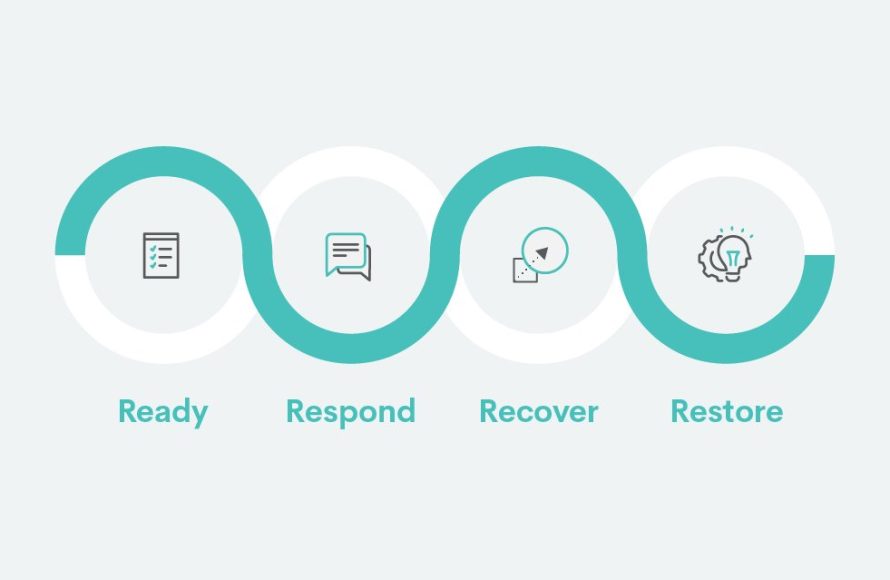
Xbox crisis management plans involve proactive strategies to handle potential issues, swiftly communicate with stakeholders, and implement solutions to minimize negative impact.
Imagine your favorite console facing a major outage; suddenly, games won’t load, online play is down. This is where solid Xbox crisis management plans become crucial. These plans aren’t just about fixing problems after they occur; they’re about preparing for them beforehand. A good plan requires quick response, clear communication, and a roadmap to resolution.

Xbox Crisis Management Plans
Okay, let’s talk about something really important for Xbox: what happens when things go wrong? Just like when you’re playing a game and suddenly the controller stops working, sometimes Xbox faces problems that need a plan to fix. These plans are called “crisis management plans,” and they’re super important for keeping everything running smoothly. Think of it like having a map when you get lost – it helps you find your way back on track.
Understanding What a Crisis Is
Before we dive into how Xbox deals with crises, let’s understand what a crisis actually is. It’s not just a minor glitch or a little lag during online play. A crisis is a big problem that can hurt the Xbox brand and make gamers unhappy. It can be anything from a major security breach that compromises user accounts to a widespread hardware failure that stops everyone from playing their favorite games. It could even be a problem with a new game launch, where it doesn’t work as promised. A good crisis management plan helps Xbox prepare for these scenarios.
Types of Xbox Crises
Xbox can face many types of crises. Here are some examples:
- Technical Issues: Problems with the Xbox console itself, the Xbox network (Xbox Live), or a game’s servers.
- Security Breaches: Hackers getting into user accounts, stealing personal information, or causing problems on the network.
- Game Problems: New games being buggy, having glitches, or not working as expected can frustrate players.
- Public Relations Issues: Mistakes in how Xbox communicates with players, or negative press coverage that damages reputation.
- Supply Chain Problems: Difficulties getting the console or other products to stores, causing shortages and unhappy customers.
- Social Media Backlash: If Xbox says or does something that people don’t like on social media, it can go viral very quickly and create a big problem for them.
Think about it like a video game: each of these problems is like a different boss you have to fight. Having a crisis plan means being prepared with the right tools to beat each one!
The Importance of Having a Plan
Why is having a crisis management plan so important? Well, without one, problems can get much worse, much faster. It’s like trying to fix a broken bike without any tools, it’s going to be very difficult and might end up making things even more broken! A good plan ensures:
- Quick Response: Xbox can act fast and get on top of the problem quickly, rather than wasting time trying to figure out what to do.
- Reduced Impact: A plan minimizes how much the crisis affects players and Xbox’s image.
- Clear Communication: Keeps players and the public informed about what’s going on and what steps are being taken to fix it.
- Protecting the Brand: Protects the Xbox brand so that players continue to trust them and buy their products.
- Learning from Mistakes: It allows Xbox to learn from each crisis and make their plans even better for the next one.
Key Components of an Xbox Crisis Management Plan
A good crisis plan isn’t just a document. It’s a whole system with different parts that work together. Let’s look at the most important parts:
The Crisis Team
First, Xbox needs a team of people whose job it is to handle any crisis. This team usually includes:
- Management: The people in charge who make the big decisions.
- Public Relations: The folks who communicate with the players and news outlets.
- Technical Experts: The people who know how to fix the problems, like engineers or developers.
- Customer Service: The group that helps players who are having issues.
This team is like the group of heroes in a game; they all have special skills that are needed to complete the mission.
Communication Strategy
During a crisis, communication is super important. Xbox needs to keep everyone informed. Their communication plan usually involves:
- Identifying the Facts: Making sure that they have the correct information about what is happening.
- Press Releases and Statements: Releasing official information to newspapers, online news sites, etc.
- Social Media Updates: Giving updates through platforms like Twitter, Instagram, and Facebook.
- Xbox Website and Forums: Providing updates and solutions on their own official sites.
- Direct Communication: Contacting affected customers directly through email or other means.
The most important thing is that Xbox provides clear, honest information, so players know what is happening and what to expect.
Response Protocols
Response protocols are a set of steps that outline what to do when a crisis happens. These protocols cover:
- Steps for Different Crises: Different steps for technical problems, security problems, or public image issues.
- Specific Actions: For example, shutting down servers, releasing a patch, or changing user passwords.
- How to Contact Who: Who needs to be notified when a problem happens?
- What to Say: Guidelines about what to tell players, the media, and other stakeholders.
It is like having a set of instructions for building something, and these steps need to be followed so that the fix is done correctly.
Training and Drills
It’s not enough to just have a plan, the Xbox team needs to know how to use it. This usually involves:
- Training Sessions: Teaching team members how to do their jobs during a crisis.
- Mock Crisis Drills: Practicing different scenarios to make sure everyone knows what to do.
- Plan Updates: Changing the plan regularly to make sure it still works as things evolve over time.
This helps to make sure that the team is ready for anything.
Post-Crisis Review
After a crisis, Xbox should review what happened and how they responded. This involves:
- Collecting Feedback: Asking their team how well the plan worked and what could be better.
- Identifying Areas for Improvement: Figuring out what went well and where they can improve.
- Updating the Plan: Making changes to the plan based on what they learned.
This is very important to ensure that the next crisis goes smoother and is handled more effectively.
Examples of Xbox Crisis Management
Now, let’s look at some hypothetical situations and how Xbox might handle them, just like watching someone play through a level in a game. These are examples of things that could happen. It doesn’t mean they will happen, but Xbox needs to be prepared!
Example 1: A Major Security Breach
Imagine that hackers somehow get into the Xbox Live system and compromise user accounts. This would be a big problem. Here’s how Xbox might use their crisis plan:
- Immediate Response: Xbox’s security experts would try to find the source of the problem and lock down their systems to prevent further damage.
- Communication: Xbox would immediately tell players what’s happened, probably through their website, social media, and emails. They’d explain what they’re doing to fix the issue and give users advice on how to keep their accounts safe.
- Fixing the Issue: Technical teams would work to fix the problem and recover any data that was lost.
- Password Reset: Xbox might ask users to change their passwords.
- Compensation: Xbox might offer some sort of compensation for the inconvenience, like a free month of Xbox Live.
The goal here is to keep players safe and calm by quickly addressing the problem and communicating clearly.
Example 2: A Game Launch Disaster
Let’s say a new game is released and is full of bugs and glitches. This would make players very unhappy. Here’s how Xbox might use their crisis plan:
- Immediate Acknowledgement: Xbox would quickly say they know there are problems with the game.
- Communication: They would let players know that they are working hard to fix the problems.
- Team Mobilization: Developers would start working quickly to fix the game’s bugs and glitches.
- Regular Updates: Xbox would keep players updated on their progress with regular communication on social media.
- Patch Release: They’d release a patch (or update) that fixes the problems as fast as possible.
- Refunds (Maybe): If the game was not fixed, or not fixable for a while, Xbox might consider refunds for unhappy players.
The focus here is to quickly make the game playable and to make sure players feel heard and are taken care of.
Example 3: Social Media Backlash
Imagine that Xbox says something on social media that makes a lot of people very angry, like a badly worded announcement about a game. Here’s how they might use their crisis plan:
- Acknowledgement: Xbox would admit they messed up and say sorry immediately.
- Taking Down the Post: They would quickly delete the problem post, and make an apology.
- Explanation: Xbox would explain the mistake and clarify their intentions to the players, this would come from higher-ups like a CEO or team lead
- Engage Positively: They might engage with their players on social media to answer questions and show they’re listening.
- Change in the future: They would change the future process on how the make posts to reduce the chances of this happening again
The goal here is to quickly fix the error, calm upset players and build trust with the community.
How Players Can Help
Even though Xbox has plans to deal with crises, players can also help. Here are a few ways:
- Stay Informed: Watch Xbox’s official channels for updates and information.
- Be Patient: Understand that fixing big problems can take time, be patient while they work on things.
- Follow Instructions: If Xbox asks you to do something like change your password, do it.
- Report Problems: Let Xbox know if you see a problem, this will help them know what issues to fix first.
- Be Respectful: Be kind when you’re talking to the Xbox team or other players online; it’s never helpful to be mean.
When everyone works together, Xbox can get back to making great games faster.
Looking Ahead: Future of Xbox Crisis Management
As technology continues to change and new games are launched, Xbox’s crisis management plans need to keep evolving. Here’s what we might see in the future:
- Improved Security: Xbox will keep working on making their systems even more secure to stop hackers.
- Better Communication: They’ll find better ways to talk to players quickly and easily.
- Artificial Intelligence: They could use AI to help them detect problems faster and even predict possible future problems.
- Greater Transparency: Players will want to know what is going on, so Xbox might be more open about what they’re doing.
- Listening More: They’ll keep listening to what the players are saying to make sure they’re addressing the right issues.
The future of crisis management is all about being faster, smarter, and more connected with players.
In summary, Xbox crisis management plans are the behind-the-scenes heroes that help keep our favorite console running smoothly. These plans are not just documents, they’re dynamic systems designed to address a wide array of challenges. By planning ahead, Xbox can reduce the impact of problems, communicate effectively, and protect their brand. When problems arise, having a solid crisis management plan in place ensures that Xbox can swiftly get things back on track, allowing players to go back to what they love—gaming! It’s a continuous process of preparing, adapting, and learning, which is key to Xbox’s continued success.
Inside Xbox’s Secret Plan to Kill Consoles
Final Thoughts
Effective Xbox crisis management plans require clear communication protocols. These plans prioritize swiftly addressing player concerns and technical difficulties. The focus remains on providing timely updates and solutions.
A crucial element involves proactive monitoring of social media for emerging issues. Xbox teams must be prepared to act decisively. These specific plans aid in reducing damage and recovering quickly. Xbox crisis management plans are essential for continued success.

