
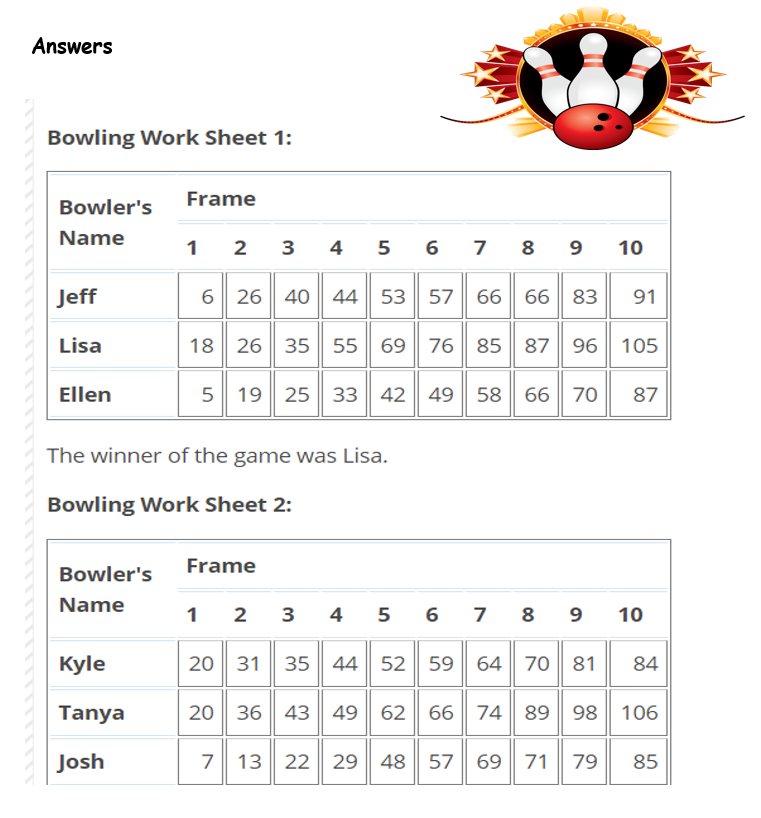
A game of bowling has 10 frames.
Ever wondered how many chances you get to knock down those pins? The question of how many frames are in a game of bowling often pops up for newcomers and even casual players. The game is quite simple in its structure, but knowing the rules and the frame system is key to fully enjoying the experience. So, let’s dive into the structure and find the answer.
Each game provides a set number of opportunities to score. This fixed format makes bowling easy to follow and compare games. Understanding the frame structure ensures you track your progress throughout the game and appreciate the game.

How Many Frames Are in a Game of Bowling?
So, you’re ready to hit the lanes and knock down some pins! That’s fantastic! But before you grab a ball and start throwing, it’s good to know how a game of bowling works. A big part of that is understanding the bowling frame. Let’s talk about how many frames you’ll play in a typical game. In short, a standard game of bowling always consists of 10 frames. But there’s more to it than just that number. Each frame is like a mini-game within the larger game. Let’s explore each of those frames in details.
Understanding a Bowling Frame
A bowling frame is the basic unit of scoring and play in bowling. Think of it as one turn to try and knock down all the pins. In each frame, you get up to two chances to knock down all ten pins. It’s your chance to show off your bowling skills. Now, these two chances aren’t always guaranteed, and we’ll talk about why shortly. Knowing what happens in each frame is crucial to understand the game and its scoring system. Each frame is independent of the others in that the outcome of one frame typically does not directly affect the next frame except for the tenth frame. However, the score of each frame does affect the overall game score.
The Structure of a Standard Bowling Game
As mentioned earlier, there are always 10 frames in a game of bowling. Let’s explore this structure a little more. Each of these ten frames has its own little rules and scoring possibilities. We will also take a look at the scoring.
The First Nine Frames
The first nine frames are identical in terms of the rules for play. In each of the first nine frames, you will bowl the ball up to two times. You will have your first attempt to knock down all ten pins. If you knock all the pins down on the first try, it’s called a strike, and you don’t get a second try. If you do not knock down all ten pins on your first try, you will get a second chance to knock down the remaining pins. If you knock down all the remaining pins on your second try, it’s called a spare. If you do not knock all the pins down with either of your attempts, this is called an open frame.
The Tenth Frame – The Exception
The tenth frame is a little different and creates some extra excitement. This is where you might be able to gain some extra points that you couldn’t gain in the first nine frames. In the tenth frame, if you bowl a strike, you get to take two more shots in the same frame. So you would bowl your initial strike and you would then bowl two additional attempts. These two extra attempts would contribute to your score for the tenth frame. If you bowl a spare in the tenth frame, you get one additional bowl. So you would bowl your first attempt, then bowl a second attempt to clear any remaining pins and then bowl a third attempt to score extra points on your tenth frame. This extra shot can allow for a greater overall score for the tenth frame.
Scoring in Each Frame
The scoring in bowling might seem tricky at first, but it becomes easier once you get the hang of it. Each frame can lead to different scoring, so let’s dive into that.
Strike
A strike happens when you knock down all ten pins with your first ball in a frame. This is marked on the score sheet with an “X” in the little square in the top left corner. The score for a strike isn’t just the 10 pins you knocked down. Instead, it includes the number of pins knocked down on your next two throws. So, you have to wait until your next two bowls to calculate the score of a strike. It is important to understand the additional points you can receive from a strike and how it affects your score. In terms of points, each strike is worth ten points, plus your next two bowls.
For example:
- You bowl a strike in frame one.
- In frame two, you bowl a 4 and a 3 for a score of 7.
- Your score for the first frame is 10 points for the strike plus 4 and 3 from the next two bowls for a total of 17 points.
- Your total score after frame two is 17 + 7 for a total of 24.
Spare
A spare occurs when you knock down all ten pins using both of your balls in a frame. This is marked on the score sheet with a “/” in the little square in the top right corner. Like a strike, a spare is also worth more than 10 points. With a spare, the score includes the number of pins you knock down with your next ball. After a spare, you have to wait for your next throw to calculate the final score. Understanding the rules of spare scoring is essential for scoring well.
For example:
- You bowl a spare in frame one.
- In frame two, you bowl a 6.
- Your score for the first frame is 10 points for the spare plus the 6 pins from the next bowl for a total of 16 points.
- Your total score after frame two is 16 + 6 points for the next ball, plus whatever you get on the second ball in frame two.
Open Frame
An open frame means you did not knock down all ten pins in a frame. This is marked on the score sheet by simply recording the number of pins you knocked down on each of your attempts. There are no bonus points for an open frame, it is simply the pins you managed to knock down. Open frames can negatively affect your score. You should try to avoid them by getting as many strikes and spares as you can.
For example:
- You bowl a 4 and a 3 in frame one.
- Your score for frame one is simply 7 points.
Scoring Table Example
Here’s a table to illustrate how scoring might work in a typical game:
| Frame | First Ball | Second Ball | Third Ball | Frame Score | Total Score |
|---|---|---|---|---|---|
| 1 | Strike (X) | 20 | 20 | ||
| 2 | Strike (X) | 24 | 44 | ||
| 3 | 8 | 2 (Spare /) | 15 | 59 | |
| 4 | 5 | 2 | 7 | 66 | |
| 5 | 7 | 3 (Spare /) | 13 | 79 | |
| 6 | 3 | 5 | 8 | 87 | |
| 7 | Strike (X) | 20 | 107 | ||
| 8 | Strike (X) | 20 | 127 | ||
| 9 | 8 | 1 | 9 | 136 | |
| 10 | Strike (X) | Strike (X) | 7 | 27 | 163 |
Note: This table is an example of a single game, and scores will vary widely from game to game.
Why 10 Frames?
You might be wondering, why exactly ten frames? There’s no simple answer, but it’s become the standard over many years of bowling. Ten frames provide a good balance between being a manageable length of game and providing sufficient opportunity for strategy and skill. This ten frame format allows for a wide range of scoring outcomes and it also provides a fun and engaging bowling experience. The tenth frame provides an additional layer of interest that keeps the game exciting all the way to the final bowl. This is what makes the game fun and easy for all skill levels.
Variations in Bowling
While the standard game always has 10 frames, some variations exist. These variations will typically involve a different number of games, a different number of people playing a single game, or different rules of play. But the number of frames in an individual game typically always remains at ten. These variations will often have unique rules and formats. However, the core idea of a single game will remain the same. Here are a few other variations:
Ten-Pin Bowling
This is the most common type of bowling and follows the 10 frame format. It is also the version we have been discussing throughout this article. The rules and scoring that we have described are the rules that apply to ten pin bowling. This version of bowling will always have ten frames. It is very important to note that other versions of bowling may not have ten frames.
Nine-Pin Bowling
Nine-pin bowling is another bowling game that involves 9 pins instead of 10. Although these games are different in terms of rules, play, pins, and scoring they both usually involve ten frames in a single game. Nine-pin bowling games can sometimes contain a different number of frames, but the standard game will always include 10 frames.
Candlepin Bowling
Candlepin bowling is another popular type of bowling, but this one uses smaller, thinner pins and smaller balls. This version of bowling is most often found in eastern Canada and the northeastern United States. While this version of bowling varies greatly from ten-pin bowling, a standard game will also include 10 frames.
Duckpin Bowling
Duckpin bowling uses smaller balls and smaller pins that have a similar shape to a duck. Like the previous versions, duckpin bowling uses 10 frames. These are just a few of the variations of bowling. Although different, most of these variations will use a ten frame format.
Frames, Strikes, and Spares: Key to Bowling
Understanding frames, strikes, and spares is very important for anyone wanting to learn the game of bowling. A single game will always include ten frames. In each of these ten frames, there are two opportunities to knock down all ten pins, except for when you get a strike. A strike occurs when you knock down all ten pins with your first attempt, this will end your turn in that frame. A spare occurs when you knock down all ten pins, but you use two attempts. An open frame is when you do not clear all ten pins in your two attempts. Each frame contributes to the total score, and your score will be determined by how many strikes, spares, and open frames that you accumulate.
Now you know that a game of bowling consists of 10 frames. Each frame represents an opportunity to score points, and each is an opportunity for you to display your bowling skills. So next time you hit the lanes, you can now keep track of each frame and try your best to knock down all of the pins. Have fun and enjoy the game!
Scoring Bowling
Final Thoughts
A standard game of bowling always includes ten frames. Each frame provides the bowler an opportunity to knock down pins. Understanding that there are always ten frames is crucial to scoring and strategy.
Therefore, knowing how many frames are in a game of bowling is the foundation for playing. It dictates the length and flow of any match.

