
High school football teams typically play 10 regular season games.
Ever wondered how many games do high school football teams play each season? It’s a question many fans, players, and parents have. The schedule might seem long, especially during the fall months.
These games are critical for playoff contention. Teams work hard all season, hoping to make the playoffs. The excitement surrounding each game builds, making high school football a key part of the local community.

How Many Games Do High School Football Teams Play?
So, you’re curious about how many times high school football teams lace up their cleats and hit the field each season? It’s a great question, and the answer isn’t always the same across the board. It depends on a few different things, making it a little more interesting than a simple number. Let’s dive into the world of high school football schedules and see what makes them tick.
The Standard Regular Season
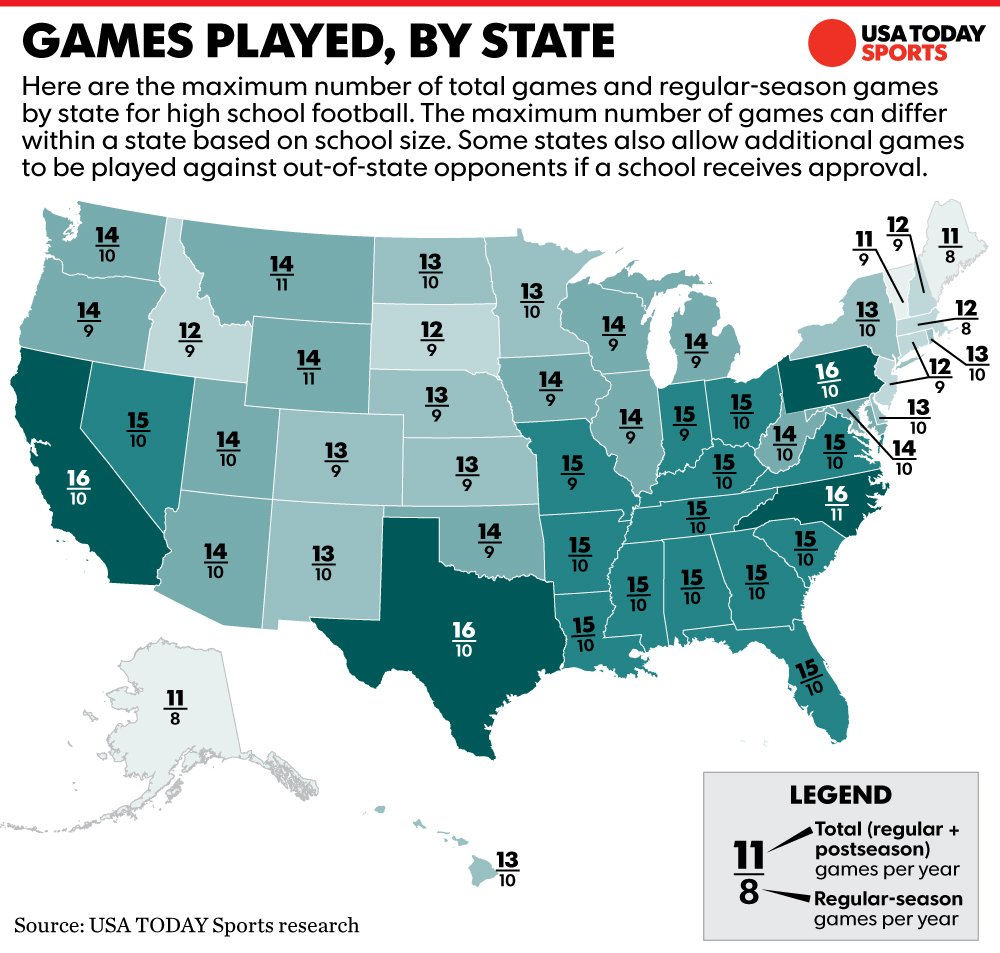
Most high school football teams play a regular season of about 9 to 10 games. This is the foundation of their season and it’s when they try to prove their skills and rack up wins. Think of it like the school year – there’s a set beginning, middle, and end, with key checkpoints throughout.
Why 9 or 10 games? Well, a lot of it comes down to how much time there is in the school year, and how often these young athletes should be playing. Playing every week can be tough on a player’s body, so keeping the schedule to around 9 or 10 games helps make sure they are healthy and ready for each game.
Understanding the Schedule Length
The length of the regular season allows enough time for preparation, travel, and game days. It also allows for a build up to what we call the playoffs. These games are often played on Friday nights and are a great source of entertainment for the students, their families, and the community.
These regular season games are super important because they determine whether a team gets a chance to play in the post-season.
The Post-Season: Playoffs
For teams that perform well in the regular season, the journey doesn’t stop at 9 or 10 games! They get to participate in the playoffs. The playoffs are like a tournament where the best teams from different areas compete to be crowned the champion.
How Many Playoff Games?
The number of playoff games a team plays varies. It depends on their success in each round. If a team wins their first playoff game, they advance to the next. They play until they lose a game, or until they win the championship. For some lucky teams, this could mean adding another three, four, or even five games to their season!
Here’s a simple way to think about playoff games:
- Round 1: Playoff Game 1
- Round 2: Playoff Game 2 (if you win Game 1)
- Round 3: Playoff Game 3 (if you win Game 2)
- And so on, until the championship
So, a team that makes it to the championship could play as many as 14 or 15 games in total during the entire season.
Factors That Influence Game Schedules
Several factors play a role in deciding how many games a high school football team plays. These factors aren’t always the same for every school, which means a team’s schedule might look a little different each year.
State Athletic Associations
State athletic associations are like the rule makers for high school sports. They set guidelines for game schedules, playoff brackets, and eligibility rules. These associations make sure things are fair and safe for all student-athletes.
For example, these associations often specify the maximum number of games a team can play in a season. They also help to organize the different divisions and classifications which ensures that schools of similar sizes play against one another.
School Size and Classification
The size of a school and its athletic classification can impact the number of games played. Larger schools with more student-athletes often participate in leagues with more teams, which can lead to slightly longer schedules.
Smaller schools might have smaller leagues with fewer schools and fewer games. Schools are typically grouped into classes based on their enrollment size. This system is designed to create a more balanced and fair playing field.
League and Conference Affiliations
High schools belong to different leagues or conferences, and these affiliations also play a role in the schedule. The structure of these leagues can mean different numbers of conference games for each team. Some leagues might have round-robin schedules, where each team plays every other team once. Others may have a divisional system.
The conference schedule helps determine who makes it to the playoffs.
Scheduling Considerations
Putting together a football schedule is like doing a big puzzle. There’s travel, school events, holidays, and other things that need to fit into the schedule. Athletic directors and coaches have to plan travel times, rest days for the players, and even make sure fields are available for games. All these small details help make sure the football schedule is well organized. They also need to consider the other high school sports so there aren’t scheduling conflicts.
Sometimes games get moved around because of weather or other issues. It can be hard to make a perfect plan, but coaches, athletic directors and state organizations try to make it work as best as they can.
Pre-Season Scrimmages
Before the official season starts, many teams have pre-season scrimmages. These are practice games that don’t count towards their official record. They are an important part of preparing for the real season. Scrimmages are a great opportunity to test skills and game plans against another team without any real pressure.
Think of these scrimmages as dress rehearsals. They allow coaches to get an idea of their team’s capabilities. It also allows them to identify any areas that need more work before the regular season games.
Holiday Tournaments and Special Games
Occasionally, some teams might participate in special holiday tournaments or special rivalry games. These extra games are not part of the normal schedule. These games add some extra excitement to the season but also require extra planning and effort from the teams and the school administration. These games sometimes happen over Thanksgiving or other holiday breaks.
A Closer Look at Game Day
Let’s look at what a typical high school football game day looks like. It’s more than just showing up and playing a game. The planning and preparation that goes into the day makes sure that things run smoothly. High school football games are a great way to bring the community together.
Pre-Game Preparations
Players spend most of game day preparing both mentally and physically. This may include team meetings, review of game plans and warm ups. Coaches are also working on last minute game plans and making sure everything is in place for the day.
The Game Itself
The game is divided into four quarters, usually 12 minutes each. This is when the players show all the hard work they have put in. The game has a halftime where the players take a break and discuss game strategies.
Post-Game Activities
After the game, teams have a debriefing period to review what happened in the game and plan for the next game. Win or lose, they use the opportunity to learn and improve. These debriefings can include film reviews, strategy sessions and a whole host of other things to prepare for the following game.
The Importance of a Well-Structured Season
Having a well-organized football season is not just about the games themselves. It’s about creating a great experience for the players, coaches, and the entire school community. A well-structured season promotes physical health, team work and fair play. It also helps young athletes develop time management skills and team collaboration, which are very important as these young athletes move through life.
Balancing Academics and Athletics
Student athletes have a lot to juggle. They need to balance their football commitments with their academics. High school athletic programs are there to help support this balance. They make sure that the athletes get proper study time and tutoring to make sure they are performing well on and off the field.
A good schedule makes sure that the players aren’t spending too much time on athletics and neglecting school. It also makes sure that they are performing well in their studies and their sports. Finding that balance is key for student athletes.
Ensuring Player Safety
Player safety is important. Game schedules are designed with this in mind. Teams aren’t supposed to play too many games in a row, because this can be dangerous. The rules and regulations made by the athletic associations often include rules on this to ensure the safety of the players. Safety is not only in game time but it also include proper nutrition, adequate hydration and injury prevention methods to keep the players safe.
Variations Across States
While the general structure of high school football seasons is consistent across the country, there are always some small differences. These variations often depend on location, school size, and the specific rules set up by each state athletic association.
Different State Rules
The specifics of a football season can vary from state to state. Some states have specific time limits for games and may have more or less playoff rounds. The rules for each state athletic association help provide some consistency across that specific state, while also recognizing the unique challenges of that particular state.
Geographical Differences
The different climates and geography of a state can also affect the schedule. For example, schools in northern states that experience winter might have shortened seasons. This is unlike states in the south where it’s warm for most of the year.
In Conclusion
So, how many games do high school football teams play? The simple answer is typically 9 to 10 in the regular season, with the possibility of additional playoff games. The exact number can depend on the school’s size, its conference, and how well they perform. It’s a structured system designed to provide student-athletes a valuable learning and competitive experience while also ensuring their health and safety. The schedule is part of a larger system that includes travel, team meetings, strategy sessions and game plans to prepare for every aspect of the game.
How Much Money Do College Football Teams Make Their School?
Final Thoughts
Most high school football teams play a regular season of about 10 games. This number can slightly change depending on the state and league rules. Playoff opportunities can extend the season for successful teams.
So, how many games do high school football teams play? The regular season usually comprises of ten games. Postseason victories can add additional games to the schedule. The total number of games ultimately varies.

