
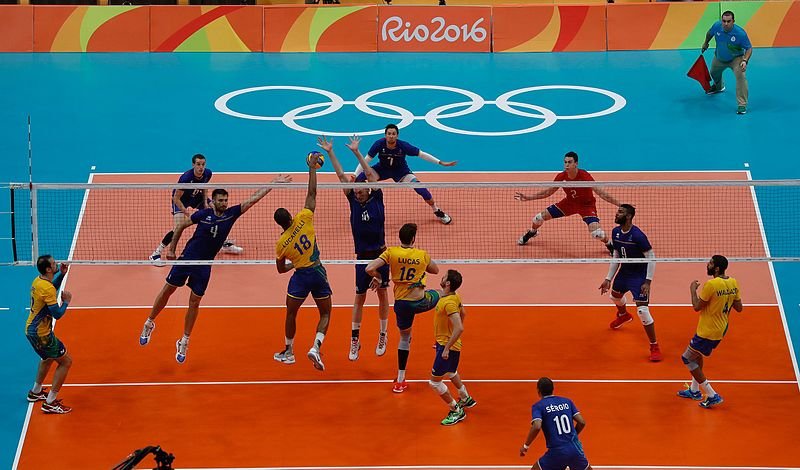
In a standard volleyball match, teams play a best-of-five series; therefore, a match consists of up to five games.
Ever wondered about the structure of a volleyball game? Many new fans often ask, how many games in volleyball match. It’s a great question that helps understand the excitement!
The core idea behind it lies in the ‘best-of-five’ format. This implies that the first team to win three games claims victory in the whole match, making each game very crucial.
Knowing this structure adds greatly to the enjoyment of the sport. It makes sure every serve, spike, and block carries significant weight.

How Many Games in a Volleyball Match?
So, you’re curious about how many games are in a volleyball match? It’s a great question! The answer isn’t always a simple number, because it can change depending on the level of play and the rules being used. Let’s dig into the details so you’ll know exactly what to expect when you’re watching or playing a game of volleyball.
The Basics: Sets, Not Games
First off, instead of “games,” volleyball uses the word “sets.” Think of sets like individual mini-matches that add up to a full volleyball contest. A team needs to win a certain number of these sets to win the entire match. It is very important to know the difference between these two terms for a better understanding of the game.
The most common format, especially in high school, college, and professional volleyball, involves playing the best of five sets. This means the first team to win three sets wins the whole match. Imagine it like a race to three – first one there takes home the victory.
Understanding the Best-of-Five Format
Let’s break down a best-of-five set match:
- Sets 1-4: These sets are usually played to 25 points, and a team must win by at least 2 points. So, if the score gets to 24-24, the game continues until one team has a two-point advantage like 26-24 or 27-25.
- Set 5 (If Needed): If the match is tied at 2-2 after the first four sets, then a fifth and final set is played. This set is shorter, typically played to 15 points, and still requires a two-point advantage to win.
Here’s how that might look in a real match:
| Set | Team A Score | Team B Score | Winner |
|---|---|---|---|
| 1 | 25 | 20 | Team A |
| 2 | 22 | 25 | Team B |
| 3 | 25 | 18 | Team A |
| 4 | 23 | 25 | Team B |
| 5 | 15 | 12 | Team A |
In this example, Team A won the match because they won three sets first.
Variations in the Number of Sets
While best-of-five is the standard for many levels, it’s not the only way volleyball matches are played. There are other common formats, especially in more casual or beginner situations.
Best-of-Three Set Matches
Sometimes you might see a best-of-three set match, especially in younger age groups, some recreational leagues, and preliminary rounds of tournaments. Here, the first team to win two sets wins the match. The sets still have the same point rules (usually to 25 with a two-point advantage), but there is no fifth set.
This format helps make matches a bit shorter and quicker.
Other Less Common Formats
While best-of-three and best-of-five are the most frequently used formats, a few less common alternatives can pop up from time to time.
- Single Set Matches: You may find a single set match used for warm-ups or in some very casual play scenarios. In this format, there is only one set, and the first team to reach a designated number of points wins the match. This could be to 25 or even a lower number such as 15.
- Timed Matches: Sometimes, particularly in recreational leagues or tournaments with tight schedules, matches are played for a set amount of time rather than to a set number of points or sets. In this format, the match is played for the designated time and whoever has the most points when the time runs out, wins. This kind of match might use either a single timed set or a best-of-three or five format, with the timer stopping play once the set time is reached, regardless of the score at that moment in that set.
Understanding Point Systems
Now that we know about the number of sets, it’s important to also understand the basic scoring rules. Whether it is a best-of-three or best-of-five, the way points are scored usually remains the same.
Rally Scoring
Volleyball uses something called rally scoring. This means that every time the ball is served, a point is awarded, no matter which team served. In the past, you would have had to serve a ball to win a point, which meant games could go on for very long times. Rally scoring was implemented to make the game more exciting and to streamline the length of matches.
- Scoring in the first four sets: The first team to score 25 points, with a two-point lead, will win that set.
- Scoring in the final set: In the final set, which is set 5 in a best-of-five format, the team that scores 15 points first, with a two-point lead, will win the set.
Two-Point Advantage Rule
The two-point rule in volleyball is very important. It prevents sets from dragging on forever if the scores are close. If the score reaches 24-24 in the first four sets or 14-14 in the fifth set, play continues until one team leads by two points.
This can lead to some very exciting extra points being played to decide the set winner!
Factors Influencing the Number of Sets
Several factors can influence the number of sets in a volleyball match.
Level of Play
The skill level and age group of the players often determines the format. Younger players or more casual leagues might opt for best-of-three matches to keep things moving faster, while higher-level play uses best-of-five sets to fully showcase team skill and endurance.
Tournament Rules
Different tournaments will set out their rules in advance, which can vary a lot. Some tournaments might favor best-of-three for the preliminary rounds, then switch to best-of-five for the final stages, so that all teams get as much play time as possible before elimination stages begin. Be sure to check tournament rules for the exact setup.
Recreational vs. Competitive Play
Recreational play often uses a more relaxed format, which can mean best-of-three sets or even shorter matches, to make sure everyone has a good time without too much time commitment, while competitive formats almost always involve best-of-five set matches to really test the skills and strategies of teams.
Why these Different Formats Exist
The different formats of volleyball exist to accommodate the wide variety of players, age groups, and circumstances where it is played. Having these different options is very beneficial to the game of volleyball.
Promoting Engagement
Shorter matches, like best-of-three, make the game more accessible and engaging to beginners. They also allow for more matches to be played within a set timeframe. This can help maintain enthusiasm and interest in the sport, and reduce the likelihood of overexertion.
Accommodating Different Time Frames
The best-of-three format is a great way to fit volleyball into tighter time schedules. This is very useful for leagues or tournaments that have a lot of matches to play within a limited timeframe. The variation in formats allows tournament organizers to accommodate different playing scenarios.
Testing Skill and Endurance
Best-of-five matches, on the other hand, are very useful at the higher levels of volleyball. They test not just the team’s skills, but also their endurance, mental toughness, and ability to adjust throughout a long match. The length of the match also allows for more strategic planning to be used during gameplay.
Keeping Track of the Score and Sets
Keeping track of the sets and scores during a match is very important. Whether you are a player, coach, or spectator, knowing the score allows for better participation and understanding of the match as a whole.
Official Scorekeepers
Most competitive matches use official scorekeepers to keep track of the sets and scores. The scorekeeper maintains the official score sheet, which keeps track of each point, set, and the current score of both teams. This can be either a paper score sheet or an electronic system.
Scoreboards
Many volleyball venues have electronic scoreboards which are updated either by a scorekeeper or automatically through electronic systems. The scoreboard typically shows the current set being played, the current score in the set, and how many sets each team has won.
Informal Scorekeeping
In recreational games, scorekeeping might be less formal. This can be done by anyone on either team, and is frequently recorded using a piece of paper, or even just by calling out the score during the game. However, it is still crucial to keep track of the score to make sure the game is fair.
Strategies Related to Number of Sets
The number of sets in a volleyball match directly affects strategies. Here is some important information about these strategies.
Pacing and Energy Management
In longer, best-of-five matches, teams need to think about pacing and energy management, which are crucial to winning the match. The length of the match will mean that they will have to strategize about rotating their players.
Making Adjustments
In best-of-five matches, there is also more time to make adjustments. If one team is losing, they can make changes to their formation, rotation, or strategy in order to get back on track. This is a valuable skill in longer matches.
Focus and Concentration
Regardless of the number of sets in a match, teams must stay focused and concentrate throughout the game. Losing focus at the end of a set or match can be very detrimental, and being able to stay mentally strong through the whole game is a great skill.
Tips for Players and Spectators
Now that we have looked at the details of the number of sets, let’s discuss some tips that could help both players and spectators.
For Players
- Know the Format: Before you start playing a match, make sure you know the format you will be playing. Know if it is best-of-three or best-of-five, and what the point rules are.
- Warm-up Properly: Be sure to warm up well before each match. This will help prevent injuries and allow you to play at your best, no matter how many sets there are.
- Stay Hydrated: Make sure you have plenty of water available, no matter how many sets you are playing.
- Communicate: Communicate with your team throughout all of your sets so you can be as successful as possible.
For Spectators
- Understand the Rules: Understand the number of sets and the scoring system to fully enjoy the matches.
- Cheer Responsibly: Be supportive of your team, but always be respectful of the players, officials and other spectators.
- Enjoy the Game: Volleyball is a very exciting sport, so sit back and enjoy the match!
Understanding the rules about how many sets are in a volleyball match is a very important part of playing or watching the game. While the best-of-five format is most common in competitive settings, variations in the number of sets are quite normal. Whether you are a player or a spectator, knowing the rules can help you to make the game more enjoyable. Now that you have learned all of the information that you need to know, you are well equipped to better understand the rules of volleyball matches.
Longest Point Ever!?!?!?!? | Big Ten Volleyball
Final Thoughts
Volleyball matches typically consist of sets, not games. Most matches are best-of-five, meaning a team needs to win three sets to win the match. Sometimes, you might see best-of-three matches, requiring two set wins.
The number of sets played directly impacts the overall length of a match. Understanding how many games in volleyball match is essential for viewers. This directly affects your expectation of total match duration.
The standard for most competitive volleyball involves playing three out of five sets, but variations do occur.

