
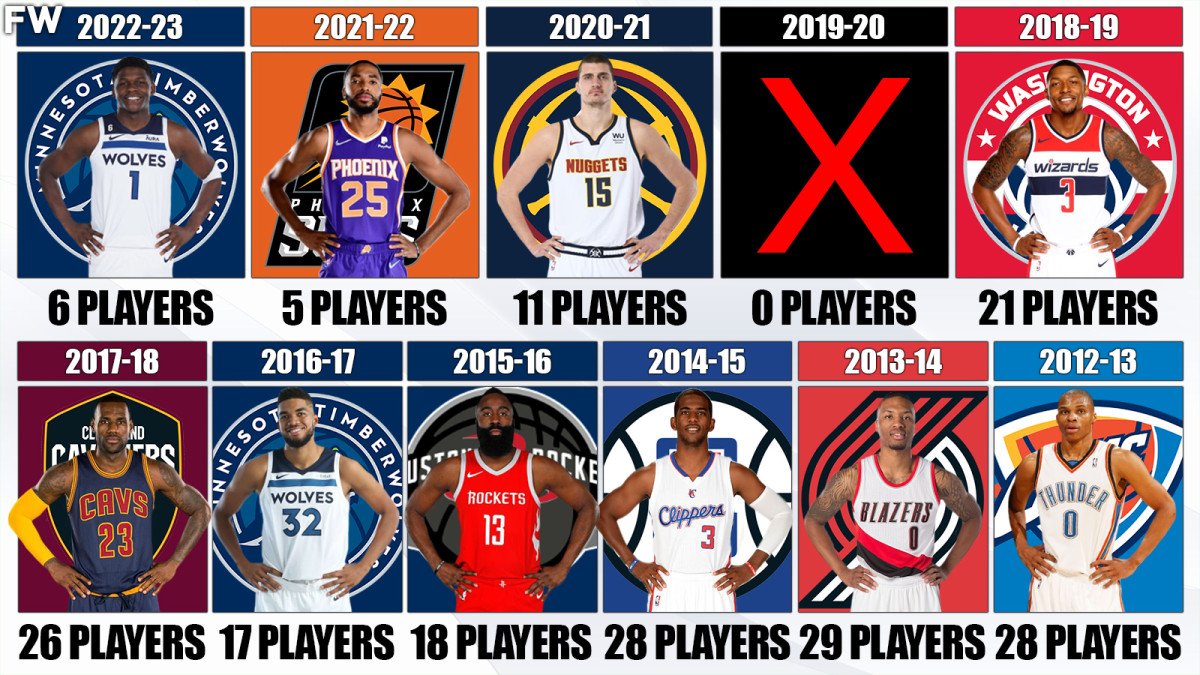
Each NBA team plays 82 regular season games.
Ever wondered about the sheer number of contests that make up a full NBA season? The question of how many games played in nba comes up frequently. It’s quite a commitment for both the players and the fans alike.
The regular schedule involves a lot of traveling and a ton of basketball. Teams go head-to-head multiple times. It sets the stage for the playoffs.

How Many Games Played in NBA: A Deep Dive
The National Basketball Association, or NBA, is a league loved by millions around the globe. One common question that fans often have is about the schedule: “How many games do teams actually play?” It might seem simple, but there’s a lot to know about the NBA’s game count. Let’s jump in and explore everything about the number of games played in a regular NBA season and beyond.
The Regular Season Game Count
The main part of the NBA season, known as the regular season, is where teams play a set number of games to compete for playoff spots. For many years, every NBA team has played 82 regular season games. That’s a lot of basketball! This number hasn’t always been the same, though, and it’s important to understand how it all works.
Why 82 Games?
The 82-game schedule helps to ensure a balanced and competitive season, providing enough games to gauge team performance fairly. It allows teams to face each other a decent number of times, taking into account factors such as travel distance and stadium availability. While some consider this number to be excessive, this model has been in place since 1967-68, and it’s what most NBA fans have come to expect.
How the 82 Games are Divided
The NBA uses a specific formula for how teams match up during the regular season. Here’s a breakdown:
- Four games against each team within their division: This means a team will play every other team in its division four times each year. For example, the Los Angeles Lakers play the Los Angeles Clippers, Phoenix Suns, Golden State Warriors and Sacramento Kings four times each season.
- Four games against six teams from the other two divisions in their conference: Teams play six other teams in their conference four times.
- Three games against the other four teams from the other two divisions in their conference: And finally, teams will play the remaining four teams from those two divisions three times.
- Two games against all teams in the opposite conference: Each team plays every team in the other conference twice—once at home and once on the road.
This balanced approach ensures that teams see a good mix of opponents from within and outside their conference. This means that within their conference, teams play a minimum of three and a maximum of four times, and in the other conference, it’s a fixed two games per opponent.
The NBA Playoffs: Additional Games
Once the regular season wraps up, the top teams advance to the NBA playoffs, a tournament where the best teams from each conference compete for the NBA championship. The games played during the playoffs add up quickly!
Playoff Structure
The playoffs have a bracket system that narrows the field as teams are eliminated in each round. Here’s how it generally works:
- First Round: The top eight teams from each conference face each other, with the top seed playing the eighth seed, the second seed playing the seventh seed, and so on.
- Conference Semifinals: The winners of the first-round series advance to the conference semifinals.
- Conference Finals: The winners of the conference semifinals move on to the conference finals.
- NBA Finals: The two remaining conference champions battle it out in the NBA Finals for the championship trophy.
Number of Playoff Games
Each series in the playoffs is a best-of-seven series. That means the first team to win four games wins the series. A series can last anywhere from four games (if one team sweeps) to seven games (if it goes the distance). Therefore, the number of playoff games a team plays will depend on how far they progress. The minimum number of playoff games a team can play is zero and the maximum is 28 (if a team goes to seven games in every round of playoffs).
- Minimum Games Played in a Playoff Run: If a team is swept each round, they play only four games in each series, making it a minimum of 16 games.
- Maximum Games Played in a Playoff Run: If a team goes to seven games in every round, they would play a total of 28 games to win the championship.
This playoff structure can extend the NBA season significantly. As the stakes are higher, the intensity and excitement of each game intensifies.
Factors Affecting Game Schedules
While the 82-game regular season is standard, there are factors that can influence the exact schedule of games. These factors ensure a season as smooth as possible.
Travel and Rest
The NBA is aware that travel can be taxing on players. The league attempts to balance the schedule, trying to limit teams from playing multiple games in a row on the road. The scheduling will try to minimize long stretches of away games to give players more time for rest and recovery. The schedule takes into account the long distances that some teams need to travel to make playing the games easier.
Arena Availability
Many NBA arenas also host other events, such as concerts and other sporting competitions. The NBA must work around the schedules of those other events when making their schedule. Sometimes, if an arena isn’t available due to a conflict, teams might have to play away from their usual home court or even play a back-to-back.
National and Holiday Games
Certain days are special for the NBA. The league features marquee matchups on Christmas Day, Martin Luther King Jr. Day and other days when many fans are watching. These games can influence the overall scheduling pattern. These games tend to be between popular teams or those with big rivalries and are a big part of the NBA season.
The In-Season Tournament
The NBA introduced an in-season tournament in the 2023-2024 season, and this added to the number of games played by teams. This tournament will occur in November and is part of the regular season.
How It Works
Teams are grouped into pools, and each team plays four games. Eight teams advance to the knockout stage, leading to single-elimination games that decide the tournament winner.
Tournament Games Impact
The In-Season Tournament impacts the number of games a team plays. Depending on the team’s progress, a team can play 1-3 additional games, which are still part of the regular season schedule. These games count towards their regular season record.
Historical Changes to Game Counts
The NBA’s 82-game schedule wasn’t always a constant. Over the years, it has varied as the league adjusted and changed. Before the 1960’s, the schedule consisted of 72 games and then increased to 78 games for a few years. Let’s explore these changes.
Early NBA Years
In its early years, the NBA had a fluctuating number of games each season. The schedule was much shorter, and there weren’t as many teams. The league needed to adapt and grow, which led to changes in the schedule.
Expansion and Adjustments
As the NBA grew and more teams joined, the game count was increased to accommodate them. The NBA has continued to look at what is best for the players and fan base when choosing how many games to play. The 82-game model was settled on to create a balance of player rest, and exciting gameplay.
Impact of Game Count
The number of games a team plays has a large impact on the players and the league overall.
Player Endurance and Injuries
Playing 82 games per season, along with playoffs, requires a lot from athletes. Players need to be in top physical condition to perform their best. Sometimes, long seasons can lead to more injuries. The NBA takes player health very seriously, and the league tries to ensure player safety as much as possible.
Team Strategies
The large number of games each year means teams need to strategize. They have to think about how to manage their players’ time on the court, which means they need to know when to use their best players and when to give them time off. Teams often change their lineups and playing style depending on how far they are into the season. The coaches and coaching staff have a major role in team success.
Fan Engagement
The numerous games throughout the season provide ample opportunities for fans to watch the sport they love. Fans look forward to seeing their favorite teams play, and they plan their time to watch as much basketball as possible. The high volume of games provides entertainment for fans and is a major part of the overall excitement for each season.
Future Possibilities for Game Counts
As the NBA evolves, it’s natural to think about whether the number of games will remain the same. The league is always looking for ways to improve. The NBA is always seeking ways to enhance the sport for the players and the fans.
Potential for Reduction
Some discussions have included lowering the number of games to reduce player fatigue and potential injuries. This change is something some people think about because of the long regular season. The NBA is always finding ways to enhance player safety and increase competition.
Other Formats
The NBA may consider other variations of the game schedule in the future. They may think of ways to keep the overall number of games similar, but make them more engaging or balanced. This is still all just speculation, but changes could happen as time goes on.
In conclusion, the 82-game regular season in the NBA, along with the playoffs, creates a full season of exciting, competitive basketball. The number of games, structured around a balanced set of matchups and considerations for players, teams, and fans, defines the season each year. With potential future changes and the newly added in-season tournament, the NBA continues to evolve and keep fans captivated.
How Many Games Are Played In NBA Playoffs? – The Basketball Xpert
Final Thoughts
An NBA season features 82 regular season games for each team. The playoffs involve multiple series, adding to the total games played. Each team plays a significant number of matches.
How many games played in nba overall? This number varies based on how deep a team goes into the post-season. Therefore, the total game count is season-dependent.

