
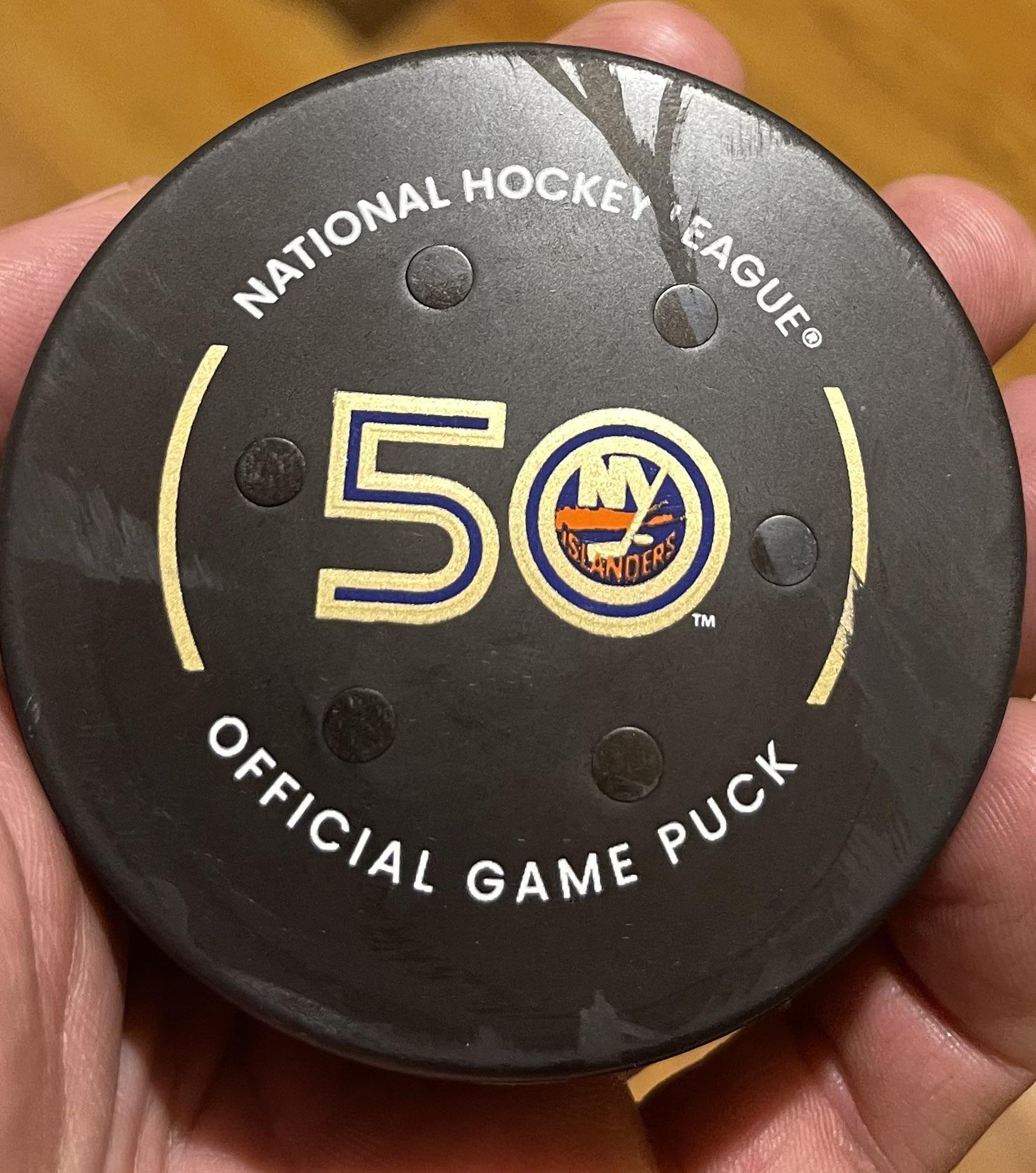
Between 60 and 80 hockey pucks are typically used in an NHL game.
Have you ever wondered just how many of those black discs fly around during a fast-paced NHL match? It’s a common question that often pops up: how many hockey pucks are used in an nhl game?
The answer might surprise you; the number isn’t a static figure. Teams prepare a large supply for each game. Several factors affect the exact quantity used.

How Many Hockey Pucks Are Used in an NHL Game?
Ever watched an NHL game and wondered just how many of those little black discs get tossed around? It’s not as simple as one puck per game, that’s for sure! We’re going to dive deep into the world of hockey pucks and explore why so many are needed, how they are prepped, and what happens to them after they leave the ice. It’s a whole lot more than you might think!
The Need for Multiple Pucks
Why can’t just one puck do the job? Well, think about it for a second. Hockey is a fast-paced, high-impact sport. Pucks take a serious beating! They are constantly slammed against the boards, smacked with sticks, and even get lost in the stands. Here are the main reasons why many pucks are needed in a single game:
- Game Play Damage: Pucks can get nicked, chipped, and cracked. These imperfections can affect how they glide across the ice and make them unsafe to play with. A damaged puck might not travel straight or could even shatter, creating a potential hazard for the players.
- Temperature Changes: Pucks are made of vulcanized rubber, and temperature can impact their performance. As they get warm during play, they can become bouncier and more difficult to control. Referees will replace a puck if it feels too warm.
- Pucks Leaving the Play Area: Sometimes, pucks get shot out of the rink, landing in the stands or elsewhere. Once a puck is out, it’s typically not returned to the game. This happens quite a lot, especially when you see those powerful slapshots that go wide of the net.
- Puck Freezing Process: To help maintain a consistent playing surface, the used pucks are always replaced with frozen ones. This means that the pucks have to be swapped out often.
The Pre-Game Prep: Freezing Pucks
Before the game even starts, NHL staff are hard at work getting the pucks ready. The most important step is freezing them. Why do they freeze pucks? Here’s the breakdown:
Why Freeze the Pucks?
- Reduce Bounciness: Freezing pucks makes them harder and less bouncy. This allows for a more controlled game, where the puck stays flatter on the ice and is easier for players to handle.
- Consistency: Frozen pucks have a consistent performance during the game. A puck warmed by constant use would be very different. By keeping pucks cold, every puck will respond similarly.
- Safety: Frozen pucks are less likely to shatter and break apart, which creates safer game conditions for the athletes.
The Freezing Process
The freezing process usually begins a few hours before the game. The pucks are placed in special freezers designed to keep them at a consistent temperature, usually around 15 to 20 degrees Fahrenheit (-9 to -7 degrees Celsius). This ensures they are ready for use on the ice. They keep the pucks at a consistent temperature to ensure they are frozen to a particular standard. They are stored in special, cooler boxes that keep them at the perfect temperature before and during the game.
How Many Pucks are Actually Used?
Now for the big question: how many hockey pucks are used in an average NHL game? While there isn’t an exact number, here’s a good estimate:
Estimated Puck Usage
- Average Number: A typical NHL game uses anywhere from 60 to 80 pucks. This is an average, of course, and the number can vary.
- Factors Affecting Usage: The actual number depends on factors like how many times the puck goes into the stands, if the puck gets damaged, or how often the referees change the puck for temperature reasons. If a game has a lot of shots, a lot of zone time in the offensive end, or more penalties that stop play then there is a higher chance of more pucks being used.
- Supply on Hand: Teams typically have over 100 pucks available for each game, just to be sure they don’t run out. Referees will have a dedicated puck bag at each bench that has 25 – 30 pucks ready for play.
It is always better to have more than you need to avoid any delays of game.
Why Such a Big Range?
The variability in the number of pucks used comes down to how the game flows. Here’s a detailed breakdown:
- High-Scoring Games: Games with lots of scoring often result in more pucks used as they get thrown into the stands by the players after scoring.
- Games with Fewer Penalties: Games with many stoppages of play also mean that there will be less pucks used in total.
- Games with many hits along the boards: Hard hits and a lot of battles along the boards cause a higher chance of the puck getting damaged
- Games with shots that go over the glass: If many pucks go out of play during the course of the game then they are removed from play and thus more pucks get used.
Puck Handling During the Game
During the game, there are specific protocols for how pucks are handled. It’s not just a free-for-all!
Referee’s Role
- Puck Management: Referees are responsible for watching the pucks and taking them out of play. They carefully observe them for damage or temperature issues, and quickly replace them with fresh, frozen ones.
- Puck Swapping: Referees will frequently replace pucks, sometimes several times in a single period.
- Maintaining Flow: Referees work to keep the game moving along as smoothly as possible. So, they quickly replace pucks when necessary.
What Happens to Used Pucks?
You might be wondering, what happens to all those used pucks? They don’t just get thrown away!
Pucks Going to the Stands
When a puck leaves the playing surface by going into the stands. It is almost always given to the person who catches it. The person who catches a game-used NHL puck is able to keep it as a souvenir.
Other Used Pucks
- Practice Pucks: Some of the used pucks can be re-used for practice sessions. However, this is only for pucks that are not damaged.
- Souvenirs: Some teams or players might keep game-used pucks as souvenirs or collectibles.
- Recycling: Pucks that are too damaged for play are often recycled. Vulcanized rubber is recyclable, so the pucks do not necessarily have to end up in a landfill.
- Charity Auctions: NHL teams will sometimes sell used pucks at auctions, and the proceeds go towards charity.
The Hockey Puck: A Closer Look
To truly understand why so many pucks are used, let’s take a closer look at what a hockey puck actually is made of:
Construction
- Vulcanized Rubber: NHL pucks are made of vulcanized rubber. This is a process that makes the rubber stronger and more durable. It has also made the puck harder and more resistant to the elements.
- Standard Dimensions: The rules state that hockey pucks must be 1 inch thick and 3 inches in diameter. They should also weigh between 5.5 and 6 ounces.
- Color: Most NHL pucks are black. This makes them easy to see against the white ice.
- Texturing: NHL pucks feature a textured edge that helps the players control them on the ice. This makes the puck easier to handle and improves puck control.
The Impact of Pucks on the Game
The puck may be small, but it is very important to the game. The puck helps make it such a fast paced and enjoyable sport to watch. Let’s look at how important a quality puck is:
Performance and Consistency
- Accurate Passes: A good quality, frozen puck allows for better passing and puck control during the game. This gives players better accuracy and leads to better scoring opportunities.
- Shot Speed: A puck that is the correct temperature will fly much faster off of a players stick. A puck that is too warm will not be able to be propelled at the same speed.
- Overall Gameplay: The consistency of the puck is very important for a good quality game of hockey. Without a well maintained puck, players would not be able to play their best.
Puck Technology: The Future
While most pucks still use traditional methods of construction, the game has seen some innovations in puck technology.
Tracking Technology
- Embedded Chips: Some pucks have a special chip embedded inside. This chip allows for more accurate tracking of the pucks position, speed, and distance.
- Data Analysis: This information can be used by teams and coaches to gain better insights into the game. It can also be used to make the broadcast experience more engaging for fans.
So next time you’re watching a game, remember that each puck has its own little journey and each one is very important to the way the game flows. From the freezer to the ice, they go through a lot! The next time you watch an NHL game, you’ll have a much better appreciation for those little black disks that make the game so exciting.
DIFFERENCE BETWEEN NHL GAME PUCK AND HOCKEY PRACTICE PUCK
Final Thoughts
Typically, NHL games use a considerable number of pucks. Referees often swap them out to maintain optimal playing conditions.
A single game sees around 10 to 15 pucks get used. The cold temperature and constant impacts necessitate the frequent changes.
Therefore, to answer ‘how many hockey pucks are used in an NHL game’, expect a range of 10 to 15, though it might fluctuate slightly.

