
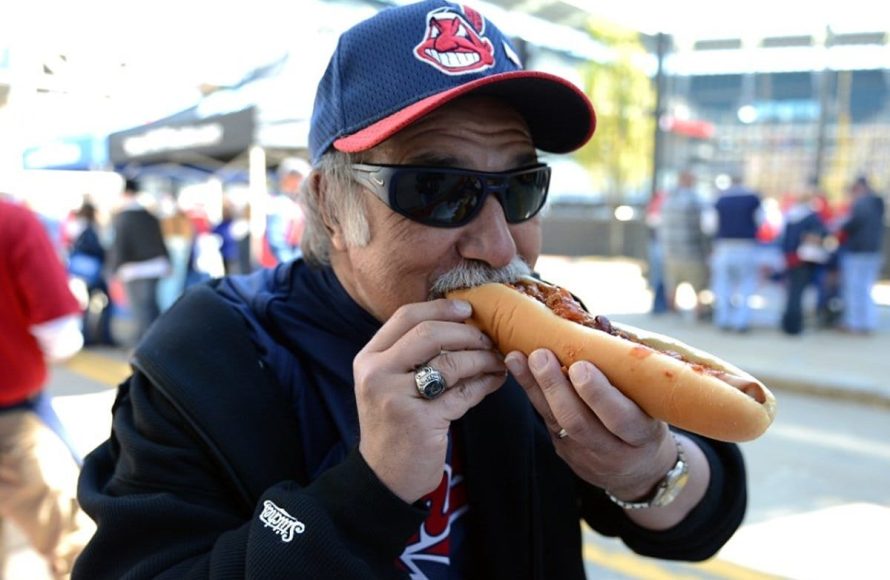
Approximately 18-20 million hot dogs are sold at baseball games in Major League Baseball each year.
Ever wondered about the sheer volume of food consumed during a baseball season? The crack of the bat, the roar of the crowd, and the smell of grilling hot dogs are all quintessential to the baseball experience. But have you ever considered precisely how many hot dogs are sold at a baseball game?
The number is quite astonishing. Each season, millions of baseball fans across the country enjoy this classic ballpark treat, contributing to a massive sales figure. So, the next time you bite into a hot dog, remember you’re part of a delicious tradition.

How Many Hot Dogs Are Sold at a Baseball Game?
Ever been to a baseball game and smelled that amazing aroma of grilling hot dogs? It’s practically part of the experience! But have you ever wondered just how many of those delicious dogs are actually sold at a single game, or even throughout a whole season? It’s a lot more than you might think! Let’s dive into the world of ballpark franks and uncover the meaty details behind this classic stadium snack.
The Great American Ballpark Tradition
Hot dogs and baseball go together like peanut butter and jelly, or perhaps more fittingly, like baseball and a glove! The connection between these two American icons is deeply rooted in history. Way back in the late 1800s, German immigrants introduced frankfurters to the United States, and soon after, they were being sold at baseball games. The convenience of eating a hot dog – it’s portable, affordable, and doesn’t require utensils – made it the perfect ballpark food. Over the decades, the tradition has only grown stronger. For many, a trip to the ballpark isn’t complete without biting into a juicy hot dog. This enduring love affair means that baseball stadiums are major sellers of hot dogs.
Estimating Hot Dog Sales at a Game
Pinpointing the exact number of hot dogs sold at a baseball game is like trying to catch a fly ball in the dark – it’s tricky! There are so many factors that play a role in the daily hot dog count. Let’s explore some key elements that make an impact:
Stadium Size and Attendance
The size of the stadium is a big deal. A larger stadium, like Dodger Stadium in Los Angeles or Yankee Stadium in New York, will generally see many more hot dog sales compared to a smaller, local ballpark. The number of people that attend the game also matters a lot. A game with a high turnout, like a playoff game or a popular rivalry match, will almost certainly result in more hot dog consumption. More people equals more demand for this classic treat. Think about it: if there are twice as many fans, you can expect about twice as many hot dogs sold.
Game Day Factors
The day of the week and the weather can also influence hot dog sales. Weekend games and games on holiday tend to draw more fans, increasing the likelihood of high hot dog purchases. On a beautiful sunny day, more people will likely feel like enjoying a day out at the park, and that often means a hot dog in hand. If the weather is cold, rainy, or unpleasant, fewer people might be willing to brave the elements, and hot dog sales might take a dip. Special promotions and events, such as fireworks or giveaways, also drive attendance, thus boosting sales.
The Competition
Of course, hot dogs aren’t the only food option at the ballpark. Ballparks now provide many options. The competition from other food items, such as pizza, nachos, and various specialty food, can impact the amount of hot dogs sold at the games. If there’s an unusually attractive special being promoted on, say, tacos, some fans might stray from their traditional hot dog choice. But hot dogs, with their long history, will usually maintain a substantial part of the food sales at baseball stadium.
Individual Preferences
It’s not just about the stadium or the game itself but also what people like. Some fans just love hot dogs and will have one every game (or more!). Then you have the fans who might try something else. Personal preference plays an important role. The type of hot dog also matters. There’s the classic all-beef hot dog, there are veggie hot dogs, and so on. The availability of unique toppings also has a part to play. For example, some regions prefer their hot dogs with chili while other like sauerkraut, mustard, or ketchup. Individual choices collectively impact how many hot dogs are purchased at a game.
Average Sales Figures: A Look at the Numbers
While exact numbers are tricky to get (ballpark operators are quite protective of their sales data!), we can make some good estimates. Major League Baseball (MLB) teams, during the regular season, can sell from a few thousand to tens of thousands of hot dogs per game. Let’s take a closer look:
- Average Game: On average, a regular-season game might see anywhere from 5,000 to 20,000 hot dogs sold.
- High Attendance Game: A popular game with high attendance can quickly see that number reach 25,000 or more hot dogs.
- Special Events: Postseason games and special events can lead to even higher sales, possibly exceeding 30,000 or 40,000 hot dogs.
Season-Long Estimates
Now, let’s think big picture! Over an entire MLB regular season, which is made of about 81 home games per team, the combined hot dog sales become truly huge. It is estimated that some MLB teams sell more than 1 million hot dogs during a single regular season. In total, the entire league may sell more than 20 million hot dogs per year.
Beyond MLB
The hot dog mania isn’t limited to just MLB. Minor league teams, college baseball games, and even local little league games sell a substantial number of hot dogs. Minor league teams may sell several hundred to thousands of hot dogs at each game, depending on the popularity of the team and the stadium size. When all those sales are combined, the total number of hot dogs consumed at baseball games across the country becomes even more impressive.
The Business of Ballpark Hot Dogs
Hot dogs aren’t just a tasty treat; they’re a big business! Selling food at ballparks provides a significant source of income for teams and stadium operators. The business goes beyond just selling hot dogs. There’s also the operation of preparing them, the employment of vendors, and the maintenance of equipment and stalls. Let’s explore some of the business aspects of hot dog sales:
Profit Margins
Hot dogs can have high profit margins, meaning that the difference between how much they cost to make and how much they sell for is quite large. Stadiums often buy hot dogs in bulk at lower prices, and the add on costs, like the buns and toppings, are less than the selling price. This makes hot dogs a smart and important item on the menu of ballpark concessions. The profit from the sales helps to support the teams and helps pay for the cost of operating the stadiums. It’s a win-win for the teams, fans and vendors.
The Vendor Experience
Ballpark vendors often play a significant role in the hot dog-selling process. These are the people you see walking through the stands, often carrying hot dogs in warming trays. They provide fans an easy option to purchase a hot dog without having to leave their seats. They shout out their offerings and provide a service. While some vendor might be employed by the stadium, many vendor are independent entrepreneurs who have the opportunity to make a good income on game days. They are an integral part of the ballpark hot dog experience.
Top Dogs in Hot Dog Sales
While the overall numbers are large, some teams clearly sell more hot dogs than others. While specific numbers can change, here are a few facts that give a picture of hot dog consumption at different ballparks:
- Dodger Stadium, Los Angeles, is well-known for its high hot dog sales. They consistently rank among the highest in the MLB.
- Yankee Stadium, New York City, is another big player in the world of hot dog sales. The large stadium and passionate fans help to make it a hot dog haven.
- Fenway Park, Boston, is also known for its classic ballpark foods and sells a lot of hot dogs. This is a very old park with a lot of history, attracting lots of baseball fans and hot dog enthusiasts.
These and other ballparks continue to maintain the hot dog as a staple, so sales usually remain very strong over the seasons.
The Future of Ballpark Hot Dogs
The classic hot dog isn’t just a thing of the past. It has evolved! While the traditional hot dog remains a staple, we’re also seeing many innovative and exciting changes in the world of ballpark hot dogs.
New Variations and Toppings
Ballparks now offer a variety of hot dog options, including different types of meat (beef, pork, turkey, and even vegan), various types of buns (like brioche, pretzel), and an endless array of toppings. Some of the hot dog innovations include gourmet toppings such as kimchi, truffle aioli, or even mac and cheese. Teams are aware that different fans have different tastes and try to meet the needs of their wide customer base.
Health-Conscious Choices
There’s also been a growing demand for healthier options at the ballpark. Some stadiums now sell lower-fat hot dogs, turkey dogs, veggie dogs, and even gluten-free buns. While hot dogs may not always be thought of as a health food, these choices enable fans to enjoy the tradition while adhering to their dietary preferences. This option also helps bring in customers who might have previously opted for healthier food items instead of hot dogs.
Technology and Hot Dogs
Technology is also impacting hot dog sales. Mobile ordering and in-seat delivery systems are becoming more common, making it easier for fans to buy hot dogs and have them delivered right to their seats. Digital menus and payment systems make it faster and easier to place orders, thereby reducing wait times and increasing sales.
Beyond the Numbers: Why We Love Ballpark Hot Dogs
Ultimately, the reason we buy so many hot dogs at baseball games is about more than just filling our stomachs. It’s about tradition, nostalgia, and the shared experience of being a fan. Let’s dig into these deeper reasons:
Nostalgia and Tradition
For many people, eating a hot dog at a baseball game brings back childhood memories. They may have gone to games with their parents or grandparents. For these people, it’s a connection to the past and a celebration of the sport that they love. It’s a tradition that has been passed down from generations, and the love for the tradition drives a lot of hot dog sales.
A Sense of Community
Eating a hot dog at a baseball game is a shared experience that brings fans together. People bond over their love for the game and their common desire for a good hot dog. This feeling of community is one of the many reasons that so many people continue to go to ball games each year. The food, the fun, the game, they are all shared experiences.
The Perfect Ballpark Food
Hot dogs are just the perfect food for eating while watching baseball. They are easy to hold, easy to eat, and require no utensils, allowing you to focus on the game, not on your meal. The smell of them grilling is enticing, and the taste is a perfect match for an enjoyable day out at the ballpark. It’s a simple, satisfying, and iconic food item.
So, while we may not have an exact number of hot dogs sold at every single baseball game, it’s clear that we’re talking about a whole lot of them! It’s a true American tradition, and one that we expect will continue to be enjoyed for many years to come. The next time you visit a baseball game, don’t forget to grab a hot dog and be part of this delicious and time-honored tradition. It’s more than just a food; it’s part of the spirit of the game itself.
Best way how to sell a hotdog at a baseball game #shorts
Final Thoughts
Ballpark vendors sell a massive amount of hot dogs at every game. They are a staple food item for baseball fans. The exact number varies greatly based on attendance and stadium.
Estimates suggest that millions of hot dogs are sold throughout each baseball season. It’s a staggering figure when considering every team, every game. So, how many hot dogs are sold at a baseball game? It’s definitely a lot!

