
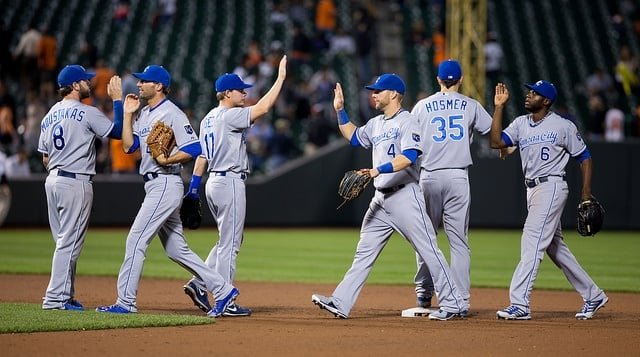
There are typically nine innings in a standard baseball game.
Ever wondered about the rhythm of a baseball game? It’s all about the back and forth, the ebb and flow. But, how many innings are in a game exactly? It’s a key component to understanding the sport.
Knowing the structure is vital for appreciating the strategies, the pitching changes and the late-game heroics that make each game so exciting. This fixed number provides the framework for all the action.

How Many Innings Are in a Game?
So, you’re wondering how many innings are in a baseball game? That’s a great question, and it’s a really important part of understanding the game. The answer is usually pretty straightforward, but sometimes things can change a little. Let’s dive into all the details and see what makes a baseball game tick! We’ll cover the standard number of innings, special situations that might change things, and even how it all works in different levels of play. Get ready to learn everything you need to know about innings in baseball!
The Standard Baseball Game: Nine Innings
In most baseball games, whether you’re watching Major League Baseball (MLB) or a local game, you’ll see nine innings. This is the typical length for a game, and it’s been this way for a long time. Think of an inning as a mini-game within the bigger game. Each inning is split into two halves: the top and the bottom.
What Happens in an Inning?
During the top half of an inning, the visiting team comes up to bat and tries to score runs. Once the visiting team has made three outs, the top half of the inning is over, and then it’s time for the home team to bat during the bottom half.
The home team also tries to score runs, and once they have made three outs, the inning is officially over. This pattern repeats for all nine innings in the game.
Each team gets their chance to bat and score runs. In a typical nine-inning game, that means each team has 27 outs on offense (3 outs per inning for 9 innings). It is that simple.
Understanding the Top and Bottom of an Inning
The concept of “top” and “bottom” might seem a little confusing at first, but it’s actually quite simple. When you hear someone say “top of the inning,” it always means that the visiting team is up to bat. When they make three outs, it then becomes the “bottom of the inning,” and that is when the home team bats.
This back-and-forth rhythm is how each inning plays out, and it’s the same for every single inning throughout the game, from the 1st inning to the 9th.
When Does a Game End?
The most common way a baseball game ends is after nine innings, when the team with the most runs is declared the winner. However, baseball can be unpredictable, and there are a few other scenarios that can bring a game to a close. These situations are usually related to when it’s a tie game at the end of 9 innings. Let’s take a look at it.
The Tie Game: Extra Innings
If the game is tied at the end of the 9th inning, the game goes into what we call “extra innings”. The teams keep playing full innings until someone scores more runs at the end of any inning. The game ends when one team is ahead after both sides of the extra inning have been played. The team that’s ahead is declared the winner. There is no limit to the number of extra innings a game can have, which means a game could potentially go on for many more than just nine innings. Some games have stretched to 15, 18, or even 20+ innings! It’s rare, but it does happen!
Walk-Off Wins
Another interesting way a game can end is with a “walk-off” win. This exciting scenario can only happen during the bottom of the last inning (whether it’s the 9th inning or extra innings). If the home team is trailing or tied and they score a run to take the lead, the game ends instantly. The home team gets to walk off the field as winners, as that run wins them the game, that’s why it is called a “walk-off.”
How Innings Can Be Different in Other Levels of Baseball
While nine innings is the standard for professional baseball and most high school and college leagues, there are some variations in other levels. Let’s look at them.
Little League and Youth Baseball
Younger players often play games with fewer innings. This is to keep things manageable for the kids. Little League games usually have six innings. This shorter length is good for their energy levels, and it helps keep the games from dragging on for too long. For very young players, it might even be just four or five innings.
In some recreational leagues, they may also have a time limit for games, regardless of the number of innings completed. If the time limit is reached, the game may end even if all of the scheduled innings are not completed. This ensures a certain game length and keeps things on schedule.
Doubleheaders
In baseball, sometimes teams play two games in one day, called a “doubleheader.” These can happen when a previous game was postponed due to rain or other reasons. In a traditional doubleheader, both games are played with the usual nine innings. However, sometimes they may play two games of seven innings each if it’s a quick scheduling solution, which is typically in minor league baseball.
Why Nine Innings? A Little History
You might be wondering, why exactly nine innings? Well, it wasn’t always that way. Baseball, like most things, has changed and evolved over time. Early versions of the game didn’t have a set number of innings. It wasn’t until the mid-19th century that the nine-inning format became the standard.
Many baseball historians believe that the standardization of nine innings helped the game become more consistent and easier for fans to understand. It helped create a predictable and structured game length. It provided the balance between giving each team enough time to score runs and keeping the game from taking all day, making it enjoyable for both players and fans.
Key Things to Remember About Innings
To make sure you have a solid understanding of innings in baseball, here’s a quick recap of the most important things:
- A standard baseball game has nine innings.
- Each inning is divided into two halves: the top (visiting team bats) and the bottom (home team bats).
- The game can go into extra innings if there is a tie after nine innings.
- Games can end immediately with a walk-off win if the home team scores the winning run in the bottom half of the inning.
- Youth baseball may have games with fewer innings, such as six or seven innings in some cases.
A Deeper Dive: Innings and Strategy
Beyond just the number of innings, understanding innings also plays a huge part in baseball strategy. Coaches and players think about how they play based on which inning it is. For example, at the beginning of the game, teams may be more focused on getting their players on base and trying to score runs with some time to play. But later in the game, especially in the late innings, coaches might make more aggressive moves. If they are down, they might send in their best hitters, and if they are leading they will bring in their best pitchers to close the game.
Late Innings Pressure
The late innings can be very exciting because the pressure is on. Teams need to make the right plays at the right time to win the game. In the late innings, managers have to think carefully about their choices. This adds another layer to the game, making every inning important and exciting.
Pitching changes often happen in the later innings. Managers use their relief pitchers to get key outs and secure the victory. Strategic base stealing, hit-and-run plays, and even defensive shifts become more common as the game goes on.
Analyzing the Pace of the Game Through Innings
The pace of a baseball game can also change a lot from the first inning to the last. Early on, teams are trying to establish themselves and get a feel for how their opponents are playing. The pace tends to be a little more relaxed. But as the game moves on, particularly into the late innings, the pace can become a lot faster and more urgent.
Every pitch, hit, and play becomes more critical. Players tend to be a little more focused and deliberate, as a single error can change the outcome of the game. This change in pace is what makes baseball so exciting for both players and viewers.
The Importance of Innings in Baseball History
The nine-inning format is a deeply rooted tradition that has shaped baseball’s history. It’s a structure that has stood the test of time. Throughout the decades, the standard of nine innings has remained, providing a sense of familiarity and consistency to the sport. This consistency allows fans and players to focus on the game itself rather than worrying about changes in the rules or game length.
The length of innings contributes to the build-up of the game’s narrative. The slow beginning of a baseball game lets the game develop and the tension builds as the game progresses, leading to the exciting moments of the later innings. This unique characteristic has contributed to the game’s enduring popularity.
Innings, Statistics and Tracking
Innings are not just about how long a game lasts; they are also a basic unit for tracking statistics. For baseball fans, understanding innings is important, and many stats are collected by innings. Pitchers are often evaluated based on how many innings they pitch. This is a key way to measure their endurance and their performance on the mound. The number of innings a pitcher can complete often influences their place on the team.
Offensively, stats like runs per inning (RPI) can also show how teams or players are performing on offense during any given time of the game. These statistics allow fans to appreciate players’ and team’s contributions to the game. Statistics help viewers understand player performances, and they help track how well different players and teams do during a game.
Innings: A Fundamental Part of Baseball
Understanding the concept of innings is fundamental to enjoying and appreciating the sport of baseball. It’s a key part of the game’s structure, and it helps you understand how the game progresses and how each team is doing as the game goes on. From understanding the basics of nine innings, to knowing what happens in extra innings, and how strategies change based on the innings, every part of it is valuable in understanding baseball. By learning these things, you can get a lot more enjoyment from the game.
Whether you are a casual fan or a longtime follower, paying attention to the innings will make your baseball experience richer and more engaging. It is not just about a number; it’s about the flow of the game and the strategic elements. So, next time you watch a baseball game, keep an eye on which inning it is. You will notice it plays a big part in shaping every play and every moment. It adds another layer of excitement and understanding to this great sport.
In summary, knowing how many innings are in a game is a basic, but important, step in understanding the sport of baseball. The nine-inning structure, with potential extra innings and walk-off wins, is a constant in the baseball world, and it makes every game very unique. By knowing this part of the game, it will become even more interesting to watch, as you learn to understand the strategic and exciting nature of baseball.
How Baseball Innings Work
Final Thoughts
A standard baseball game features nine innings. Each team bats until three outs occur within that half of the inning. A game can sometimes go longer due to ties.
Therefore, to clarify, how many innings are in a game? The answer is nine for a normal game. This format provides the structure for gameplay.

