
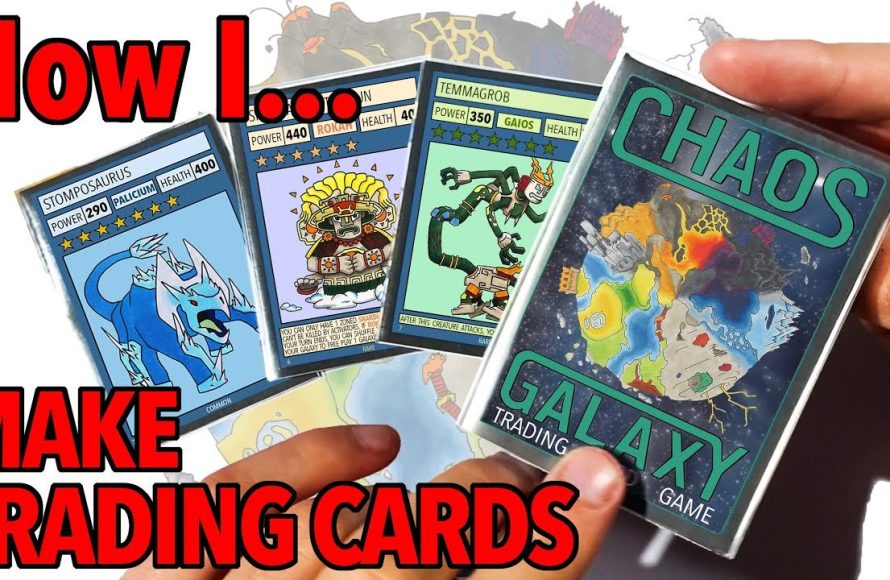
Creating a trading card game requires defining core mechanics, designing compelling cards with varied abilities, and establishing a balanced system for gameplay.
Have you ever dreamed of designing your own card game? The idea of building an entire world, filled with strategic battles and unique characters, can be incredibly exciting. Learning how to create a trading card game is definitely a journey, but it’s a rewarding one. It involves many key steps, from the initial concept to playtesting.
We’ll explore the essential aspects of game development, such as defining your game’s core rules and creating cards with engaging artwork. Then we will move on to ensuring balance and fun gameplay experience for all the players.

How to Create a Trading Card Game
So, you want to make your very own trading card game (TCG)? That’s awesome! It might seem like a big mountain to climb, but with a good plan and some creativity, you can totally do it. Think of popular TCGs like Magic: The Gathering or Pokémon. They all started with someone just like you, having a cool idea. This section is going to walk you through the steps, from the first spark of inspiration to having a game that’s ready to play. Let’s get started on making your card game dreams a reality!
The Core of Your Game: Theme and Mechanics
Before you even think about drawing a single card, you need a solid foundation. That means figuring out two key things: your game’s theme and its core mechanics. These two elements are the heart and soul of your TCG.
Theme: What’s Your Game About?
The theme is the story or world that your game is set in. It’s what makes your game unique and exciting. Think about what you find interesting. Do you like fantastical creatures, futuristic robots, or historical events? Your theme will influence everything from card artwork to the kind of powers the cards have. When you think about a theme, consider these questions:
- What kind of world do you want to create?
- What kind of characters or creatures will live in it?
- What kind of story are you trying to tell?
- What feeling or mood you are trying to create?
For example, a game with a fantasy theme could include dragons, elves, and magic spells. A game with a sci-fi theme could include spaceships, robots, and laser guns. Your theme also affects the card types, like if you have “creature” cards, or “spell” cards.
Mechanics: How Do Players Play?
The mechanics are the rules of your game. This is how players interact with their cards, how they win, and how they lose. Keep it simple at first, you can always add more complex rules later. Here are the main elements of your game mechanics to consider:
- Resource System: How will players pay to use their cards? Will they use “mana” like in Magic, or have a different resource system?
- Card Types: What kinds of cards will be in your game? Will you have creatures, spells, items, etc.?
- Gameplay Flow: What will a player do on their turn? Draw cards, play cards, attack, and etc.?
- Winning Condition: How will players win the game? Will they defeat all opponents, collect enough points, or achieve a specific objective?
- Card Interactions: How will cards interact with each other? Will they have combinations or combos?
For a simple game, you can have players draw cards, play creatures or spells, attack the other player, and the first player who reach to 0 health lose the game.
Think of the mechanics as the engine of your game. It has to work smoothly for players to have fun. You can also use the mechanics of existing TCGs as a starting point, but be sure to change it up and put your own twist to make it unique.
Designing Your Cards: The Building Blocks
Once you know the theme and mechanics, it’s time to create the actual cards. This involves designing both the visual aspects and the game data on each card.
Card Components: What Makes Up a Card?
A typical trading card includes several important elements:
- Card Name: The name of the card (e.g., “Fire Dragon”).
- Card Type: What kind of card it is (e.g., “Creature,” “Spell,” “Item”).
- Card Cost: The resource cost to play the card, for example the amount of mana required to play the card.
- Artwork: The image that represents the card (e.g., a picture of a dragon).
- Abilities/Effects: The special actions or powers that the card has (e.g., “Deals 3 damage”).
- Statistics: Numbers indicating card strength (e.g., Attack and Health values for a creature card).
- Flavor Text: Optional text that adds to the theme and story of the card.
Each of these elements works together to communicate what the card does and how it fits into your game. The artwork should match the theme, and the abilities should make sense within the game mechanics. For example, a powerful monster might have high stats and a high cost.
Balancing Your Cards: Keeping it Fair
One of the biggest challenges in making a TCG is balancing your cards. This means making sure that no one card is too overpowered or too useless. When balancing your cards, consider the following:
- Card Cost vs. Power: A powerful card should usually have a high cost. Low-cost cards should be less powerful.
- Card Synergies: Some cards will work better together. Make sure these combinations aren’t too strong or hard to stop.
- Variety: Create cards with different strengths and weaknesses to keep gameplay interesting.
- Playtesting: The best way to see if cards are balanced is to play your game a lot. We will talk about playtesting in details later.
It’s an iterative process to balance your cards; you will need to test them and tweak them many times. Don’t be discouraged if it takes some time to get it right! Remember, a balanced game is much more fun for everyone.
Creating Card Sets: Expanding Your Game
Once you have a good set of basic cards, you can think about creating expansions or sets. Sets add new cards with new mechanics, powers, and themes. Adding more sets is a good way to keep the game fresh and exciting for your players.
Why Create Sets?
Creating sets has several benefits for your game:
- Adds New Cards: Keeps the game interesting with new cards and mechanics.
- Expands the Game’s Story: Introducing new characters, creatures, or story through the new sets.
- Provides Strategic Depth: Sets with new mechanics help to develop new strategies for gameplay.
- Encourages Collecting: Players want to collect new cards and build new decks.
Creating sets can also help you fix any balance problems from the earlier sets. If you have a card or mechanic that proves to be overpowered, you can add cards to the new set that will help to counter that.
Planning Your Sets: What to Include
When planning your new sets, it’s important to think about:
- Set Themes: Each set could have its own theme that continues your core story, or explores a new area of your game world.
- New Mechanics: You can introduce new mechanics to keep the game from getting stale. This can include new types of cards, keywords, or game rules.
- Rarity: Like real trading cards, you can include rare cards in your sets. This gives players something to look for and get excited about.
- Balance: Make sure the cards in your sets are balanced with the older cards so that players can use cards from all the different sets to create their decks.
Think of it like adding chapters to a book, each set tells a part of the story and increases the overall enjoyment for the players.
Visual Design: Bringing Your Cards to Life
The visual design of your cards is super important. The art and layout are what catches a player’s eye. A visually appealing game is much more fun to play.
Artwork: The Visual Appeal
The artwork of your cards is very important as it brings your game world to life. Here’s how to approach it:
- Style: Is the art going to be realistic, cartoonish, or somewhere in between?
- Theme Consistency: The art should match the theme of your game.
- Clarity: The art should be easy to see and understand.
- Commission or Create: You can hire artists to create art or do it yourself if you are an artist.
Good artwork can greatly increase how much players like your game. It makes it feel more professional and adds to the fun. Don’t be afraid to try out different art styles, and find the one that fits your game perfectly.
Layout: Making it Easy to Read
A good card layout is easy to read and gives the player all the important information. Here are some things to keep in mind:
- Clear Card Titles: The title of the card should stand out.
- Readable Text: Use font that is easy to read, and big enough to understand.
- Key Information Placement: Put important info like cost, attack and defense stats, abilities, and other related things in the same place for each card.
- Icons: You can use icons to show card types or abilities. This makes it easier for players to identify the card during gameplay.
A clear and organized layout helps players to understand your cards quickly. This speeds up gameplay, and makes the game less confusing. A good design is not just pretty, it is also very functional and effective.
Playtesting: The Key to a Great Game
Playtesting is the most important step in designing any game. This is where you get to see if your ideas actually work and make sense. It’s where you can find all the hidden problems and fix them before they get too big.
Start Small: First Tests
Start by testing the game by yourself. Then you can play with a small group. Make sure to:
- Play with Others: Don’t just test by yourself. Play the game with your friends, or with other people.
- Pay Attention: Watch how people play. Do they get confused by the rules? Are any cards too powerful or too weak?
- Take Notes: Write down everything you notice. The things that were fun and the things that were not fun or confusing.
Getting feedback from others is super important. Other players will see things that you might have missed. This is your chance to fix mistakes early.
Iterative Process: Testing, Fixing, and Repeating
Playtesting isn’t a one time thing. It is something that you have to do over and over again. Here’s how to approach the process:
- Make Changes: If the game has problems, don’t be scared to make changes. Adjust card stats, change rules, or try new mechanics.
- Test Again: After you make changes, you have to test the game again with your friends, or other people.
- Refine: Repeat this process many times until you are happy with your game and it is well balanced.
This process of testing and fixing might take some time, but it is very important. The more you test, the better your game will be. This is why playtesting is so vital to the success of your game.
Production and Distribution: Getting Your Game Out There
Now that you have designed your cards and have playtested your game, you are ready to make your game and share it with the world. This step is all about how to make your game and how you are going to sell it.
Printing Your Cards: How to Make Them Real
There are several ways that you can print your cards. Here are some of them:
- Print at Home: This is a good option if you are just starting out, but will not be the best quality.
- Local Print Shop: You can find a print shop in your area that can print cards on good quality paper.
- Online Printing Services: There are many online services that will print cards and will also allow you to select the quality of the paper and other options you might have.
- Professional Card Manufacturer: If you want to do a large production run, a professional manufacturer will be the best option.
Your choice depends on your budget and how many copies of your game you want to make. If you are just starting, you might want to print at home, or use an online printing service.
Distribution: Sharing Your Game with Others
Once you have your game printed, you need to think about how to sell them. Here are some distribution options:
- Sell Online: You can sell your game on your own website, or on websites like Etsy, or Shopify.
- Local Game Stores: You could talk to your local game stores and sell it through them.
- Game Conventions: Game conventions are a great place to show off your game and to sell it directly to your customers.
- Kickstarter: Kickstarter is a way to help fund your project, and you can also use it to distribute your game.
You can start small with one distribution method and grow as your game gets popular. Remember, getting your game to your customers is what helps your game succeed.
Creating a trading card game is a long journey, but it’s also a very fun process. Be sure to take each step slowly, be creative, and don’t give up. With some hard work and planning, you can create an amazing TCG that you and your friends will enjoy.
Let's Make a Collectable Card Game – EP 1: Make good game mechanics with simple rules. #gamedev
Final Thoughts
Creating a trading card game involves defining a core mechanic, designing cards with clear rules, and playtesting rigorously. You must consider resource management, victory conditions, and card rarity. Balance is crucial.
Next, develop your game’s theme and artwork. A well defined theme aids in card design and player engagement. Printing and marketing follow your completed design.
Finally, consider how to create a trading card game involves ongoing support, with expansions and community building. This effort ensures the game’s longevity and appeal for players, keeping engagement.

