
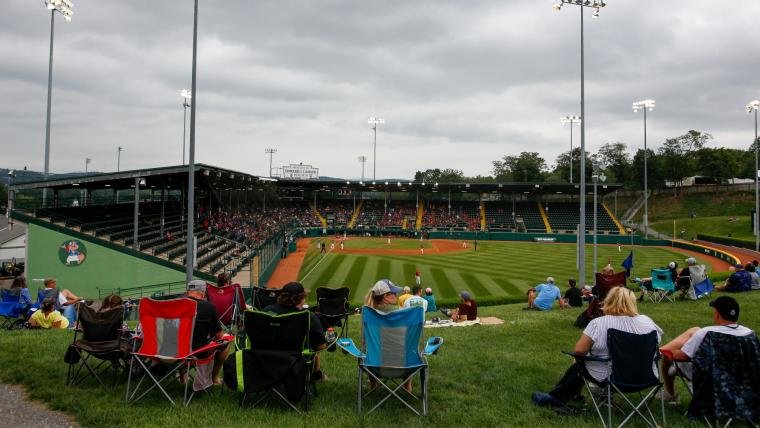
Little league baseball games typically consist of six innings.
Ever wondered how long those exciting little league games last? It’s a common question among parents and new fans. Knowing the basics like how many innings are in a little league baseball game helps you follow the action better.
Understanding the structure of the game enhances the viewing experience. These games might seem shorter than professional ones, and for good reason. The fewer innings help make it more manageable for young players.

How Many Innings are in a Little League Baseball Game?
Okay, so you’re curious about how long a Little League baseball game lasts, right? The big question is, “How many innings are we talking about?” It’s a pretty important detail for players, parents, and coaches to know. The answer isn’t just a single number, it depends on the age group playing. Let’s dive deep into this topic and get all the details for different leagues. Knowing this can make planning game day so much easier!
The Standard Little League Game Length: 6 Innings
For most Little League divisions, the standard baseball game is set at six innings. This applies to the major divisions, which usually involve players who are around 9 to 12 years old. This game length allows for a good amount of playing time, keeping things interesting and allowing for plenty of opportunities to make great plays. Think of it as the sweet spot – not too short, and not too long. It’s designed to keep young players engaged without exhausting them. These six innings usually provide sufficient time for teams to showcase their skills and enjoy the game. So, if you’re picturing your child out on the field, chances are they’ll be playing a six-inning game!
Why Six Innings?
Why this particular length? It’s about balance. It’s a good compromise between allowing a full game and keeping the attention span of younger players. It gives ample opportunity for both teams to score runs, make defensive plays, and generally enjoy the experience of playing baseball. Six innings also usually fit within a reasonable timeframe for parents and coaches, allowing for good scheduling. This length is the perfect blend of learning and fun for that age group.
Shorter Game Lengths for Younger Divisions
However, six innings isn’t the standard for all Little League divisions. For the youngest players, the game lengths are often reduced. This makes perfect sense, right? Kids learning the sport are likely to have shorter attention spans, and it’s important to keep the game a fun and manageable experience for them. They’re still learning the basics, so keeping the games shorter is a great way to allow them to grow. These shorter games also help with preventing player fatigue, which is vital at this young age.
T-Ball: Focusing on Fun
In T-Ball, where very young players (usually around 4-6 years old) are learning the ropes, there usually isn’t any set inning limit. Instead, games might be played for a specific time, like an hour, or until a certain number of runs are scored by each team. The main focus at this age is introducing the game and letting the children experience success. This approach promotes fun and keeps the focus on learning. It’s more about getting the feel of the game than the strict rules of innings, so time is the more important factor.
Coach Pitch and Other Rookie Leagues: Reduced Innings
As players move out of T-Ball and into Coach Pitch or other rookie leagues (typically ages 7-8), the structure shifts towards more standard baseball practices. At this level, the games often consist of 4 or 5 innings. This gives the players more of an opportunity to learn to pitch and develop their skills, but still shorter than the six innings of the older divisions. Again, this is to accommodate the shorter attention spans and to maintain the fun of the game while introducing more formal baseball elements.
Factors That Can Change Game Length
So, we know the standard lengths, but sometimes, things don’t go exactly to plan. There can be various situations that might alter the length of a Little League baseball game. Let’s go through some of these factors.
Time Limits: Beat the Clock
One thing that can affect game length is time limits. Many Little Leagues have time restrictions on how long a game can last. This is often due to field availability, especially if multiple games are scheduled for the same day. For instance, a game might have a two-hour time limit. If the game reaches the time limit before the required number of innings, the game will end. In this case, the score at the end of the last fully completed inning stands as the final result. This time limit is something to consider and for coaches to track during play.
Weather Interruptions: Mother Nature’s Curveball
Weather can play a big role in baseball, even in Little League. Rain delays are fairly common. If it rains during a game, play might get suspended. If the game cannot be resumed within a reasonable time or a specific cut-off point, the game might be called. If the game has completed enough innings (typically four in a six inning game or three in a four or five innings game) it may be declared a full game, even if all innings haven’t been played. However, if not enough innings have been played, the game will usually be rescheduled to play again from the beginning.
Mercy Rules: Ending it Early
Mercy rules can also impact the length of a game. These rules are put in place to prevent one team from completely dominating the other, and when a set margin is met, the game is automatically ended. These rules vary widely from league to league, but they generally involve the margin of victory reaching a certain number of runs, typically after a certain number of innings. A common rule is that if a team is winning by 10 or 15 runs by the 4th or 5th inning, the game will conclude. This helps protect players from potentially disheartening losses and keeps the game fun for everyone.
Tie Games: Do We Play Extra?
Most Little League games do not include extra innings when games are tied at the conclusion of the standard game length. In general, Little League games are ended in a tie, due to time limits and field availability. Usually the team tied after the regulation innings share a win and the tie is marked on the standings.
Understanding Local League Rules
While we’ve discussed standard practices, it’s incredibly important to note that different local leagues may have their own unique variations of the rules. It is a very good idea to check with your local league to fully understand the rules specific to their league and age divisions. Make sure you check with the league officials for any variation to the general rules.
Checking Your League’s Rules
Before the season begins, coaches, parents, and players should carefully read the rule book or speak to the league officials for clarification. These specific rules may vary on the following areas:
- Inning Limits: Double-check the specific number of innings for each age division.
- Time Limits: Be aware of any time restrictions that could affect the game.
- Mercy Rules: Understand the rules for ending a game early due to a large margin.
- Weather Policies: Know how rain delays and other weather interruptions are handled.
How to Keep Track of Innings
Keeping track of innings in a baseball game is a critical part of understanding the flow of the game. Fortunately, it’s not too complicated once you learn how! Here’s a simple guide to make sure you don’t lose count of the innings.
The Scoreboard: Your Best Friend
Most baseball fields will have a scoreboard that displays the current inning. This is usually displayed digitally or on a manual scoreboard in a clear and visible way. If you’re new to the game, this scoreboard will be your go-to for quickly checking how far along you are in the game. It is generally located near the outfield or behind home plate. This is the simplest way to keep track of the innings.
The Lineup Card
The coaches usually keep a record of the lineup and the innings being played on a lineup card. This will help in tracking how many innings have been played and can also keep track of each player’s position on the field. The coaches usually track the inning by marking a line after every full inning. So this can also be a helpful source if you are close to the bench and cannot see the main scoreboard.
Asking an Official
If you’re unsure, don’t hesitate to ask. You can ask the umpire, the team coaches, or the scorekeeper. They will happily tell you what inning the game is currently in. It’s always better to be certain than to guess.
Why Understanding Inning Length Matters
Knowing how many innings are in a Little League game isn’t just a matter of basic knowledge; it has a major impact on everyone involved. It will influence how coaches plan for the game, how players pace themselves during the game, and how parents schedule their day around the game time.
For Coaches: Strategy and Game Planning
For coaches, understanding the game length is essential for strategy. They need to manage their pitchers, plan batting lineups, and consider when to make substitutions, all while taking the game length into account. Knowing if the game is six, four, or five innings helps the coaches plan accordingly. This will allow them to have a strategic plan when developing their team.
For Players: Pacing and Preparation
Players also need to know the game length so they can pace themselves. They can’t burn all their energy in the first few innings if it’s a long six-inning game. Knowing the length helps them manage their energy, focus, and have a fun game. It helps the kids to understand the pacing involved in the game of baseball.
For Parents: Scheduling and Planning
Understanding game length helps the parents with their scheduling and planning for the day. They are more prepared to travel to the games, and they can plan around the game so it allows for more organization for them. Parents can anticipate how much time they’ll spend at the field so they can plan accordingly.
Key Takeaways
Here’s a quick recap of what we’ve covered, so you can remember the important details:
- Standard Game: Most Little League games are six innings long.
- Younger Divisions: T-Ball has varied game times, while Coach Pitch may be 4-5 innings.
- Time Limits: Games might end before the full number of innings due to time restrictions.
- Weather: Rain delays can impact game length.
- Mercy Rules: Games might be cut short if one team has a significant lead.
- Local Rules: Always check your local league’s rules.
So, whether you’re a coach, player, or parent, knowing the number of innings in a Little League game is super important. It makes the game more enjoyable and less confusing. Now that you know, you’re ready to cheer on your favorite Little Leaguers!
How Many Innings Is The Little League World Series? – The Baseball Xpert
Final Thoughts
Little League baseball games typically consist of six innings. This provides a shorter game length suitable for younger players. The aim is to keep the game engaging without demanding excessive time commitment.
Understanding how many innings are in a little league baseball game is important for coaches and parents alike. These six innings define the structure. This helps manage game schedules and player participation. The game can end early due to the mercy rule.

