
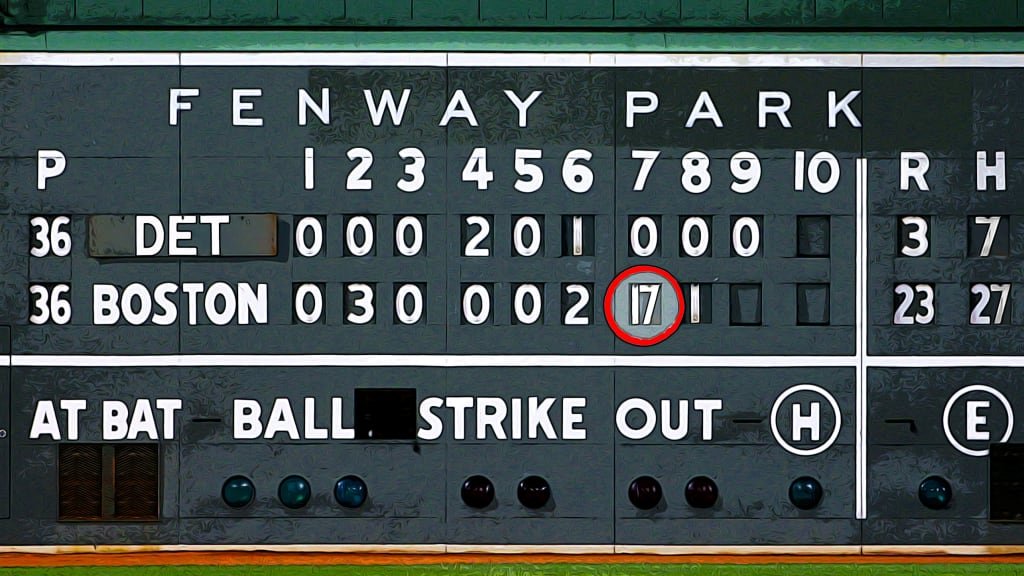
A professional baseball game has nine innings.
Ever wondered about the structure of a baseball game? The question of ‘how many innings in a professional baseball game’ often comes up, especially for new fans. It’s a key element that defines the pace and flow.
The game unfolds across these innings, with each team having a chance to bat and score. This format provides a familiar rhythm to the action on the diamond. Understanding this basic rule is essential for appreciating the strategies and excitement.

How Many Innings in a Professional Baseball Game
So, you’re curious about how many innings make up a professional baseball game? That’s a great question! It’s a fundamental part of the game, and understanding it helps you follow the action and appreciate the strategy involved. The answer is quite straightforward, but there’s a whole world of nuances around it that we can explore. Let’s get started.
The Standard Nine Innings
The most basic answer to “how many innings in a professional baseball game?” is nine. In nearly all professional leagues, whether it’s Major League Baseball (MLB) in the United States, Nippon Professional Baseball (NPB) in Japan, or any number of professional leagues around the globe, a standard game is scheduled to last for nine innings.
Each inning has two parts: the top and the bottom. In the top of the inning, the visiting team bats, and the home team plays defense. Once three outs are recorded for the visiting team, the bottom of the inning begins. The home team then bats, and the visiting team takes the field on defense. This back-and-forth continues until nine innings have been played by both teams.
Think of it like a school day. There are a certain number of class periods set to be taught, then after those class periods are over, school is out. Similarly, baseball has nine innings to be played and after nine innings, most of the time, the game is over.
Why Nine Innings?
You might wonder why baseball settled on nine innings. It’s a bit like asking why a week has seven days – it’s just how it evolved. The origins of nine innings are somewhat murky, but it was established as the standard length by the mid-19th century. Before that, baseball games varied in length, with some going for a set number of runs rather than innings. But by the time the National League was formed in 1876, nine innings had become the norm, and it has stuck ever since.
The number nine gives a good balance between providing enough time for exciting plays, strategy, and player involvement without making it excessively long. It’s also a length that’s proven to be enjoyable for both players and fans, as the game builds excitement over its course.
Extra Innings: When Nine Isn’t Enough
What happens when a game is tied after nine innings? This is where the drama of extra innings comes in! If the score is tied after the completion of the ninth inning, the game continues into extra innings. In extra innings, the same pattern of top and bottom halves of innings continues until one team scores more runs than the other at the conclusion of an inning. In other words, a team has to lead after a full inning in extra innings to win the game.
For example, if the teams are tied 4-4 at the end of nine innings, they will play the top of the tenth inning, followed by the bottom of the tenth. If the visiting team scores a run, making it 5-4, and the home team doesn’t score in the bottom of the tenth, the visiting team wins. However, if they tie it at 5-5, they go into the eleventh inning. They play extra innings until one team is up at the end of the inning.
The Goal of Extra Innings
The purpose of extra innings is straightforward: to determine a winner! It introduces a unique kind of tension and excitement to the game. Players have to dig deep physically and mentally, while coaches make crucial decisions to find a way to score the runs needed to win the game.
Strategies in Extra Innings
Extra innings often bring out different strategies than in the first nine innings. You might see more aggressive baserunning, pinch hitters who come in to bat in critical moments, and pitchers often go for longer appearances as teams use their pitchers in an attempt to get the win.
Shorter Games: Exceptions to the Rule
While nine innings is the standard for professional baseball games, there are some situations where a game might be shorter:
- Rain Delays and Postponements: If a game is interrupted by rain or some other weather event, officials might call the game. In professional baseball, if five innings (or four and a half if the home team is leading) have been completed, the game can be ruled a final game. If the game does not reach that point, it must be played at a later date in order to finish it.
- “Mercy Rule”: In certain lower level leagues, a “mercy rule” might be in effect. This means that if one team gains a large lead of runs over the other, the game ends early to prevent extended time on the field. Professional games don’t commonly do this, but you may find it in youth and lower-level play.
Variations in Length Across Different Leagues
While the standard is usually nine innings, it’s good to know there are some variations in how professional games are played across the globe:
- Professional Leagues Around the World: Most other professional baseball leagues around the world adhere to the standard nine-inning game, such as the leagues in Japan, Korea, Mexico, and other countries. However, some of the details of how extra innings are handled might vary, like in the World Baseball Classic which has special rules to prevent games from continuing forever.
- Youth Baseball: You might encounter fewer innings in youth baseball, which can be very different from professional baseball. Often games are shorter to accommodate the young players’ energy levels, usually lasting six or seven innings instead of nine.
Special Circumstances That Can Affect Game Length
Beyond the standard rules and the extra innings scenario, some unique circumstances can affect the length of a baseball game. Here are a couple of these scenarios:
- Suspended Games: If a game is suspended (usually due to weather or darkness), it is resumed at a later date from the exact point it was suspended. If this happens, that game can potentially take days to finish and thus has a longer total length, even though the innings remained the same.
- Doubleheaders: Sometimes, if games are rained out, the teams may play two games in one day as a “doubleheader.” Often, these second games are shortened to seven innings. However, in 2020 and 2021, MLB introduced some seven-inning doubleheaders in response to the pandemic.
Understanding the Importance of Innings
The nine innings structure isn’t just an arbitrary time limit; it’s the framework for how baseball is played. Each inning provides a new opportunity to score runs, and the back-and-forth nature of the top and bottom halves creates a dynamic and engaging experience. Knowing the nine-inning length and how it can change is essential for a baseball fan.
Strategic Significance of Innings
The idea of nine innings also plays a key role in the strategy of the game. Coaches must manage their pitching staff to last nine innings (or longer, if needed), and hitters try to maximize their scoring opportunities over this time. Every pitch, every play, and every inning is critical for setting up a potential win. Understanding that the game has a certain length will allow you to better understand how the strategy is applied within that framework.
How Innings Impact Player Performance
The length of a game means players must have great physical and mental stamina, and perform well over the course of the game. The strategic depth of baseball is very much tied to how long the game is. Players have to think about how they can keep their bodies prepared to do their best, whether that’s in the first inning or extra innings.
The Beauty of the Nine-Inning Game
The nine-inning structure gives a structure to the game that allows for drama, suspense, and unpredictable moments that make baseball so enjoyable to watch. The rhythm of the innings helps build suspense as the game goes on, creating that emotional tension in extra innings that can make a baseball game so exciting.
Whether you are a long-time baseball fan or just starting to learn, understanding how many innings are in a professional baseball game is one of the first steps in fully appreciating all the aspects of this great sport. The standard nine innings, sometimes changing to extra innings, provides the space for competition and the strategy and skill of the game. So, the next time you watch a game, remember this foundational structure, and enjoy the exciting ride of a professional baseball game!
How Many Innings In Japan Baseball? – The Baseball Xpert
Final Thoughts
Professional baseball games typically feature nine innings. If the score is tied after nine, extra innings occur until a winner emerges. So, how many innings in a professional baseball game? It’s usually nine, but can go longer in case of a tie.
A standard game concludes after nine innings, unless a tie forces the teams to continue playing. Therefore, understanding this key element helps follow the game better.

