
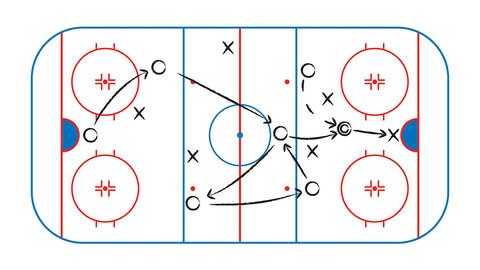
There are two intermissions in a standard hockey game.
Ever found yourself wondering how many intermissions in a hockey game? It’s a common question, especially for newcomers to the sport. These breaks are a key part of the game’s flow.
They not only give players a chance to rest and strategize but also allows fans time to grab snacks. The game’s pace is definitely maintained through these scheduled pauses.

How Many Intermissions in a Hockey Game?
Okay, let’s dive deep into the heart of a hockey game and explore something super important: intermissions! You know, those breaks between periods where players catch their breath and maybe grab a quick snack? They’re a key part of the game and happen a specific number of times in every standard hockey match. So, how many intermissions are there, really? In a standard professional or high-level hockey game, you’ll find two intermissions. It’s that simple! But there’s a lot more to unpack about these breaks. Why two? What happens during them? Let’s get all the juicy details!
The Standard Hockey Game Format
Before we can truly grasp the importance of intermissions, it’s crucial to understand the basic structure of a hockey game. A typical game is divided into three periods.
Period 1: This is the start of the action, where both teams are fresh and raring to go!
Period 2: The middle chunk of the game, often filled with fast-paced plays and strategic moves.
Period 3: The final stretch, where players give it their all to secure a victory.
Between these three periods, you’ll find those all-important intermissions, providing a chance for everything from team strategy to a breather from all the action.
Why Two Intermissions?
You might wonder, why not one, or three? Why exactly two intermissions? Well, there are several great reasons!
Player Rest and Recovery: Hockey is a physically demanding sport. Players skate hard, make quick turns, and battle for the puck. Intermissions provide much-needed rest, so they can return to the ice with renewed energy. It’s kind of like a pit stop for race cars!
Strategic Adjustments: These breaks aren’t just for catching your breath. Coaches use this time to talk with their teams, analyze what’s happening in the game, and make changes to their game plans. Sometimes a little adjustment can make all the difference!
Equipment Maintenance: Players also use intermissions to check their equipment, like skates, helmets, and gloves. Making sure everything is in top shape can help prevent injuries and improve their performance.
TV and Fan Considerations: Let’s not forget the fans! Intermissions provide a break for spectators to get refreshments, stretch their legs, or have a quick chat about the game. They are also essential for TV networks, allowing them to show commercials and provide additional commentary.
The Length of an Intermission
Okay, so now that we know why they’re there, it’s important to know how long they last. The standard intermission in a professional hockey game is 17 minutes long. Yes, that’s right, almost 20 minutes where the players get to recharge!
This 17-minute clock starts immediately after the end-of-period buzzer sounds.
It includes time for players to get off the ice, head to the locker rooms, and make their way back to the bench for the start of the next period.
The clock is carefully monitored by officials to ensure the game moves along smoothly.
This time might vary slightly in different leagues and age levels, but 17 minutes is standard in most NHL games.
What Happens During an Intermission?
So, what exactly goes on behind the scenes during those 17 minutes? It’s more than just players sitting on the bench, that’s for sure! Here’s a glimpse into the action:
Coaching Sessions: This is a crucial time for coaches to meet with their teams. They review the previous period’s highlights, discuss strategy, and make necessary adjustments. The huddle can be a mixture of both encouragement and constructive criticism.
Physical Recovery: Players often grab water, sports drinks, or even some quick snacks. They might receive treatment from team trainers if they are dealing with minor injuries or sore muscles. Rest and refueling are key components of this time.
Equipment Adjustments: Skates are often sharpened, sticks taped, and other gear checked for any wear and tear. Minor adjustments can prevent big problems during the next period.
Mental Preparation: Players also use this time to mentally prepare for the next period. They focus on their goals and visualize success. Sometimes that might involve quiet reflection or a quick pep talk.
Arena Maintenance: Simultaneously, the Zamboni, an ice resurfacing machine, gets to work. It smooths the ice surface, getting it ready for the next period of play, ensuring the playing surface is always at its best.
Media and Fan Engagement: For the fans, this is when they might visit the concession stands, check their phones or perhaps enjoy the intermission entertainment, which often involves music, trivia or fan competitions.
Intermissions in Different Hockey Leagues
While the structure of a hockey game (with two intermissions) is pretty consistent, there might be slight differences in intermission lengths or rules depending on the specific league or level of play.
National Hockey League (NHL)
The NHL follows the standard format of two 17-minute intermissions.
They have specific rules governing when teams must return to the ice.
American Hockey League (AHL)
The AHL, being the primary development league for the NHL, also uses the two-intermission system with a 17-minute break.
These rules align with those of the NHL to prepare players for the highest level of competition.
Other Professional Leagues
Other leagues around the world might have minor variations in intermission lengths but generally stick to the two-intermission format. These differences can depend on logistical factors, broadcast agreements, and league rules.
College and Youth Hockey
In college hockey, the format is often the same, but the intermission length might vary by conference or specific tournament rules.
Youth hockey leagues may have shorter intermissions. The exact times depend on the age level and league rules. These shorter durations are often implemented to accommodate game schedules, especially on busy tournament days, and also align with the developmental needs of younger players.
| League | Intermission Length |
|---|---|
| NHL | 17 minutes |
| AHL | 17 minutes |
| College Hockey (Varies) | 15-17 minutes (approx.) |
| Youth Hockey (Varies) | 10-15 minutes (approx.) |
Overtime and Intermissions
What happens when the game is tied after three periods? Overtime! The rules for intermissions can be slightly different in overtime, depending on the league or tournament.
NHL Overtime: In regular season games, there’s only a short intermission before a 5-minute, 3-on-3 overtime period. If the game remains tied after overtime, the game goes to a shootout. There are no more intermissions after the first overtime intermission.
NHL Playoffs: In the playoffs, the game goes to a full sudden-death overtime period of 20 minutes. This overtime period is proceeded by a full 17 minute intermission. This cycle will repeat, if necessary, until one team scores.
Other Leagues: Other leagues and youth games have varying overtime formats, with some featuring a shortened intermission before overtime, and others having no additional intermission.
Special Situations Affecting Intermissions
While the standard two intermissions with their set lengths are common, there are a few special situations that can affect them:
Delayed Starts: If a game starts late due to circumstances (such as broadcast delays, arena issues or other unforeseen circumstances), it could impact the schedule of intermissions. There aren’t strict rules on how this is adjusted, but typically everything is kept as close to the original schedule as possible.
Prolonged Injury Breaks: If a significant injury occurs during the game, leading to a long stoppage of play, this could affect the timing of intermissions. Usually, a long stoppage won’t change the schedule. The game will simply continue, with the intermission scheduled as originally planned.
Power Outages: A rare but potentially disruptive situation can be a power outage. If a power outage happens mid-game, the intermissions might be delayed, cut short, or adjusted according to the protocols followed by the league and officials.
The Role of the Zamboni During Intermissions
You can’t talk about intermissions without talking about the Zamboni! This marvelous machine plays a crucial role in maintaining the ice surface. During each intermission, the Zamboni does the following:
Scrapes the Ice: The Zamboni has a blade that shaves off the top layer of ice, removing any grooves or rough spots caused by skate blades. This is crucial to creating a consistent surface for the players.
Washes the Ice: The Zamboni sprays water onto the newly shaved surface. This helps fill in the smaller imperfections and create a smooth and even finish.
Lays down Hot Water: The hot water helps bond the new ice with the existing surface, resulting in a playing surface that is fast and efficient.
Improves Playing Conditions: All these actions together create a smooth and even surface which ultimately improves playing conditions by reducing friction, improving puck glide and overall making for a better experience for everyone on the ice.
The Fan Experience During Intermissions
For fans, intermissions can be as entertaining as the game itself. There are various activities and events that typically happen:
Concessions: Fans often take this opportunity to grab a snack, a drink, or perhaps a souvenir. It’s a busy time at the concession stands!
Bathroom Breaks: With large crowds in attendance, washrooms can get pretty busy.
Fan Interaction: Some arenas host fun activities like contests, trivia, or interactive games on the jumbotron. These are always fun ways to get the fans excited and energized!
Socializing: Intermissions are also a great time for fans to catch up with friends and discuss the highlights of the game thus far.
In essence, intermissions are more than just breaks – they are an integral part of the hockey experience, for players, coaches, and fans alike. They provide a structured pause that allows for crucial rest, strategic planning, and much needed maintenance, both of bodies and equipment. Understanding the ins and outs of how many intermissions are in a hockey game, and everything that happens during them, helps any fan better appreciate the flow and nuances of this fast-paced and exciting sport.
In summary, a standard hockey game contains two intermissions. These 17-minute breaks are essential for player recovery, strategic adjustments, equipment maintenance, and also for television and the fans. The timing can sometimes vary in different leagues or because of special circumstances but the basic format remains consistent. These intermissions are just as much a part of the game as the periods themselves, and contribute to a better, more enjoyable hockey experience for everyone involved.
How long is a hockey game?
Final Thoughts
A standard hockey game includes two intermissions. These breaks divide the game into three periods. Teams use this time for rest and strategy adjustments.
Therefore, to answer simply how many intermissions in a hockey game, there are two intermissions within a single professional hockey match. This provides a necessary pause for players and allows the game to be more manageable.

