
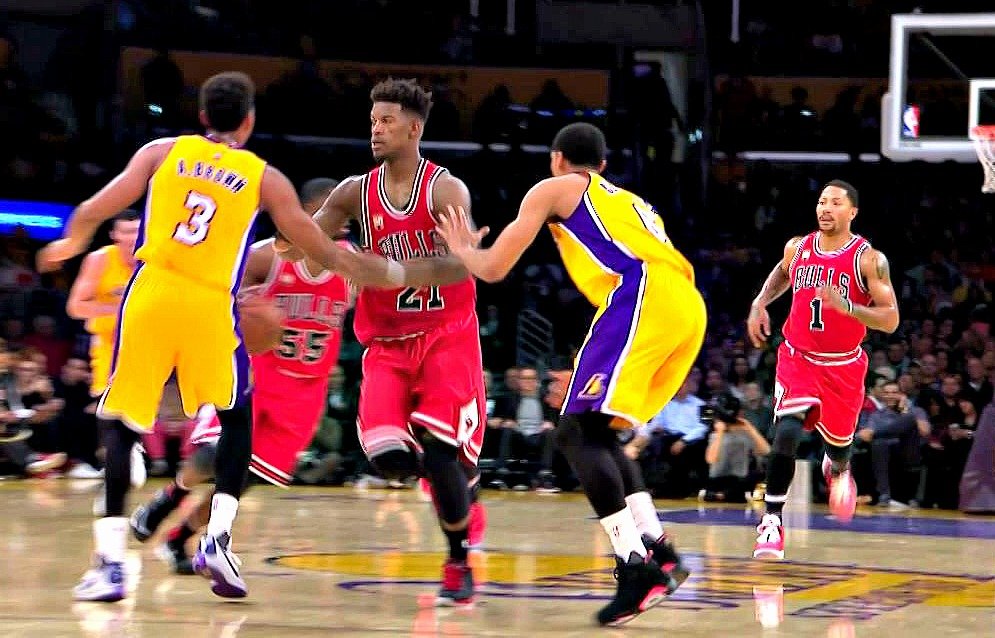
On average, players run about 2.5 to 3 miles in a basketball game.
Ever wondered just how much ground those players cover during a fast-paced basketball match? It’s not all just dribbling and shooting; they are constantly moving. Thinking about how many miles do you run in a basketball game might surprise you.
The constant back and forth action, combined with bursts of speed, adds up over the course of those four quarters. These distances can vary slightly based on playing style, position, and the pace of the game itself.

How Many Miles Do You Run in a Basketball Game?
Have you ever watched a basketball game and thought, “Wow, those players are running a lot!”? You’re absolutely right! Basketball is a fast-paced sport that requires players to move constantly. But just how much do they run? The answer isn’t a simple number, because it depends on a lot of things. Let’s dive into the exciting world of basketball and explore the distance players cover during a game.
Factors Affecting Running Distance in Basketball
The amount of running in a basketball game isn’t the same for every player, or even every game. Many factors influence how much ground each athlete covers. Here are some of the key elements:
Playing Time
The most obvious factor is playing time. A player who spends 40 minutes on the court will naturally run more than someone who plays only 10. In professional leagues, like the NBA, players often see significant minutes, while in younger leagues, playing time can be more spread out. The more time a player spends moving on the court, the more distance they’ll naturally cover.
Player Position
Different positions in basketball require different types of movement and distances. For example:
- Point Guards: These players are like the quarterbacks of basketball. They handle the ball a lot and often run the length of the court frequently to lead the offense. They tend to cover a good amount of distance.
- Shooting Guards: These players are also very active, running to get open for shots and playing defense. They might not handle the ball as much as point guards, but they still do a fair share of running.
- Small Forwards: These players are all-around athletes who contribute to both offense and defense. They cover a lot of ground, rebounding, cutting to the basket, and playing defense.
- Power Forwards: These players work hard in the paint, close to the basket. While they might not cover as much distance in straight sprints, they do a lot of short bursts of running, jumping, and pushing.
- Centers: Centers are usually the tallest players, mostly staying close to the basket. They’re less likely to run the full court constantly, but they engage in frequent short sprints, jumps, and shoves under the hoop.
So, while a point guard might cover more distance in a typical game compared to a center, it doesn’t mean the center is lazy – they are using different skills, and having their own kind of intense activity.
Playing Style
The style of play that the team uses also affects running distance. A team that favors a fast-break offense will likely have players covering more ground than a team that relies on a slower, half-court game. Fast-break basketball involves rapid transitions from defense to offense, with players sprinting up and down the court to get easy baskets. Slow-paced offenses focus on controlled plays and a more deliberate approach, meaning less frantic running.
Game Intensity
The intensity of a game is another key factor. A close, competitive game usually means more running, jumping, and all-out effort from players. In a blowout, where one team is leading by a large margin, players might take it a bit easier. The level of competition impacts how much players are pushing themselves physically, and how much they are running.
Level of Competition
Running distances can be different depending on the level of play. For instance:
- Youth Basketball: In youth leagues, the pace might be slower, and there can be more substitutions, leading to less distance covered per player.
- High School Basketball: High school games are often more intense, with more running than in youth games.
- College Basketball: College games are usually faster paced with higher skill levels, meaning more running for players.
- Professional Basketball (NBA/WNBA): The professional leagues see the highest level of intensity and fastest paces. Players here tend to run the most.
Estimating the Miles: How Much Do Players Actually Run?
Given all these factors, it’s tough to give a single definite answer on how many miles a player runs. However, we can use studies, data, and some common sense to make estimates.
Average Distance Covered by a Basketball Player
Studies and observations indicate that a typical basketball player runs approximately 2 to 5 miles during a game. This is not one continuous run, of course, but rather a combination of sprints, jogging, and short bursts of movement. Here’s a breakdown:
- Lower End: Players on the lower end of the spectrum might run around 2-3 miles, often due to limited playing time or a less active role on the court. This might be seen in youth leagues or for players on the bench in higher level leagues.
- Average: Most starters, especially those in fast-paced systems, will probably fall somewhere in the range of 3-4 miles per game. This is a good middle-ground estimate for most levels of competitive play.
- Higher End: Highly active players, particularly point guards or those on fast-break focused teams, can easily cover 4-5 miles or even more during a game. This is more common in the professional leagues.
Remember, these are just averages, and the actual distance covered can vary a lot depending on those factors we discussed earlier.
Professional Basketball Examples
In the NBA, which is considered the highest level of basketball competition, players often run more than in other leagues. A player like a starting point guard in the NBA could easily cover 4-5 miles in a single game. Some of the most active players might even approach 6 or 7 miles on high-intensity, overtime games. These high distances are a testament to the incredible fitness and stamina required at this level. This also showcases the amount of training and stamina they need to compete at that level.
Why Distance Matters
The distance a player covers is not the only thing that matters, but it’s a pretty important factor.
- Stamina and Endurance: Being able to run consistently throughout the game, without getting too tired, is crucial for a player’s performance. Stamina helps in maintaining speed, making precise passes and shots, and playing effective defense.
- Speed and Agility: Basketball is a game of quick bursts and direction changes. Running fast and being agile allows players to get open for shots, defend their opponents better, and create scoring opportunities.
- Overall Fitness: The ability to run miles per game shows how fit and healthy a player is. Physical fitness is essential for reducing the risk of injury, playing consistent games, and performing at their best over an entire season.
Tracking Distance: How Is it Measured?
So how do we know how many miles basketball players are running? There are several methods used to track distance during a game.
GPS Tracking
One of the most accurate ways to measure running distance is through GPS tracking. This technology is often used in professional sports. Players wear small sensors or trackers that record their movements, including speed and distance. This data allows coaches and trainers to evaluate their performance and assess how much they are pushing themselves. GPS tracking gives very precise information.
Motion Capture Technology
Motion capture systems, often used in labs and more advanced settings, are another accurate method. These systems use cameras and markers to track every movement on the court. This method provides detailed information on how much each player moved, jumped, and accelerated. It is highly accurate, but it’s more often used for research than regular in-game monitoring due to expense and complexity.
Video Analysis
Video analysis is a less technical, but very valuable tool. Coaches and analysts often watch game footage to track players’ movements and estimate the distance they cover. While not as exact as GPS or motion capture, it is often used at various levels of the game because it can be done with the game footage and doesn’t require special technology.
Statistical Data and Estimates
Many studies have been done using various methods. They combine observed data with statistical models to make estimates about distances covered. These stats provide a good overview of the typical distances seen across different levels of play and various player positions, helping us get the numbers we see. The numbers are combined data from actual tracking, and also research-based estimates.
Tips for Improving Running Distance for Basketball Players
If you are a basketball player, you know that running is very important. Here are some ways you can improve your running and your overall game:
Cardiovascular Training
Cardio exercises are essential for building stamina and endurance. You can do things like jogging, running, and swimming to increase your lung capacity and make it easier to run for longer periods during a game. Try to have a regular cardio routine.
Interval Training
Interval training is great for basketball players because it mimics the short bursts and sprints seen in a game. This type of training involves alternating between high-intensity sprints and periods of rest or low-intensity movement. It can greatly improve speed and endurance.
Agility Drills
Basketball is not all about running in a straight line. Agility drills are exercises that help players move quickly, change direction fast, and stay nimble on their feet. Cone drills and ladder drills are common agility exercises that can help improve your movement.
Strength Training
Strength training helps you be more explosive and powerful. Strong leg muscles are vital for basketball players. Leg exercises such as squats and lunges can help increase speed and jumping power.
Proper Nutrition and Hydration
What you eat and drink plays a big role in your energy level and stamina. Ensure you are eating a balanced diet with enough carbs and protein to fuel your body. You also have to be sure you’re drinking enough water so your body stays hydrated, which is very important for staying in top form. When you are dehydrated, your performance goes down.
Rest and Recovery
Running miles in a basketball game and doing all of the training and drills takes a lot out of your body. Getting enough rest and recovery is as important as training. When you rest your muscles can heal, which is very important. Be sure to sleep well, and give yourself time to recover from practice and games.
The information above gives a deep view into what it means to run in basketball. It’s not just random running, but specific and intense movement that defines the game. Understanding the dynamics of running in basketball can help you appreciate the efforts of players and also improve your own game.
How kids play basketball nowadays! 😂 #shorts
Final Thoughts
Professional players often cover 2.5 to 3 miles during a game. Distance varies depending on position and playing style. Some guards might run slightly more, while centers typically cover less ground.
The pace and intensity greatly influence how much they cover. Fast-break offenses mean more running. Slower, half-court styles involve less movement. So, how many miles do you run in a basketball game depends on several factors.

