
Each NBA game consists of 48 minutes of playing time.
Ever wondered how long those intense basketball battles last? The clock ticks down, the tension builds, and fans are on the edge of their seats. It’s all part of the excitement when considering how many minutes are in an NBA game.
You might think it’s a quick affair, but every second counts. The players push themselves to the limit during that time. It adds up to a significant period of play and strategies.

How Many Minutes Are in an NBA Game?
Okay, let’s dive right into the heart of the matter: how long does an NBA game actually last? It’s not as simple as saying “it’s always this many minutes!” There’s a standard amount of playing time, but several factors can change how long a game actually takes from tip-off to the final buzzer. So, grab your imaginary popcorn and let’s break it down.
The Standard Game Length
The core of an NBA game is 48 minutes of action. This is divided into four quarters, each lasting 12 minutes. So, if you do a bit of quick math – 12 minutes per quarter times 4 quarters – you get our standard total of 48 minutes of playing time. This is the time that the clock is actually running, when the ball is in play.
Understanding Game Clocks and Timing
Unlike a regular clock, the game clock in basketball stops quite frequently. Every time the ball goes out of bounds, a foul is called, a player makes a substitution, or a timeout is called, the game clock pauses. This means that while the actual playing time is 48 minutes, the total time a game takes can often be much longer. To understand the flow of the game, let’s take a detailed look at what causes the game clock to stop.
Reasons for Clock Stoppages
- Out of Bounds: When the ball goes outside the designated playing area, the clock stops until play resumes.
- Fouls: When a player commits a foul, the clock stops. It stays stopped while the referees decide the consequence of the foul.
- Timeouts: Each team gets a set number of timeouts to discuss their strategy or take a breather. The clock stops completely during timeouts.
- Substitutions: When players are changed, the clock stops to allow the change to happen smoothly.
- Jump Balls: If two opposing players gain possession of the ball at the same time, the clock will stop and a jump ball will ensue.
- End of Quarter: The clock stops at the end of each 12-minute quarter, allowing a brief break before the next quarter begins.
Half-Time Break
Right in the middle of an NBA game, after the second quarter, there is an extended break known as half-time. This break gives players a much needed rest and a chance for coaches to talk through what needs to happen for the rest of the game. This half-time break is usually 15 minutes long. Although the clock isn’t running, this extra time is part of the reason why a game lasts longer than the 48 minutes of play.
Overtime: When Things Get Even More Exciting
Sometimes, a game is so close that after the four quarters, the scores are tied. When this happens, it’s time for overtime! Overtime periods in the NBA are five minutes long, and each overtime period extends the total game time. If the game is still tied after the first overtime, another overtime period will take place, and so on, until one team finally wins. Because of this, there’s no set limit to how long a game could potentially be in terms of time. This makes things very exciting for the viewers, even though it can make things really intense for the players and coaches!
Extra Time Breakdown
- Length of Overtime: Each overtime period is 5 minutes long.
- Multiple Overtime Possibilities: If the score is still tied after one overtime, there will be another until a winner emerges.
How Does TV Coverage Factor In?
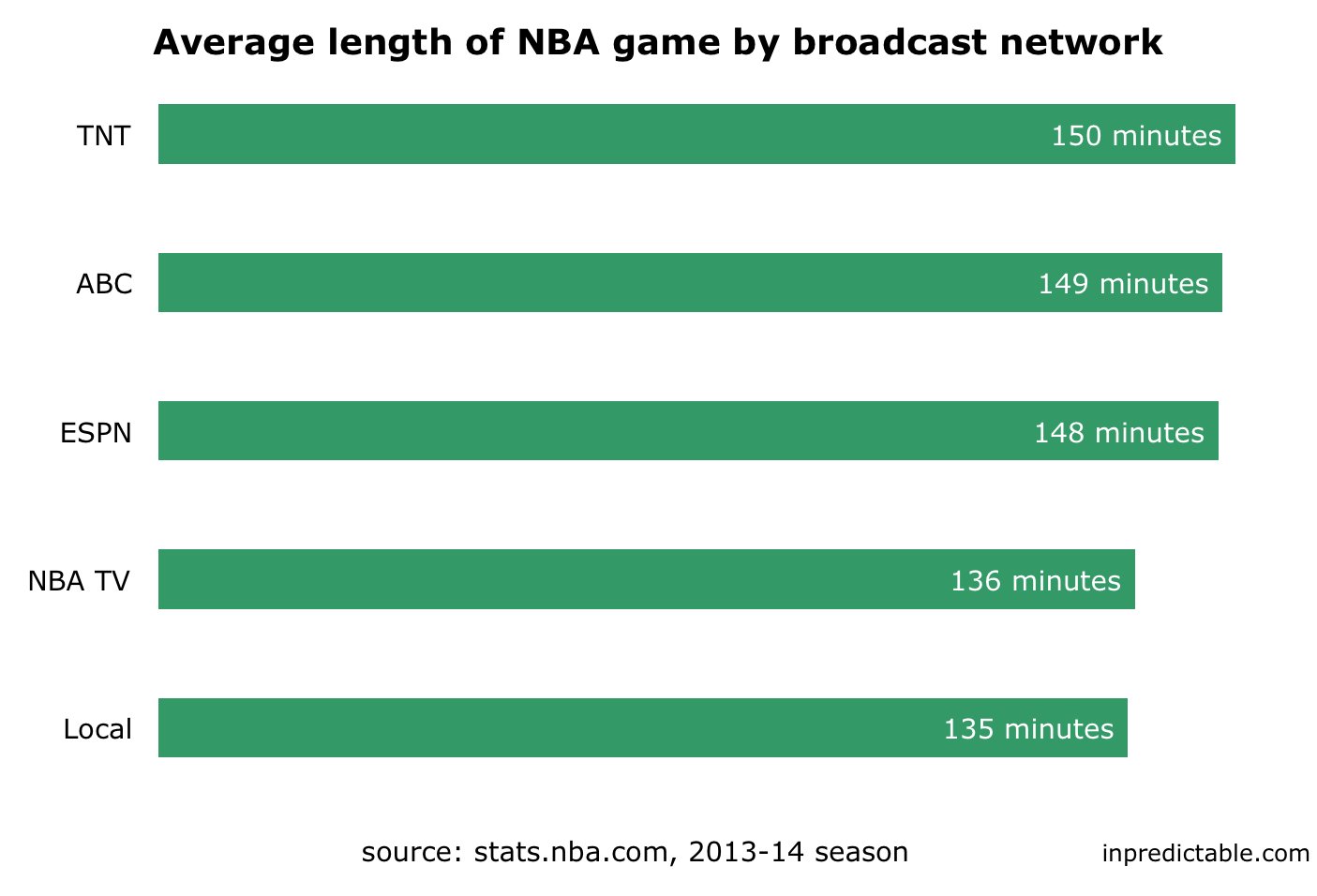
When we watch basketball games on television, there are commercials, analysis, and interviews. All of this added content means that the total time we see on TV for an NBA game is usually much longer than the 48 minutes of playing time. If you are watching on TV, it is important to remember that even though you see a game for over two hours, the actual time the players are actively playing is only 48 minutes, plus any additional time for overtime.
The Real Time: What’s the Average Game Duration?
While the playing time in an NBA game is always 48 minutes (or 48 minutes plus overtime), the total time from tip-off to the final buzzer is usually around two to two and a half hours. This can vary a little depending on how many timeouts or fouls are called and if there’s an overtime period. A game without many stoppages might finish in just over two hours, whereas a game with a lot of fouls, or one that goes into multiple overtimes, could easily take closer to three hours.
Factors Affecting Total Game Time
Let’s explore some of the reasons why the total game time can vary from one match to the next.
- Number of Timeouts: The number of timeouts called by each team significantly impacts the length of the game. More timeouts mean more stoppages and a longer overall game time.
- Number of Fouls: Games with a lot of fouls lead to frequent stoppages, as each foul requires the clock to be stopped while referees make their decision.
- Injuries: Any serious injuries that require medical attention on the court will also cause the game to pause, adding to the overall time.
- Reviews: Referees sometimes need to review plays to make sure the right call is made. These reviews cause the game clock to stop for a bit, increasing the total game duration.
- Overtime Periods: As discussed previously, overtime periods can greatly increase the total time of a game, and the number of overtimes is unpredictable.
Why Does the Clock Stop So Often?
You might be wondering why the clock stops so frequently during a basketball game. Well, it’s all about ensuring fairness and allowing the game to flow smoothly. Stopping the clock for fouls makes sure penalties are properly applied. Stopping for timeouts lets teams strategize. The goal of the NBA is to create a game that is both competitive and enjoyable for everyone watching. And all the stoppages, although sometimes they seem like they take a long time, are essential to maintaining the integrity of the game. These stoppages not only ensure accuracy but also create moments of high drama and allow teams to adjust their tactics, which is part of what makes basketball so entertaining.
How Game Length Differs at Different Levels
It’s interesting to know that the length of games can be different in other basketball leagues or for younger players. In high school basketball, for instance, the game consists of four eight-minute quarters rather than 12-minute quarters like in the NBA. That changes the amount of total game time and also the overall flow of the game. For some younger leagues, or for games that are not professional, the quarters might be even shorter. It all depends on the age group and league.
Game Length Comparisons
| Level of Play | Quarter Length | Total Playing Time |
|---|---|---|
| NBA | 12 minutes | 48 minutes |
| High School (USA) | 8 minutes | 32 minutes |
| FIBA (International) | 10 minutes | 40 minutes |
As you can see, there are different lengths of games depending on the league and the level of play. The NBA uses 12 minute quarters, which provides the longest standard game duration. High schools have shorter games to match the stamina levels of younger players. FIBA, which manages international basketball games, has a game time somewhere between the NBA and high school level.
So, next time you watch an NBA game, remember that the actual playing time is 48 minutes, plus any potential overtime. But, due to all the stoppages, you’ll likely be sitting on the edge of your seat for a good two to two and a half hours, or maybe even a little more! Understanding all the timing rules helps us appreciate the intricacies of the game.
How long is a NBA game?
Final Thoughts
Therefore, an NBA game consists of 48 minutes of playing time. These minutes are divided into four 12-minute quarters.
So, to clarify, how many minutes are in an nba game? The answer is precisely 48 minutes. This calculation excludes any potential overtime periods.

