
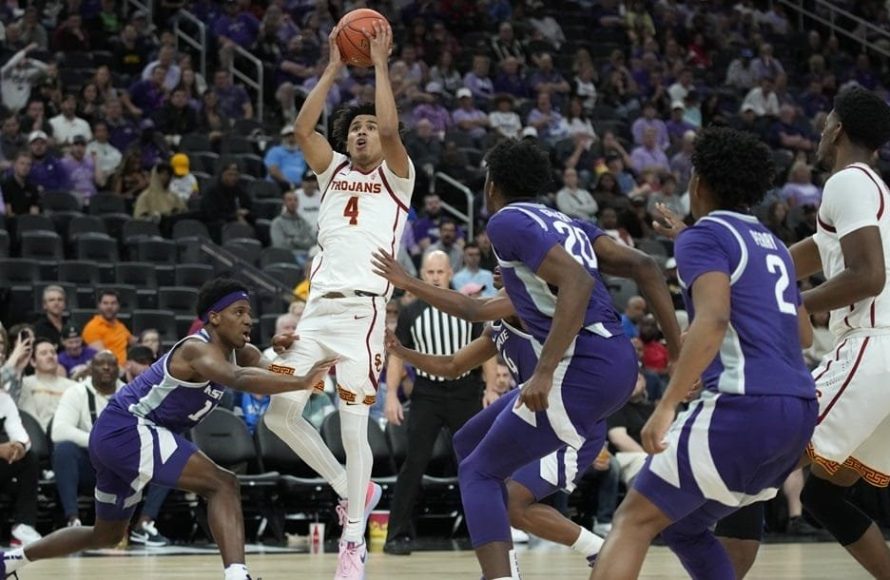
An NCAA basketball game consists of 40 minutes of play.
Ever wondered about the precise duration of a college basketball showdown? It’s a question many fans have, especially when caught up in the excitement. Knowing exactly how many minutes in an NCAA basketball game helps us understand the flow and timing of the action.
The game clock ticks down relentlessly, setting the pace for each possession. Each half is a race against time for both teams. It’s the combination of strategy and skill, all condensed within that set time limit.

How Many Minutes in an NCAA Basketball Game?
Alright, let’s dive into the exciting world of college basketball! If you’ve ever watched a nail-biting game, you might have wondered, “Just how long is this going to last?” The answer, while seemingly simple, has a few important details. So, how many minutes are we actually talking about in an NCAA basketball game? The standard answer is 40 minutes, but that’s not the whole story. We need to look deeper, as there are different factors that can affect game length. Let’s explore all the intricacies of an NCAA game clock.
The Standard Game Clock: Two Halves of 20 Minutes
The core of an NCAA basketball game consists of two halves. Each half is 20 minutes long. This means the total playing time, without any stoppages or overtime, is 40 minutes. Think of it like two separate mini-games, each with its own start and finish. This structure provides a framework for the back-and-forth action we love to watch. It’s during these 40 minutes that teams battle it out, aiming to score more points than their opponents.
The game clock counts down from 20:00 to 0:00 in each half. When the clock hits zero at the end of each half, that half is over. The game clock also stops during specific moments, which we’ll discuss shortly. It’s important to remember that these 40 minutes do not include breaks, timeouts, or any other time when the play is not actively in progress.
Understanding Game Stoppages
Now, while the game clock is set for 40 minutes of action, the reality is that a basketball game is rarely only 40 minutes long. What adds time to the game? Well, several things can stop the clock, and understanding these stoppages is just as crucial as knowing the base game length.
Timeouts
Timeouts are a key strategy in basketball. Coaches use them to discuss plays, rest their players, and adjust their game plan. In NCAA basketball, each team has a specific number of timeouts they can use. These breaks stop the game clock and allow for strategic huddles. Generally, a full timeout lasts 75 seconds, and a 30 second timeout will last 30 seconds. During a television broadcast, the breaks may be extended to accommodate commercials. A normal game will feature a few of these, adding minutes to the game.
Fouls
When a player breaks a rule of the game, it results in a foul. A player can make a personal foul and a technical foul. A foul also stops the clock. Some fouls result in free throws, and the time spent going to the free-throw line and attempting the free throws also adds to the overall game time. The clock stops when a foul is committed, and when the game restarts, that is when the game clock starts. The number of fouls in a game can significantly impact its length, especially if the game is close and players are attempting to draw fouls.
Out-of-Bounds Plays and Jump Balls
When the ball goes out of bounds, the game clock stops until the ball is put back into play. This is the same for jump balls. These moments, while brief, do add up and contribute to the total game time. The game clock doesn’t begin again until the ball is put back in play.
Injuries
If a player gets injured, the game clock stops. Medical staff needs time to evaluate and attend to the player. The stoppage duration depends on the nature of the injury. This is a necessary part of the game but does contribute to the length of the game.
Halftime
Of course, we can’t forget about halftime! After the first 20-minute half is over, teams take a break, usually 15 minutes, before starting the second half. This allows players to rest, coaches to make halftime adjustments, and everyone to catch their breath. Halftime does not affect the game clock, but it does affect how long you sit in your seats.
The Impact of Overtime Periods
What happens when teams are tied after the initial 40 minutes? We enter the realm of overtime! This is where things get very exciting. If the score is tied, a five minute overtime period will be used. The game keeps going in five-minute increments until one team leads at the end of a period. This adds five minutes to the potential game length.
Each overtime period is a full five minutes, meaning if two, three, or more overtime periods are needed, these all get added to the overall game time. The number of overtime periods depends on the score of each overtime period. There is no limit to the amount of overtime periods that are allowed. Overtime periods also include timeouts, fouls, and other normal game stoppages, further extending the game length. This can lead to some epic battles that run well past the initial 40 minutes. Sometimes the games might feel longer, as these exciting close games can feel like they take forever to complete.
How Game Length Varies in Practice
While the official playing time is 40 minutes, with the possibility of overtime, the actual time from tip-off to the final buzzer can vary dramatically. A game with many fouls, frequent timeouts, and an overtime period will naturally be much longer than a game with fewer stoppages. In the modern era, you will see very high point totals from some games and some low point totals from some other games. The modern era also uses a lot of fouls, and therefore, that can lead to longer games. Some games will feature a lot of fast paced play, and some games will feature slower paced play, leading to different game times, even without the need for overtime.
Here are some elements that could increase the total time of an NCAA game:
- A large number of fouls committed
- Numerous timeouts called
- An overtime period or multiple overtime periods
- Significant amounts of out-of-bounds plays or jump balls
- Extended breaks for injuries
- Television timeouts and advertising breaks
Conversely, a game can be shorter if it’s a blowout and has fewer fouls, less timeouts, or few stoppages. The style of play from both teams also impacts the total time. A high paced game can be shorter than a slow paced game with the same score. Typically, a non-overtime college basketball game runs around an hour and 45 minutes to an hour and 55 minutes total. Games with multiple overtimes can easily push the game time past two hours and even longer.
Comparing NCAA Game Length to Other Basketball Leagues
It’s interesting to compare how the game length of NCAA basketball matches up against other leagues. Let’s take a look.
NBA (National Basketball Association)
The NBA games are longer than NCAA games. NBA games use four 12 minute quarters, totaling 48 minutes. This can add to the overall time of games. NBA games can usually run around 2 and a half hours with stops, timeouts, and other factors. NBA games have more breaks in the game for advertising purposes as well.
WNBA (Women’s National Basketball Association)
The WNBA, like the NBA, uses four 10 minute quarters, totaling 40 minutes of playing time. This is the same amount of playing time as NCAA basketball. However, overall game time can be a bit longer than an NCAA game because of the differences in rules and the way the game is played. Also, WNBA games feature more stoppages because of television timeouts.
High School Basketball
High school basketball games use shorter quarters, usually four 8 minute quarters, for a total of 32 minutes of game play. This total will be lower than the 40 minute total of NCAA basketball. There are also fewer timeouts given to high school teams than the amount given to college teams.
Here’s a handy table summarizing the differences in standard game clock times:
| League | Number of Periods | Period Length | Total Standard Game Time |
|---|---|---|---|
| NCAA Men’s/Women’s Basketball | 2 Halves | 20 Minutes | 40 Minutes |
| NBA | 4 Quarters | 12 Minutes | 48 Minutes |
| WNBA | 4 Quarters | 10 Minutes | 40 Minutes |
| High School Basketball | 4 Quarters | 8 Minutes | 32 Minutes |
The Game Clock and the Shot Clock
While we’ve focused on the overall game clock, there’s another clock that is critical in the game of basketball: the shot clock. The shot clock limits how long a team can hold the ball before attempting a shot. In NCAA men’s basketball, the shot clock is set at 30 seconds. For NCAA women’s basketball, the shot clock is set at 24 seconds. It is important to understand that the shot clock does not directly influence the overall length of the game but ensures the game continues in an exciting and engaging manner for viewers and fans. When a team does not shoot the ball in the specified time limit, the team turns the ball over. The shot clock does not stop during a live game unless there is a foul or the ball goes out of bounds.
The shot clock plays an important role in the pace and the strategies used during the course of a game. This clock adds a bit more pressure on teams and often speeds the pace of the game as they are forced to take a shot at the goal in a certain amount of time.
Factors Affecting Game Flow
Beyond the basic rules and clocks, many other factors can affect how a game flows. The style of play of both teams can be dramatically different, with a team playing very fast paced and the other playing a much more slow paced game. This can impact how long the game lasts as well. It might be more appealing to watch a faster game, but sometimes a slower paced game will provide a very exciting conclusion.
The referee’s calls during a game also impact flow. Some games can have a lot of foul calls, causing the game to stop frequently and increasing the game time. Some games may not have a lot of fouls and flow better, creating a more fast paced style of game. A close game is also impacted by the style of play. Close games tend to slow down near the end, with teams trying to avoid making errors. The more close the game is, the longer it tends to get near the end.
Understanding all these variables helps us appreciate the beauty of basketball. It is not just a simple 40 minutes; it’s 40 minutes of strategy, action, and drama, with plenty of surprises that can impact how long you watch.
So, there you have it! While the standard game clock in NCAA basketball games is 40 minutes, the actual time can vary. Understanding the stoppages, timeouts, overtimes, and more will help you understand that actual length of games. Enjoy all the thrilling moments that each basketball game provides.
Explaining NCAA'S March Madness and how teams qualify
Final Thoughts
An NCAA basketball game features two 20-minute halves. This totals 40 minutes of regulation play. Any overtime periods add five minutes each. Therefore, to answer “how many minutes in an ncaa basketball game,” the standard is 40 minutes.
However, it’s important to note the potential for extra time. Overtime makes the total game length longer. The specific circumstances can easily affect the total minutes.

