
There are two periods in a soccer game, known as halves.
Ever wondered how a soccer match unfolds? You might be curious about the structure of the game itself. Questions like “how many periods are in a soccer game” often pop up, especially for those new to the sport.
Understanding the flow is pretty simple. A typical soccer game divides into two distinct sections. These sections are not called quarters, instead they are called halves.

How Many Periods Are in a Soccer Game?
Soccer, also known as football in many parts of the world, is a fantastic game loved by millions. When you’re watching a game, you might hear people talk about halves, not periods. So, the big question is: how many periods are in a soccer game? The simple answer is that soccer games aren’t divided into periods like some other sports. Instead, they are divided into two halves. Let’s dive deeper into what that means for how a soccer match is structured.
The Two Halves of a Soccer Game
A standard soccer game has two halves. Each half is 45 minutes long. So, if you put the two halves together, that’s 90 minutes of playing time. However, this doesn’t mean the game lasts exactly 90 minutes. There are times when the clock is stopped, and there’s extra time added. Let’s look more closely at these two main parts of a soccer game:
First Half
The first half is the start of the soccer match. When the referee blows the whistle, both teams start playing. They try to score goals, pass the ball to their teammates, and prevent the other team from scoring. This part of the game is full of action. The first half lasts for 45 minutes of playing time, but there might be a bit more time added by the referee if there were delays like injuries or substitutions. This extra time is called “added time” or “stoppage time.” Referees track time and may add time to the 45 minute half for any delays or interruptions, such as fouls, injuries, or substitutions.
Half-Time Break
After the first half, there is a break called halftime. This break is usually 15 minutes long. It’s a time for the players to rest, get a drink of water, talk to their coaches about strategy, and prepare for the second half. This break is also an opportunity for the fans to take a break and grab snacks or visit the restrooms.
Second Half
Following the half-time break, the second half begins. The teams come back onto the field and continue playing. The second half is also 45 minutes long, but again, there might be some added time at the end. This half is just as important as the first because it’s the last chance for both teams to try to score goals and win the game. Like the first half, the second half includes added or stoppage time, to account for pauses in the match.
Understanding Added Time or Stoppage Time
You’ve heard us mention “added time” or “stoppage time” several times. These extra minutes get added at the end of each half. But, why are they needed? The referee keeps track of all the times the game was paused. This can include things like:
- Injuries: If a player gets hurt and needs to be treated on the field, time is added for that delay.
- Substitutions: When a team changes players, time is added to the game clock.
- Fouls: If there are significant fouls, the referee might add time to the clock.
- Other delays: Anything that causes the game to stop, like a ball going out of play and taking too long to get back, can lead to added time.
The amount of added time varies. It’s up to the referee to decide how much time should be added at the end of each half. This makes the game unpredictable and exciting because you never know exactly how long it will last. Sometimes there is no stoppage time, or just a few minutes, other times if there have been many delays, 5-10 or even more minutes might be added.
What Happens If the Score is Tied?
If the game is still tied after the second half and added time, what happens next depends on the level of competition and the rules of that specific tournament. Let’s look at some common scenarios:
Extra Time
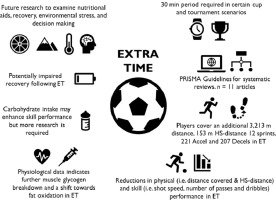
In some tournaments, if a game is tied after regular time, an extra time period is added. Extra time is usually made up of two shorter halves, each lasting 15 minutes. These extra 30 minutes are a bonus opportunity for both teams to try to score and win. There is usually a short break between the two extra time halves, but it is not as long as the regular half time break.
Golden Goal
Sometimes, extra time is played with what is known as a “golden goal” or “sudden death” rule. This means that as soon as a team scores in extra time, the game ends immediately, and that team wins. It makes for very exciting finishes. However this rule is not as commonly used now as it once was.
Penalty Shootouts
If the game is still tied after extra time (and there’s no golden goal rule in place), the game is decided by a penalty shootout. In a penalty shootout, each team takes turns shooting the ball toward the goal while only the opposing goalkeeper tries to save it. The team with the most goals at the end of the shootout wins the match. It is a high pressure part of the game, where players must keep their cool to score against the goal keeper.
Variations in Game Length
While a standard adult soccer game is 90 minutes (two 45-minute halves), the length of the game can vary. Some of the factors that cause these variations include:
Youth Soccer
Games played by young children usually have shorter halves. The younger the players, the shorter the game. For example, games for kids under the age of 10 might be 20 or 25 minute halves. This is because young players might not have the stamina to play a full 45 minutes without getting very tired. This shorter duration helps them stay engaged and enjoy the game, while still getting lots of playing time. The following list gives a general idea of how long matches usually are for different age groups.
- Under 6: usually 2 x 15 minute halves
- Under 8: usually 2 x 20 minute halves
- Under 10: usually 2 x 25 minute halves
- Under 12: usually 2 x 30 minute halves
- Under 14: usually 2 x 35 minute halves
- Under 16 and above: usually 2 x 45 minute halves
Friendly Matches
Friendly matches are games played for fun and often are not as competitive. Sometimes these matches may have different playing times. A coach may agree with another team’s coach to play shorter halves than regulation, especially if players are trying out different positions or getting back in shape after a break from the season.
Special Tournaments
Some special tournaments might have slightly different rules, affecting the length of each half and the amount of extra time, or indeed if there is any extra time at all. Each tournament will post the rules at the start of the tournament, so coaches, players and fans will all know them. Sometimes these differences are used to try to make matches more exciting.
The Impact of Game Length on Strategy
The length of the game directly impacts the strategy a team uses. A longer game will require a team to plan for more substitutions, to allow players to get rest and to bring on new players to change tactics, or give attacking players fresh legs in a tired game. A short match may allow for a different more aggressive approach, where players are able to give more effort, as they know there are fewer minutes to play. Teams will also adjust the way they attack, defend, and control the ball depending on whether they are trying to hold onto a lead, or are chasing a goal. A close, tense match can sometimes change very quickly, if a goal is scored near the end of a half. Because the added time is unpredictable, players, coaches, and fans must all be ready for last minute chances.
Why Halves instead of Periods?
Soccer games use halves instead of periods, which may seem confusing if you’re used to sports that use periods. Some other sports, like hockey or basketball, use periods as a way to break the game into equal parts. Halves are a tradition that has stuck with the sport since it began. Some say the reason for halves, rather than periods, is because soccer has a more continuous flow of play. There are usually no set times when play stops during a half, unlike in sports with periods where there are regular breaks. Halves allow the game to be divided into two main parts, while still keeping the natural pace of the game flowing. This continuous flow makes soccer exciting to watch, as the ball is always moving, and teams must always be alert, because play can change very quickly.
Key Takeaways about Soccer Game Time
To sum up, here are the key facts about the length of a soccer game:
- A standard adult soccer game has two halves.
- Each half is 45 minutes long.
- There is a 15-minute break between halves called halftime.
- Added time is added to each half to account for game stoppages.
- If the game is tied, there might be extra time or penalty shootouts.
- Younger players usually play shorter games.
Understanding how a soccer game is structured helps you appreciate the flow, tactics, and excitement of the game. Whether you’re playing, coaching, or watching, knowing about halves, added time, and extra time makes the experience more engaging. Every minute of soccer is filled with anticipation, and each half presents opportunities for either team to make their mark. Now you know, when someone asks, you can confidently say that a soccer game is divided into two halves, each 45 minutes long.
How many periods are in a football game | telenor question today
Final Thoughts
A soccer game consists of two periods. These periods are called halves, each lasting 45 minutes. A short break occurs between halves. The break is called halftime, giving players time to rest.
Understanding the structure is essential for enjoying any match. So, now you know how many periods are in a soccer game. Each period has equal game time, creating a fair playing field. The official match clock does stop for some events during play.

