
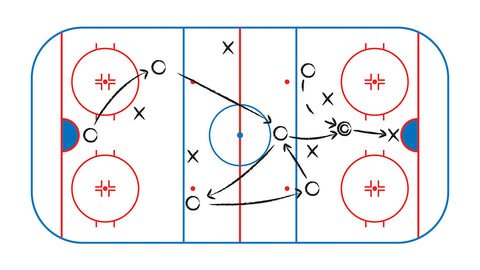
A standard hockey game has three periods.
Ever wondered how long a hockey game actually lasts? Well, the core structure of a match centers around distinct segments of play. This article aims to clarify exactly how many periods a hockey game has.
Understanding the format is essential for any fan. We will break down the fundamental aspects, detailing the basic structure of play. So, stick around to learn more about how many periods hockey game uses.

How Many Periods in a Hockey Game?
Alright, let’s dive into the exciting world of hockey! If you’ve ever watched a fast-paced game on ice, you might have wondered, “how many periods are in a hockey game?” It’s a simple question, but the answer is super important for understanding the game. The number of periods helps to break the game into manageable chunks, creating a rhythm of play, and gives teams chances to rest and strategize. So, let’s explore all about hockey periods!
The Standard Three Periods
In most professional and competitive hockey leagues around the world, a standard hockey game is divided into three periods. Think of them like three mini-games within the larger game. Each of these periods is 20 minutes long. So, when you see a game advertised, or are talking with friends about it, know that they are talking about three periods when they mention full hockey game.
Why Three Periods?
You might wonder, “Why not two or four periods?” The three-period structure has been a standard practice in hockey for a long time, becoming a tradition and being very effective. It strikes a balance between having enough time for the game to unfold, and also for player health and not playing so long as to cause excessive fatigue. Having breaks between periods allows players to catch their breath, hydrate, and talk strategy with their coaches. This is very important in a sport as physically demanding as hockey. Also, the two intermissions or breaks help to build the drama, anticipation, and excitement within the game.
Length of a Period in Hockey
As we mentioned, each period in a standard hockey game is 20 minutes long. However, this is the “playing time,” also known as “game time”. It’s important to note this is actual clock time when play is happening, also known as the active playing time. The clock stops when the puck goes out of play, when there’s a penalty, or at the end of each period. Because of these stoppages, the actual time it takes to complete one 20-minute period is much longer than 20 minutes of clock time.
Game Clock vs. Real Time
So, how long does a whole period take, including the stoppages? Well, that depends on the flow of the game. It can take anywhere from 30-45 minutes to complete a full period in real-time, sometimes even longer if there are lots of penalties or stoppages in play. The game clock is the true measure of the active playing time, but the real clock can be much longer.
Intermissions Between Periods
In between each of the three periods, there are intermissions. These are breaks in the game, which allows the players time to rest and re-energize themselves. These breaks are also called intermission and they typically last around 15 to 18 minutes long. This gives the players enough time to get off the ice, talk to their coaches, get some water, and prepare themselves for the next period. It’s also a great time for fans to grab snacks or stretch their legs.
What Happens During Intermissions?
During intermissions, a lot is happening behind the scenes. Coaches are talking to their teams and adjusting their game plan. The players are hydrating, getting massages, and re-strategizing. The ice is also getting resurfaced by the Zamboni, a special machine that smoothes the ice and gets it ready for the next period of play. For fans, it is usually the time to stretch, get snacks and watch the entertainment happening in the rink.
Overtime: What Happens When Games Are Tied?
Sometimes, after the three regular periods, the game is still tied, this is known as a tie. In many leagues, when this happens, the game goes into overtime (OT). Overtime is an extra period or time of play added to the game to try to determine a winner. The overtime rules vary depending on the league or tournament, but the general principle is the same: it’s to break the tie.
Different Overtime Rules
Here is an overview of how overtime in hockey works:
- Sudden Death: In some leagues and tournaments, especially in playoffs or elimination games, the first team to score a goal in overtime wins the game. This is called “sudden death” overtime.
- Timed Overtime Periods: In regular season games, some leagues use a timed overtime period, like 5 or 10 minutes. It is followed by “sudden death”. If no team scores during this time, the game may go to a shootout.
- 3-on-3 Overtime: Some leagues use a 3-on-3 format in overtime, which means that each team has only three skaters instead of the usual five. This format is intended to create more open space on the ice, leading to more goal-scoring opportunities and ultimately ending the game faster.
- Shootouts: If the game is still tied after an overtime period, some leagues use a shootout. In a shootout, each team gets a set number of penalty shots, with alternating players attempting to score on the opposing goalie. The team with the most goals in the shootout wins the game.
Hockey Periods in Different Leagues
While three 20-minute periods are the standard in many professional and competitive hockey leagues, there are differences in different levels and leagues. Lets look at some of them:
Professional Hockey (NHL)
The National Hockey League (NHL), the most popular professional league in North America, plays with three 20-minute periods. If the game is tied after three periods, they have a 5-minute, sudden-death overtime period during the regular season. If no one scores, the game will move to a shootout. In the playoffs, the overtime periods are 20 minutes each and are sudden death.
College Hockey (NCAA)
In college hockey, the National Collegiate Athletic Association (NCAA) rules also dictate the games have three 20-minute periods. However, overtime rules may vary based on the tournament or the specific league.
International Hockey (IIHF)
International Ice Hockey Federation (IIHF) games, like those in the Olympics or World Championships, also follow the standard of three 20-minute periods. The overtime format in international play often includes a 5 minute sudden-death overtime period and a shootout if needed.
Junior Hockey
Junior leagues, which vary regionally around the world, frequently use the same period length. However, there can be slight differences and sometimes these may even depend on the age of the players. Some leagues may have three 15 or 17 minute periods for their younger junior divisions. Overtime formats also vary based on the league.
Youth Hockey
In youth hockey, particularly for younger players, the periods might be shorter than 20 minutes. It is common for young kids hockey games to have three 12-15 minute periods, depending on age. The shorter periods allow younger kids to get enough time to play, without overdoing it, and help develop skills gradually. They also usually have less penalties. Overtime rules are rarely needed as the leagues prioritize fun and skill development over wins for their younger players.
Why are periods Important?
Hockey is an intense sport with high speed action. Players skate hard and use a lot of energy during the 20-minute periods. They get very tired if the periods were much longer. The breaks between periods provide a time to take a much needed rest, and for coaches to discuss strategy changes. This is very important to keep the athletes healthy and performing at their best. Periods help structure the game, giving a rhythm for the players and fans alike. This structure also increases drama and suspense as each period can become a new chance for any team to try and win the game.
Benefits of Periods
- Manage Player Fatigue: 20 minute periods allow for bursts of energy with a rest in between.
- Tactical Adjustments: Coaches use intermissions to plan strategies and adapt to the opposing team.
- Breaks for Fans: Intermissions give the fans time to get snacks and visit restrooms without missing the action.
- Resurfaced Ice: Intermissions provide the time to ensure the ice is smooth and safe for play.
- Enhance Game Flow: Periods help create a rhythm, build excitement, and make the game interesting.
Understanding the Game
Knowing that there are three periods in a hockey game is a crucial first step in understanding the game itself. It helps you follow the game’s progress, understand how much time is left, and appreciate the strategic decisions of coaches and players. Periods give structure to the game, and when you understand how these periods work, it helps you engage much better with the sport.
Tips for New Hockey Fans
- Watch the Clock: Pay attention to how much time is left in each period.
- Enjoy Intermissions: Intermissions are a part of the game, enjoy the break and don’t miss out.
- Learn Overtime Rules: Knowing how overtime works can increase the suspense, and you can be ready if the game goes to that point.
- Ask Questions: Don’t be shy to ask other hockey fans to learn more about the game.
- Have Fun: Enjoy the fast pace and excitement of the game!
Understanding the concept of three periods is fundamental to the sport of hockey. The rhythm and structure periods provides enhances the overall experience for players and viewers alike. From the standard 20-minute playing time to the crucial intermissions and potential overtime scenarios, these aspects contribute to the excitement and tactical complexity of a hockey game. As you delve deeper into the world of hockey, remember these details and you’ll be able to fully appreciate the game. So, next time you watch a game, you will be able to follow along with more confidence. From youth leagues to the pros, the three period structure is key to understanding the sport.
How Many Periods In Ice Hockey? (Explained)
Final Thoughts
A standard ice hockey game features three periods. Each period lasts for 20 minutes of actual playing time. There are intermissions between each period, allowing players to rest.
So, to answer the question of ‘how many periods hockey game’ has, the definitive answer is always three. This format ensures a structured and engaging game for fans. Understanding this basic structure is key for enjoying hockey.

