
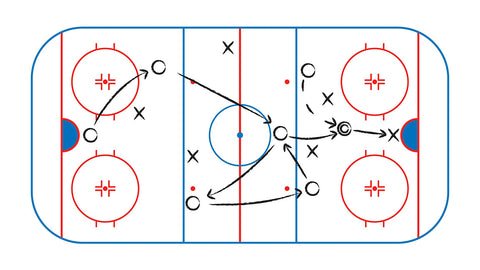
There are three periods in an NHL game.
Ever wondered how long the excitement of a hockey game lasts? It’s a question many new fans ask. So, when someone asks, “how many periods in an NHL game,” the answer is simple.
The structure of a typical hockey match includes these distinct segments of play. Each period gives teams chances to score goals. This format creates the thrilling action we all enjoy watching.

How Many Periods in an NHL Game?
Okay, let’s dive right into the heart of the matter: how many periods are there in a National Hockey League (NHL) game? The answer, plain and simple, is three. Every standard NHL game is divided into three 20-minute periods. These aren’t just random segments of play; each one is a self-contained burst of action, with its own beginning, middle, and end. But there’s much more to understand about these periods than just their number. Let’s explore all the ins and outs of an NHL game’s structure and how these periods make up the exciting sport we know and love.
The Standard Three-Period Structure
The three-period format is the cornerstone of NHL gameplay. This structure is not just an arbitrary number; it’s designed to create a rhythm and flow to the game. Each period lasts 20 minutes of actual playing time. This means that the clock stops whenever the puck goes out of play, there’s a penalty, or a goal is scored. Therefore, in reality, each period takes far longer than 20 minutes to complete. But, each period gives teams 20 minutes of time to outplay their opponents. Between each period, there’s an intermission period. During the intermission, the players head to their dressing rooms to rest, hydrate, and strategize for the next period.
- Period Length: 20 minutes of playing time.
- Number of Periods: Three.
Why Three Periods?
So, why not two, or four? The three-period structure allows for enough time to showcase skill and create drama, without overtaxing the players. It provides teams ample opportunities to make a comeback, build a lead, or just keep things exciting for the fans. The intermissions between periods also give players a chance to catch their breath and prepare for the next intense part of the match. This also lets coaches review their team’s performance and make key adjustments to their game plan.
The duration of each period allows for a mix of strategic plays and hard-hitting action. This format has become an important part of hockey’s identity, and is almost like a tradition in the sport.
Understanding Intermissions
The intermissions between periods are essential parts of an NHL game. After each period, there’s a break that allows teams to regroup and the ice to be resurfaced. This resurfacing, commonly called “zamboni time,” makes the ice smooth again. This is important, as the ice gets torn up by all the skating and play. This break isn’t just for ice maintenance, but also serves a very important purpose for the players.
The First Intermission
After the first period, there’s the first intermission. This break is usually around 15-18 minutes long. During this time, players go back to their locker rooms to recover, get some water, and talk about how the first period went. Coaches also use this time to talk with their teams, plan new strategies, or make any needed changes. The length of this intermission provides a good amount of time for both physical and mental preparation for the next period.
The Second Intermission
Following the second period, there is a second intermission which lasts around 15-18 minutes. The length is about the same as the first one. Just like before, the teams regroup, the players refuel, and the coaches give valuable input for the final period. These intermissions are key to keeping the pace of the game fair and allowing the players to perform at their best.
What Happens When the Score is Tied?
Sometimes, after three periods, the teams are still tied. What happens then? That leads us to overtime. Overtime is designed to produce a winner and is something that makes NHL hockey really exciting.
Overtime in Regular Season Games
During the regular season, when the score is tied after the three periods, a five-minute sudden-death overtime period starts. It’s called “sudden death” because the first team that scores wins the game. During regular season overtime the teams play 3-on-3 hockey. This means there are only three skaters and a goalie on the ice for each team, instead of the usual five skaters. This creates more open ice for faster and more exciting plays. This 3-on-3 format leads to a lot of scoring chances, and usually, someone finds the back of the net pretty quickly. If no goal is scored in the five-minute overtime period, the game ends in a tie, and the game goes to a shootout.
- Overtime Length: 5 minutes.
- Players on the Ice: 3 skaters plus a goalie per team.
Overtime in Playoff Games
The stakes are much higher in the playoffs. When the score is tied after three periods in a playoff game, a different set of overtime rules apply. Instead of a 5 minute 3-on-3 overtime, they use a 20-minute sudden death period with 5-on-5 hockey. This is a full 20 minute period, and if the score is still tied the teams have an intermission and go at it again. The teams will play as many 20-minute sudden death overtime periods as needed to determine a winner. This means that playoff games can go on for a really long time if neither team is able to score a game-winning goal in regulation time and in multiple overtime periods. This makes it all the more exciting, because with every overtime period it is getting more intense and suspenseful for the fans watching.
- Overtime Length: 20-minute periods until a winner is determined.
- Players on the Ice: 5 skaters plus a goalie per team.
Shootouts
During regular season games, if the score is still tied at the end of the five-minute overtime period, the game goes to a shootout. During a shootout, three players from each team take turns shooting the puck on the opposing goalie. The team that scores the most goals during the shootout wins the game. If, after three shooters from each team, there is still no winner, the teams go into sudden-death shootout rounds, where one player from each team shoots until one scores and the other doesn’t, and that decides the winner. The shootout is a fan-favorite way to end tied games in the regular season because of the intense skill it showcases. But, the NHL playoffs do not use the shootout format, so during the playoffs games will have multiple 20-minute overtime periods.
- Shootout Format: 3 initial shooters from each team, then sudden-death rounds.
- Used In: Regular season games only.
The Impact of Periods on Strategy
The three-period structure significantly affects how teams play the game. Coaches adjust their tactics based on the period. For instance, in the first period, they might focus on feeling out the opponent and establishing their game. In the second period, they might start to take more chances and push for goals. Then, in the third period, they adjust again by tightening their defense or pushing hard for a comeback. This change in game plans during each of the periods creates an exciting aspect to watch. The periods aren’t just a time marker but a strategic guide for coaches and their teams.
Each period provides a clean slate, and any prior plays may not matter so much. Each team has the opportunity to adjust to the game, and this makes the game thrilling. The strategy of each period is determined by the score and their opponents, which also makes it important for coaches and teams to adjust based on the score and the game.
How Periods Affect Player Performance
The three-period format also has a big impact on how players perform physically and mentally. Each period can be an intense burst of energy, and then the players have to recover quickly during the intermissions. They need to be able to pace themselves and maintain high performance levels throughout the game. This makes the game a true test of both skill and endurance. They have to give their all during the 20-minute periods, while also having enough energy to play the entire game.
The intermissions help the players recover, but during the game, the players are putting themselves through a lot of stress. They need to be in top shape and play hard for the whole 60-minute regulation, and even longer during the playoffs. The way the game is structured with its periods plays an important role in player management and overall game strategies.
Key Differences in Period Structure
While the standard three-period format is followed across the NHL, some key rules can change in different scenarios, like the playoffs. The biggest one is of course, the overtime rules.
| Game Type | Overtime Length | Players | Shootout |
|---|---|---|---|
| Regular Season | 5 minutes | 3 skaters + goalie | Yes |
| Playoffs | 20 minute periods until a winner is determined | 5 skaters + goalie | No |
Another difference is in the timeout rules. In the playoffs, teams are allowed to have one timeout per game, while in the regular season, they get one timeout during the entire game but this timeout isn’t used in overtime. These differences add to the intensity and strategy of each type of match. In the regular season, the shootout can quickly decide who wins, while in the playoffs it is a physical battle until one team is able to score.
A Historical Look at NHL Periods
The three-period structure is a longstanding part of the NHL. There have been some minor variations over the years, but the fundamental concept of three 20-minute periods has been a constant. This structure has been fine-tuned to help create the exciting game that we see today. For many decades, this is the structure that the NHL has used to entertain its millions of fans.
The consistency of the three-period structure has also made the game easy to follow and understand. This long history has helped it become a tradition and a staple in the world of hockey.
So, the next time you’re watching an NHL game, remember that those three 20-minute periods are far more than just slices of time; they’re an integral part of the strategic, fast-paced, and intense sport of hockey. They help to create an entertaining format that makes each game interesting from start to finish. The game is filled with a combination of strategic plays, intense action, and an enjoyable viewing experience, which is created in part to the three 20-minute periods.
How Many Periods In NHL? – The Winter Sport Xpert
Final Thoughts
An NHL game consists of three periods, each lasting 20 minutes of playing time. These periods are separated by two intermissions. The intermissions give players a break and time to strategize.
Knowing how many periods in an NHL game is essential for understanding the sport. This format is consistent and provides a structured viewing experience for fans.

