
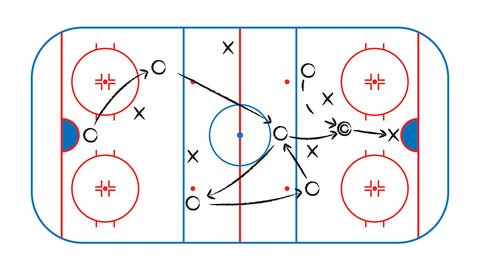
There are three periods in an ice hockey game.
Ever wondered how a game of ice hockey is structured? Many new fans often ask, “how many periods in ice hockey game?” It’s a fair question, since the fast-paced action can make time fly.
The game is actually divided into distinct segments, creating natural breaks in the play. These breaks allow players to recover, and coaches to make strategic adjustments. So understanding this structure is fundamental to enjoying the sport.

How Many Periods in an Ice Hockey Game?
So, you’re curious about how long an ice hockey game really is? Well, let’s break it down. The most common structure you’ll find is that an ice hockey game has three main parts, and these parts are called periods. Think of them like chapters in a book, or acts in a play. These aren’t just random breaks; they are crucial for how the game is played and how teams try to win.
The Standard Three-Period Structure
In most professional and amateur leagues around the world, including the NHL (National Hockey League), an ice hockey game is divided into three periods. Each period is 20 minutes long, and this is the standard length for most adult leagues. This 20 minutes is pure playing time. That means if the puck leaves the playing area, or there is a penalty or an injury, the clock stops. Once the reason for the stoppage is resolved, the clock restarts. So a 20-minute period can take longer than 20 minutes in real-time.
What Happens Between Periods?
After each period, there’s an intermission. These intermissions give the players time to rest, change strategies, get a drink of water, and let the ice get fixed. Typically, these intermissions last for 15-20 minutes. This time is very useful for both teams to analyze their performance and come up with new plans. They might talk about what plays they did well, and what they need to improve on. So, it’s not just a break but a time for planning as well.
Junior and Youth Hockey Period Lengths
While professional leagues use the standard of three 20-minute periods, it’s a little different for younger players. The length of a period is usually shorter for young players, like in junior and youth hockey. This is because younger players have shorter attention spans and need more rest. The shorter periods keep the game fun and engaging without tiring them out too much.
Why Shorter Periods for Youth?
The reason for this is simple. It keeps the game safer and more enjoyable for young players. They have less stamina and need shorter periods to maintain their energy. These shorter periods ensure that young players can focus and play to the best of their ability without becoming too exhausted. It also allows them more frequent breaks for coaching and encouragement.
Typical Youth Period Lengths
Usually, you might see period lengths of 10, 12, or 15 minutes in youth hockey. The exact length depends on the age of the players and the rules of their particular league.
- Younger Age Groups (e.g., Under 8): Often play with 10 or 12-minute periods.
- Older Age Groups (e.g., Under 16): Might play with 15-minute periods.
Overtime in Hockey
Sometimes, a game is still tied after three periods. When this happens, most leagues use an extra period, called overtime. Overtime is a period added to try and determine a winner. The exact format for overtime can vary between different hockey leagues.
Different Overtime Rules
Overtime is a bit like a tie-breaker, and here’s where it can get a bit complex. The length of overtime and how it’s played can be different depending on the league you are watching.
- Sudden Death Overtime: In many leagues, overtime is “sudden death,” meaning the first team to score wins the game. This keeps the pace very exciting.
- Length of Overtime: Overtime in the regular season is often a 5 or 7-minute period. It’s different from the regular periods.
- Playoffs Overtime: During the playoffs, overtime can be much longer, sometimes up to 20 minutes, and it continues until someone scores. It is an intense battle to determine a winner, and this type of overtime can go on for multiple periods until someone can score a goal.
- Shootouts: If no one scores in overtime, sometimes, the game goes into a shootout in the regular season, where a series of players from each team try to score. A shootout is often used in the regular season to determine a winner without extending the game significantly.
The Impact of Period Length on the Game
The length of the periods and the breaks between them are not arbitrary. These are specific choices to improve the game play, and it affects many aspects of the game. Let’s explore some key effects that these different period lengths and intermissions cause.
Player Fatigue and Performance
The 20-minute periods are designed to test player stamina. Players need to be well-conditioned to perform at their best for a full period. The breaks between periods are important because they give players a chance to recover and rest before going back on the ice. This balance between high-intensity play and necessary rest is crucial for the game.
Strategic Gameplay
The way coaches plan for the game is shaped by the period structure. They create plays and strategies that match the timeframes. During each period, a team might aim for offensive, high-pressure attacks or might need to defend hard. They adjust plans in the intermissions to address how the game is going, and this changes the game flow.
The Tempo of the Game
Periods influence the tempo or pace of the game. The first period might start with lots of energy, and then the second might see players finding their rhythm. The third is usually a test of who can keep fighting when they’re most tired. This structure of periods and breaks gives the game a natural flow of intensity and strategy.
Understanding Different League Rules
It’s worth noting that not every ice hockey league follows the exact same period structure or overtime rules. There can be minor variations based on the specific league or country.
International Hockey
International hockey games, like those in the Olympics or World Championships, usually follow similar rules as the NHL, with three 20-minute periods and overtime as described above. However, small rule differences can exist.
College Hockey
In college hockey, the period structure is typically the same, three 20-minute periods, but the overtime rules can vary. There might be sudden-death overtime periods, and sometimes the game could end in a tie if no goals are scored.
Differences in Overtime
One of the most significant variations across different hockey leagues is the approach to overtime and shootouts. Some leagues will go directly to a shootout after a short overtime, while others will try to settle the game in a longer or sudden-death overtime. These differences are something fans and players need to be aware of.
Specific League Examples
Let’s see some examples, to help understand this better.
- National Hockey League (NHL): Follows the three 20-minute periods, and regular-season overtime is a five-minute sudden death three-on-three play, followed by a shootout if necessary. Playoffs overtime is 20-minute periods and sudden death.
- American Hockey League (AHL): The AHL uses a similar format to the NHL, with a seven-minute four-on-four sudden-death overtime in the regular season, followed by a shootout.
- International Ice Hockey Federation (IIHF): Games also use three 20-minute periods, with a five or 10-minute overtime period depending on the tournament, and a shootout if needed.
Why This Structure?
The game structure with three periods and intermissions helps make ice hockey exciting, competitive, and manageable for players. This setup provides a good balance of gameplay, rest, and strategizing. It’s a tried and true method that helps keep the game interesting.
Balance of Play and Rest
The three periods, with intermissions, create an important balance between high-energy game play and rest. This structure makes the game more fun and safer for all the players.
Enhancing the Spectator Experience
The set structure of periods allows for dramatic moments, strategic adjustments, and shifts in game momentum, which makes the game exciting for the fans. The breaks between periods also give fans a chance to discuss the game and prepare for the next section of the match.
Strategic Depth
The structure of the game also adds a lot of strategic depth to the game. Coaches need to make decisions about the timing of their plays and when to utilize players. This adds a layer of strategy and tactic to the game.
Understanding how many periods in ice hockey and the details behind each period, intermission, and overtime helps you better enjoy watching the game. It also helps you appreciate all of the effort that goes into each and every match. From youth hockey to the professional leagues, these different aspects play a vital role in how the game is played and enjoyed by fans. The structure provides a good balance between energy, strategy, and competition.
How Many Periods In Ice Hockey? (Explained)
Final Thoughts
A standard ice hockey game features three periods. Each period lasts twenty minutes of playing time. These periods are separated by intermissions, allowing players to rest. Knowing how many periods in ice hockey game is fundamental to understanding the sport’s structure.
The game clock stops during any breaks in play. This ensures that a full sixty minutes of action occurs. The flow of the game is defined by these structured periods and intermissions. Therefore, the number of periods is key to the game.

