
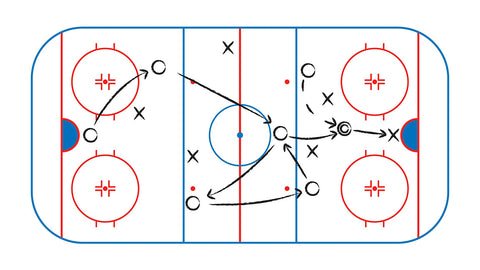
A standard hockey game has three periods.
Ever found yourself wondering, just how many periods is a hockey game? It’s a simple question, but knowing the answer is fundamental to understanding the flow of the sport. The game is structured in a way that builds excitement and keeps fans engaged.
Understanding the structure allows you to follow the action more effectively. Each segment provides opportunities for scoring and strategic plays. This three period format creates the exciting pace of hockey we all love.

How Many Periods is a Hockey Game?
Okay, so you’re curious about how long a hockey game really lasts, right? It’s a fair question! When you watch those super-fast skaters zipping around the ice, it might seem like it goes on forever. But actually, hockey games are broken down into parts, kind of like chapters in a book. These parts are called periods, and understanding how they work helps you understand the whole game. Let’s dive into the exciting world of hockey periods!
The Standard Three Periods
The most common answer to “how many periods is a hockey game?” is three. Yep, in most professional and high-level amateur hockey games, you’ll find there are three main periods of play. These periods are what make up the regular playing time of a hockey game, and each period is 20 minutes long. This doesn’t mean each period takes 20 real minutes on the clock though! There are many things that can stop the clock, like when a player scores a goal, a penalty happens or if the puck leaves the playing area. When the game clock stops, we call it a stoppage in play, it helps to have a pause in play for the game to resume properly. So a 20 minute period can actually last longer, depending on how many times the clock stops. This is part of what makes a hockey game so exciting – it is not just one continuous race against the clock!
What Happens Between Periods?
Between each of the three periods, there’s a short break. This is super important because it gives the players a chance to rest, catch their breath and talk to their coaches. They need to plan their next moves! The time they get to rest is called intermission, and it’s normally about 15 to 18 minutes long in most leagues. During the intermission, teams go back to their locker rooms to discuss game plans, hydrate, and make any necessary equipment changes. Intermissions also give the ice crew time to make the surface nice and smooth for the next period. This break also allows spectators time to get a snack or use the restroom. These breaks are essential in a fast-paced sport like hockey, because players exert so much energy, so short rests helps them to be at their best.
The Role of Overtime
Sometimes, when the three periods of a hockey game end, the score is still tied. This is when the excitement gets cranked up even higher! When the game is tied at the end of regulation time (those three periods), they play an extra period, which is often called overtime. Overtime periods are different lengths depending on the league and level of play. Also, the rules of overtime can be different as well. Let’s explore the different types of overtime to get a better understanding.
Regular Season Overtime
During the regular season, most leagues, including the NHL, use a shorter overtime period. Usually, this is a 5-minute sudden-death period. “Sudden death” means the first team to score wins the game. So, it’s a super intense, fast-paced period where anything can happen! If nobody scores in the 5-minute overtime, usually the game goes to a shootout, where each team gets a few chances to score on the opposing goalie in one-on-one situations. The team with most goals in the shootout wins the game. But, other leagues, may have a 10 minute overtime or continue the game until someone scores.
- Sudden Death: The first goal wins.
- Short Overtime Period: Usually 5 minutes in regular season.
- Shootout: If no goal is scored in overtime, a shootout will be used to decide the game in some leagues.
Playoff Overtime
The playoffs are a whole different ball game when it comes to overtime! In playoffs, if the score is tied after the three periods, an overtime period will be played just like in regular season, but there is one key difference. Instead of a short, 5-minute overtime with a possibility of a shootout, the overtime period is a full 20-minute sudden-death period. If no one scores in that period, they play another 20-minute period. They keep playing 20-minute periods until a team scores. This can mean that some playoff games can last for a very long time, sometimes even going into double or triple overtime! These long games can be very exciting and they make for memorable experiences. This format ensures that the game is ultimately decided by a goal in the game itself rather than by a shootout. The goal of playoff overtime is to have a clear winner every time.
- Sudden Death: First goal wins.
- Full 20-Minute Overtime Periods: Played until someone scores in a playoff game.
- No Shootouts: The winner is determined by scoring the first goal of the period.
Variations in Game Length
While the standard is three 20-minute periods, not all hockey games follow this rule. The amount of playing time and number of periods can differ depending on factors like the age group of the players and level of competition. Younger players might play shorter periods or even fewer periods because they may not have the same stamina as older and professional players. Let’s take a closer look at some of the variations that exist.
Youth Hockey
When you watch young kids learning how to play hockey, you’ll notice their games are a bit shorter than the pros. It makes sense because they are still developing their skills and fitness. Games for younger players may have two or three periods that are shorter, like 10, 12 or 15 minutes. The amount of time played depends on the age and level of the players. Short periods help kids stay engaged and have fun without getting too tired. It’s all about learning the game and developing a love for hockey at a young age. This also makes the game safer for younger players.
International Hockey
In international hockey competitions, such as the Olympics or World Championships, the rules are usually very similar to NHL rules. Games usually consist of three 20-minute periods with intermissions in between and overtime periods. However, there may be small changes in the overtime and shootout rules. But these differences are usually minor and the overall structure of three periods stays the same.
Other Hockey Leagues
Different hockey leagues around the world or even at the college level might have a slightly different structure for a game. For example, some leagues may play shorter periods in their regular season or have a shorter overtime. The game structure is usually set by the governing body of that league. It’s important to be aware that the number of periods and the time in each can vary when watching different hockey leagues and tournaments. It’s always good to check the specific rules of the league you’re following to understand how long the games are.
Why Are Periods Used?
Now that you know about how many periods are in hockey, it might be interesting to understand why hockey is broken up into periods. This structure isn’t random; it serves multiple purposes.
Maintaining Player Performance
Hockey is a very demanding sport that requires lots of physical work. Players skate very fast and they’re always moving, which needs a lot of energy. The use of periods with breaks in between allows players to recover and go back onto the ice with better performance. These breaks help players avoid complete exhaustion and maintain their skill and intensity. With these breaks, players can perform at their very best, making the games more exciting and competitive to watch. The intermission time allows them to hydrate, refuel and get their energy back.
Tactical Adjustments
Intermissions are not just for rest! They are also very important times for coaches to talk to their players and make changes to how they are playing the game. During the intermission, coaches can review what happened in the last period and give their players new strategies for the period to come. They may look at certain weaknesses in their gameplay and make necessary adjustments for the following period. This aspect of the game is very important for team success and is an integral part of the game of hockey. This tactical planning is a very important part of a game.
The Viewing Experience
The periods also make the game more interesting for the viewers. Breaks during intermissions allow fans to get up, stretch, grab a snack, or visit the restroom. If a hockey game was played without any break, it would be too much for everyone! Periods help break up the game in manageable sections, which also enhances excitement, as each period represents a new opportunity for a team to play well. This structure helps to maintain fan engagement and creates a better overall experience. The structure of the periods allows the game to flow in a way that’s enjoyable for the people watching.
Summarizing How Many Periods is a Hockey Game
So, to bring it all together, the most common structure for a hockey game has three periods, each 20 minutes long. There is a short break in between these periods, which is called intermission, it gives players time to rest and coaches an opportunity to strategize. If a game is tied after regulation, overtime is played until a goal is scored in playoffs or for a short 5 minute period, with a possibility of shootout in some leagues in regular season. While the three-period format is the standard, the exact game length and period structure can change depending on the league and level of play. Whether you’re watching young kids or professional players, understanding the structure of hockey periods helps you appreciate the game even more.
Understanding the time breakdown in a game helps you follow the flow and appreciate the strategies within each period. Now that you have a clear understanding of how many periods a hockey game has and all the things that go along with that, you can fully enjoy all of the action and excitement that hockey has to offer!
How Many Periods In Ice Hockey? (Explained)
Final Thoughts
A standard hockey game consists of three periods. Each period lasts 20 minutes of playing time, with intermissions between them. These intermissions provide players a chance to rest and teams to strategize.
Knowing how many periods is a hockey game is fundamental for understanding the sport. Overtime rules apply if a game remains tied after these three periods. These three periods are important to the flow of a game.

