
No, roulette is not a card game; it’s a casino game that uses a spinning wheel and a ball.
Many people find themselves pondering about the nature of casino games. The question, “is roulette a card game?” often arises among newcomers to gambling. It’s a fair point, considering the variety of games available.
Some games utilize decks of cards, while others use different methods. Roulette, with its iconic spinning wheel, clearly falls into the latter category.

Is Roulette a Card Game? Exploring the World of Chance
When you think of casino games, you might picture a deck of cards being shuffled or the exciting spin of a roulette wheel. Both are classic forms of gambling entertainment, but they work in very different ways. This naturally leads to the question, “Is roulette a card game?” The short answer is a definite no! Roulette relies on a spinning wheel and a small ball, not cards. But there’s a lot more to it than just that. Let’s take a deep dive into why roulette is not considered a card game, exploring its unique mechanics and comparing it to other games that do use cards.
Understanding the Basics of Roulette
Roulette is a game of pure chance. At its core, it involves a spinning wheel with numbered pockets and a small ball. Players place bets on where they think the ball will land. This could be a specific number, a color (red or black), odd or even numbers, or groups of numbers. When the wheel slows down and the ball settles in a numbered pocket, the winning bets are paid out. The game is simple to understand, making it popular among both new and experienced casino players. The main components of roulette are:
- The Roulette Wheel: This is a circular wheel with numbered pockets (usually 37 or 38, depending on whether it’s a European or American wheel).
- The Ball: A small ball that is spun around the outer edge of the wheel.
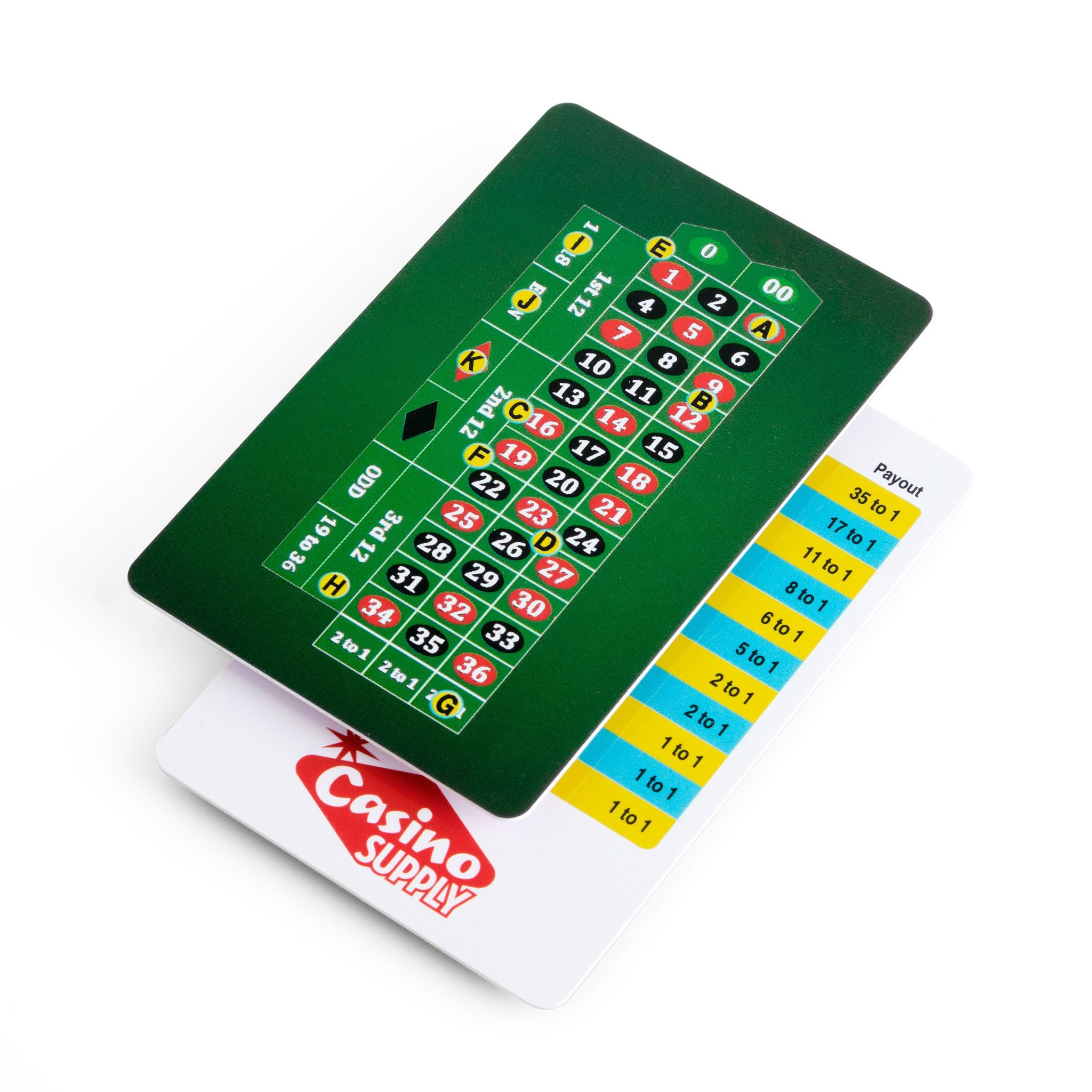
- The Betting Layout: A mat where players place their bets. This mat contains all the numbers on the wheel, along with areas for color, odd/even, and groups of numbers.
How the Game is Played
Playing roulette involves a few simple steps:
- Placing Bets: Players place their chips on the betting layout. You can bet on single numbers, groups of numbers, colors, or other options.
- Spinning the Wheel: The dealer (or a digital system) spins the wheel and releases the ball.
- Waiting for the Result: The ball eventually comes to rest in one of the numbered pockets.
- Payouts: Winning bets are paid out according to the specific odds of each bet.
Defining a Card Game
Now, let’s contrast this with what makes a game a “card game.” Card games are defined by their use of a deck of playing cards. These cards come in different suits (like hearts, diamonds, clubs, and spades) and have different numerical or face values. The primary element of a card game is the manipulation and use of cards, whether it’s drawing, discarding, comparing, or building hands. The game revolves around the cards themselves and how players strategically or randomly interact with them. Some of the well known card games are:
- Poker: A game of skill and strategy where players try to form the best hand possible with their cards.
- Blackjack: A game where players aim to get as close to 21 as possible without going over, using the values of their cards.
- Bridge: A trick-taking card game played with four players, requiring partnership and complex strategies.
- Solitaire: A single player card game, testing patience and logical deduction skills.
Key Elements of Card Games
To summarize, a card game typically includes:
- A Deck of Cards: The fundamental tool used in the game.
- Card Suits and Ranks: Card games rely on the specific values and suits of cards for their gameplay.
- Dealing and Drawing: Players often draw cards to create a hand or interact with the game.
- Rules for Card Play: Each game has different rules about how to use cards and win.
Roulette vs. Card Games: Key Differences
The fundamental difference between roulette and a card game lies in their core mechanics. Roulette is about the random landing of a ball on a spinning wheel, while card games are about the manipulation and use of cards. There is no crossover in core mechanics. Here’s a table that highlights the key differences:
| Feature | Roulette | Card Game |
|---|---|---|
| Primary Element | Spinning wheel and ball | Deck of playing cards |
| Game Play | Betting on where the ball will land | Drawing, discarding, and strategizing with cards |
| Randomness Source | Physical ball on a rotating wheel | Shuffling and dealing of cards |
| Strategy | Primarily focused on bet placement and understanding odds | Involves tactical gameplay and decision making |
| Game Structure | Circular layout with numbers | Hands and tricks |
Strategic Differences:
The strategic elements differ greatly as well. In roulette, your main strategy is deciding what and how much to bet. You can choose to make low-risk bets (like betting on red or black) or higher-risk bets (like betting on a specific number), but you cannot influence the outcome of the spin. Card games, on the other hand, often allow for far more active strategic input. Players can make decisions that can directly impact the outcome, like choosing which cards to play or how to bluff. This active engagement is a core part of many card games, which roulette does not share.
Similarities Between Roulette and Card Games (And Why They Don’t Change the Definition)
Although fundamentally different, roulette and card games do share some similarities that might sometimes cause confusion. Both are gambling games, usually found in casinos. Both offer opportunities to win money, they both involve a certain amount of randomness, and they both depend on a set of rules. These similarities, however, don’t change the basic fact that one uses cards, and the other uses a wheel and ball. They are different species within the category of games of chance. Let’s examine these similarities:
- Chance and Randomness: Both game types depend on random outcomes. The specific pocket where the ball will land in roulette is random, and the order of cards in a deck is random once shuffled. This randomness creates a sense of excitement and suspense.
- Betting Systems: Both types of games often involve betting systems where players may employ certain strategies to try and maximize their chances of winning. These systems might seem similar across the two, but the difference is that these betting systems are applied to different core mechanics.
- Casino Environment: Both card games and roulette are commonly found in casinos, offering entertainment and betting options. Because of this shared space, it’s easy to understand why someone might group them together, but that doesn’t mean they’re in the same category of game type.
The Impact of these Similarities
These shared qualities do make these games appealing to similar audiences. People who enjoy the thrill of chance and the potential for winning might enjoy both roulette and card games. However, the mechanics are still distinct. A key reason for the confusion sometimes stems from the fact that people are generally familiar with card games and have a hard time wrapping their minds around a new mechanic for a game of chance. This is purely a cognitive effect and not a reason to assume that roulette is therefore a card game. The reality is these similarites highlight the broad appeal of chance based games but doesn’t change the fundamental distinction between the different game types.
The Role of Probability in Roulette and Card Games
Probability plays a vital role in both roulette and card games, but it manifests differently. In roulette, the probability of each outcome is consistent across each spin of the wheel, since the mechanics remain unchanged each time. This predictability is a defining part of roulette. In card games, the probability of specific outcomes changes as cards are dealt or drawn. For example, the odds of drawing a specific card from a deck change as cards are removed. The different mechanics in these two types of game create the different ways probability is a factor.
Understanding Probability in Roulette
In roulette, the probability is clear. For example, on a European wheel, there are 37 numbers, so the probability of the ball landing on any single number is 1 in 37. Because the odds are fixed on each spin, the game does not change in probabilities as you keep playing. The consistency of roulette probability makes the game predictable in terms of odds calculation.
The probability of outside bets is also straightforward:
- Red/Black or Odd/Even: Approximately 18/37 (almost 50%, but slightly less due to the presence of one or two zero pockets depending on the roulette type).
- Groups of Numbers: Have specific probabilities based on how many numbers are included in the group.
Understanding Probability in Card Games
Probability in card games is more dynamic. The act of dealing or drawing cards changes the probabilities of the remaining cards. Here’s how probability plays out in card games:
- Drawing Specific Cards: The probability of drawing an Ace from a 52-card deck is 4/52 or 1/13. After the first Ace is drawn the probability of drawing another ace becomes 3/51.
- Card Combinations: The probability of forming certain combinations in games like poker changes during each round.
- Strategic Decisions: In card games, probability is used to make strategic decisions, for example deciding whether to draw more cards, to fold, or how to bluff.
In card games, players need to consider how the cards that have already been played influence the remaining deck and their strategic decisions, whereas in roulette, only the wheel and the ball are considered. This different dynamic in probability is another significant difference between the two. The main consideration for roulette is to make good choices based on the fixed odds, whereas in card games it involves dynamically calculating odds as the game progresses.
The Cultural Significance of Roulette and Card Games
Both roulette and card games have deep cultural roots. They’ve been featured in countless films, novels, and works of art. They have become symbols of gambling, entertainment, and even risk taking. Although they are distinct, they have both become embedded in popular culture in very different ways. Here is a look at how:
Cultural Impact of Roulette
Roulette has become a visual symbol of the casino. The image of the spinning wheel and the small ball has been a favorite setting in many movies, giving a scene immediate association with a casino. Some examples of this are:
- Movies and TV: Roulette scenes often create suspense and tension, showing characters risking it all on the spin of a wheel.
- Luxury and Glamour: Roulette tables are associated with fancy casinos, often seen as a symbol of high-stakes games and sophisticated entertainment.
- Theme: Roulette themes have been used in events, parties, and advertising for a luxurious feel.
Cultural Impact of Card Games
Card games are associated with strategy, competition, and social interaction. Unlike roulette, card games are less likely to be thought of as casino exclusive, due to the fact that people play card games in private homes as entertainment. These games are seen as more personal, and have also been the setting for many popular moments in pop culture:
- Social Gatherings: Card games are seen as a form of friendly competition and social activity, often played in private homes.
- Strategy and Skill: Card games are depicted as mental tests of skill and intelligence. The poker face is a prime example of this.
- Themes: Card games are also commonly used in popular culture, using cards as a theme for movies, games, and events.
These contrasting cultural influences underscore the difference between the two forms of games, despite both featuring in the world of gambling entertainment. These two types of games represent different facets of chance-based entertainment, roulette embodying the thrill of pure chance, and card games emphasizing strategic engagement. Even though both games appear in similar settings and represent chances to win, they play completely different roles culturally.
Roulette, with its spinning wheel and ball, stands apart from the world of card games. It’s a game of chance based on physics, not the manipulation of a deck of cards. While both roulette and card games share the common goal of entertainment and the potential for winning, their mechanics, strategies, and cultural significance are distinct. Understanding the unique nature of each game enhances the appreciation of their individual roles in the world of gambling and entertainment. So, while you might find both in a casino, remember that roulette is not a card game, it’s a game that’s all about the spin of the wheel.
This Russian Roulette game is absolutely brutal…
Final Thoughts
Roulette uses a spinning wheel and numbered pockets, not playing cards. Therefore, it relies entirely on a physical apparatus for its outcome. The game involves betting on where a ball will land.
Ultimately, is roulette a card game is a question answered quite simply: no, it is not. Roulette is a game of chance that employs a wheel, not cards. This makes it clearly distinct from card games.

