
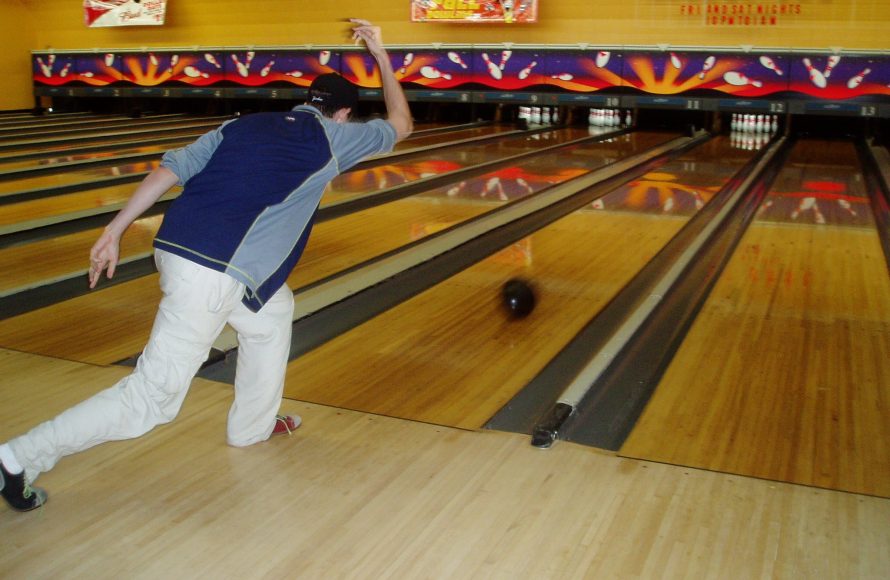
There are ten pins in a standard game of bowling.
Have you ever wondered about the arrangement at the end of the bowling lane? The setup seems simple, yet it’s fundamental to the entire game. Understanding the number is essential, so let’s clarify: how many pins in bowling game are there?
This seemingly straightforward question has a concise answer that forms the basis for scoring and strategy. It’s the first thing beginners learn and a concept that experienced players take for granted.

How Many Pins in a Bowling Game?
So, you’re curious about bowling and wondering just how many pins are involved in a game? It’s a great question, and the answer is actually quite simple! Get ready to learn all about those standing targets and why they are so important in the sport of bowling.
The Standard Number: Ten Pins
In most bowling games, you’ll find exactly ten pins. These pins are arranged in a triangle shape at the end of the lane. When you throw your bowling ball, your goal is to knock down as many of these ten pins as possible. This ten-pin setup is the most common and the one we’ll be focusing on primarily.
Let’s break down what makes these ten pins special. They’re not just randomly placed; there’s a very specific way they are set up.
Pin Arrangement: The Triangle
Imagine looking down the bowling lane. At the far end, where the pins sit, you’ll see a distinct triangle. This triangle shape is crucial for the game. Here’s how the pins are arranged:
- Row 1: There is 1 pin. This is called the head pin.
- Row 2: There are 2 pins. These are located behind the head pin, forming the next level of the triangle.
- Row 3: There are 3 pins, making up the third layer of the triangle.
- Row 4: There are 4 pins, completing the bottom of the triangle.
The pins are spaced evenly apart, and this precise arrangement plays a huge role in how the ball reacts and how you score points. If you’ve ever watched a professional bowler, you’ll notice they try to hit certain spots in that triangle, to get the best possible chance of knocking all the pins down!
Pin Numbering System
Each of the ten pins has its own number. This is helpful when learning about different bowling strategies or when understanding how to pick up spares. Let’s look at the numbering, from the front of the pin formation to the back:
- The front pin is the 1 pin. It’s also sometimes called the headpin.
- The next two pins, right behind the 1 pin, are the 2 pin and 3 pin. From the bowlers perspective, the 2 pin is on the left and 3 pin is on the right.
- The next three pins back are the 4, 5, and 6 pins.
- And the last row of 4 pins are the 7, 8, 9, and 10 pins.
Knowing these pin numbers is important as you learn about different bowling strategy and what pins to hit to make spares.
Different Types of Bowling: Variations on the Theme
While the ten-pin game is the most popular, bowling does have some variations where the number of pins differ. Let’s check these out:
Nine-Pin Bowling
Yes, there is a version of bowling with only nine pins. It is often played in areas where bowling traditions developed before the ten-pin version became popular. The rules also differ from the classic ten-pin game, but the basic objective remains the same, which is to knock over as many pins as possible. The pin arrangement is usually a diamond-shape with nine pins and the scoring rules will also be different than in the ten-pin game.
Candlepin Bowling
This is another unique form of bowling, mostly found in New England and the Maritime provinces of Canada. In this version, they use ten thin, straight pins that resemble candles, and are called candlepins! They are thinner than the typical bowling pins you are used to seeing and there are no finger holes on the bowling ball. One more thing that makes this type of bowling unique is that you are allowed to use the fallen pins from previous throws. These are called “deadwood”.
Duckpin Bowling
Another bowling game is called Duckpin Bowling, which is similar to Candlepin Bowling. It uses smaller balls without finger holes and the pins are shorter and squatter than the regular ones. The pins resemble duckpins. In duckpin bowling, there are ten pins in a regular triangle setup and you get three chances to knock them over per frame. This game is usually found in the northeastern part of the United States.
The Role of Pins in Scoring
The number of pins you knock down directly impacts your score. Every pin counts, and understanding how pins relate to scoring will make you a much better bowler! Let’s break down some key points.
Strikes and Spares
One of the most exciting parts of bowling is getting a strike. A strike happens when you knock down all ten pins on your first throw of the frame. When a strike is scored, it means the player gets to add the pin count of their next two throws into their score. The symbol for a strike is an “X” on the score sheet.
If you don’t get all ten pins on the first try, then you have another chance to knock the rest down with your second ball in that frame. If you manage to get the rest of the pins down on your second throw, that’s called a spare. A spare means that you get to add the pin count of your next throw to your score. A spare is symbolized by a “/” mark on the score sheet.
Open Frames
When you don’t get all the pins down, even after throwing both balls in a frame, it is called an open frame. In an open frame, you only get the count of the pins you knocked down that frame and there are no bonus points. If you left pins standing you were unable to knock down, this is called a split.
Scoring: A Quick Recap
Here’s a quick table to help you remember the basics of scoring:
| Situation | Action | Score |
|---|---|---|
| All ten pins knocked down on first throw. | Strike | 10 points plus the total of your next two throws |
| Some pins on first throw and the rest on the second throw. | Spare | 10 points plus the total of your next throw |
| Some pins on first throw and some left standing on the second throw. | Open Frame | The total number of pins you knocked down |
Remember, each game of bowling usually has ten frames. The last frame can have a unique scoring depending on how many strikes or spares you make in it.
Why Ten Pins? The History and Tradition
The standard ten-pin game has a history that goes back many years. While the specific origins are a bit debated, it’s thought that ten-pin bowling, as we know it today, was standardized in the late 1800s. The ten pins became the standard, and various different variations of the sport were removed over time. The ten-pin game, due to it being popular and having formalized rules, became the standard for organized competitions all over the world. It is recognized in international tournaments and is a favorite past time for many people across the globe. The ten pins provide the perfect number for a challenging and fun game of bowling. There’s a balance of skill and a little bit of luck involved, which makes it engaging and very entertaining.
Strategies for Hitting the Pins
Now that you know there are ten pins, let’s talk about some simple strategies that can help you knock them down! The most common strategy is to focus on the 1-3 pocket for right handed bowlers, and the 1-2 pocket for left handed bowlers. These spots are between the head pin (the 1 pin) and the pins directly behind them. Hitting this pocket at the right angle should help you get a strike.
Another great strategy is focusing on the “pin action”, which involves learning where the ball should be hitting for strikes and spares, so you can start making better shots at the pins. For example, if you have to get a spare and the 7 and 10 pins are left standing, you will need to aim for the corner pins to increase the chances of getting the spare.
Practice will help you learn these strategies and understand how your ball reacts on the lane. The more you bowl, the better you’ll understand how to target and knock down those ten pins, no matter how they are set up!
Bowling for Fun and Friendly Competition
Bowling is not just about hitting all ten pins, it’s about having fun. The good thing about bowling is that it is an activity for people of all skill levels. Whether you’re a beginner or a seasoned bowler, the goal remains to knock down as many pins as possible and have fun in the process. It’s a great way to get some exercise, hang out with family and friends, or even have some friendly competition.
So next time you head to the bowling alley, keep in mind the ten pins and the exciting challenges they bring. They’re the heart of the game, and understanding their setup, and how they work in relation to scoring will make your game more fun and more engaging! Remember, it all starts with those ten pins arranged in a triangle, waiting for your best shot.
In conclusion, while various forms of bowling exist, the standard game most people know and love revolves around ten pins. Understanding the setup, scoring, and strategies around those ten pins will help you better enjoy the game of bowling. From the satisfying crash of a strike to the strategic plays for spares, the ten pins are the center of it all. So, grab a ball, hit the lanes, and have some fun knocking them down!
The Rules of Ten Pin (10 Pin) Bowling – EXPLAINED!
Final Thoughts
Ten pins stand ready at the start of each frame in a standard bowling game. Players aim to knock them all down. This is the core objective.
The game revolves around how many pins in bowling game a player can strike. A perfect game involves knocking all ten down every time. The scoring system calculates points based on pinfall.
So, in a typical bowling game, you’ll always encounter ten pins set up.

