
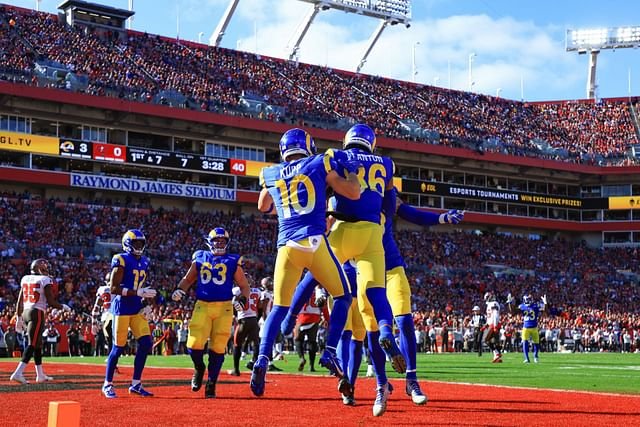
A maximum of 48 players can dress for an NFL game.
Ever wondered about the logistics behind an NFL game? It’s not just about who’s on the roster, but also about who’s actually suited up and ready to play. This leads to the question, how many players can dress for an nfl game?
The answer is somewhat less than the total team size. Each team has a full roster with plenty of athletes, yet the number who can wear their uniform on game day is restricted. This is to manage gameplay and provide a balance of player usage.

How Many Players Can Dress for an NFL Game?
Have you ever wondered how many players are actually on the sidelines during an NFL game? It’s not just the guys you see on the field! It’s a whole team effort, and there are rules about who gets to wear a uniform and be ready to play. Let’s dive into the details of how many players can dress for an NFL game.
The Active Roster: The Heart of Game Day
The main group of players who can actually play in a game are part of what’s called the “active roster.” This is the core of the team you’ll see battling it out on the gridiron. The active roster size is determined by the rules of the National Football League and is very important to understand. Let’s see how it works:
The Magic Number: 53 Players
Each NFL team is allowed to have a total of 53 players on their active roster during the regular season. This means that these 53 players are the ones available for selection to play in a given game. The roster can be comprised of any combination of offensive players, defensive players, and special teams players. For example, a team may carry two quarterbacks, five running backs, four wide receivers, three tight ends, 10 offensive linemen, eight defensive linemen, six linebackers, 10 defensive backs, one kicker, one punter, and one long snapper.
How Roster Limits Impact Strategy
Having this set number of 53 players forces coaches and general managers to think carefully about who they keep on the team. They need to make sure they have the right amount of players at each position, and also consider players who have special skills that could help the team win. These decisions are super important and can make or break a team’s season. A good team will have depth across all positions so if there are injuries or ineffectiveness, there are backups ready to play.
Game Day Inactives: Not Everyone Gets to Play
Just because a player is on the 53-man roster doesn’t mean they get to play in every game. There are always players who are not activated for a specific game. These players are called “inactives,” and they’re an important part of game-day strategy.
The Game Day Active List: 48 Players
Each team must declare 7 players as “inactive” for each game. These players are part of the 53-man active roster, but they will not be allowed to play in the game. The purpose of this is to make sure there are enough players to meet the needs of the game. Generally, there are 48 players from the 53-man active roster available to play each week.
Reasons for Inactive Players
So, why are some players inactive? There are a few common reasons:
- Injuries: If a player is hurt, they might be inactive to rest and recover.
- Strategy: Coaches might choose to sit a player if they think another player will match up better against the opposing team.
- Performance: Sometimes, a player might not be playing their best and might need to sit out to work on their skills.
- Special Teams Needs: Teams may keep certain players active to play on special teams. Therefore, some players with not much role on offense or defense might sit out.
The inactive list can vary week to week based on the specific circumstances a team faces. It’s not unusual to see players go from inactive to active and back again from game to game.
Practice Squad: The Development Squad
Besides the 53-man active roster, each NFL team also has a “practice squad.” These players do not dress for games. However, they play a vital role in team preparation.
Size of the Practice Squad: 16 Players
Each NFL team is allowed to have 16 players on their practice squad. These players practice with the team, but they don’t play in games unless they are moved to the active roster. The players on the practice squad are often young players who need more experience, or veterans who were not able to get on to the active roster.
The Purpose of the Practice Squad
The practice squad serves several important purposes:
- Development: The practice squad is a great place for young players to learn and improve their skills. They get to practice with the team, learn the plays, and get coaching, all while not facing pressure of an NFL game.
- Depth: Practice squad players can be moved to the active roster if a player gets hurt or is playing poorly.
- Scout Team: Practice squad players sometimes act as the “scout team”, mimicking the opposing team’s plays to help the active players get ready for the game.
The ability to elevate a practice squad player to the active roster is an important element of team flexibility. It provides a valuable depth option for teams.
Other Personnel: The Team Behind the Team
While the players on the active roster, inactives list, and practice squad are crucial for game day, there are many other individuals that are part of the team. These are important for success of team, but they do not dress or play in the game. Let’s take a look at some of these people.
Coaching Staff
Coaches are the brains behind the operations. They develop game plans, make substitutions, and motivate the team. The coaching staff includes:
- Head Coach: The main leader and strategist.
- Offensive Coordinator: In charge of the offense.
- Defensive Coordinator: In charge of the defense.
- Special Teams Coordinator: In charge of kicking and punt plays.
- Position Coaches: Coaches for specific positions like quarterbacks, offensive line, wide receivers, etc.
- Assistant Coaches: Coaches who help the position coaches.
Medical Staff
The medical staff is responsible for keeping the players healthy and safe. They include:
- Team Doctors: The doctors who look after the team.
- Athletic Trainers: Who treat injuries on a day-to-day basis.
Other Staff
There are many other people who help the team such as:
- Equipment Staff: They make sure all the gear is ready for game day.
- Team Managers: Who assist the coaches and players with daily tasks.
- General Manager: They oversee the management and scouting.
The Sideline: A Crowd of People
When you watch an NFL game, you see the players on the field and the coaches on the sidelines. But there are many other team personnel on the sidelines. It’s a large and important group that supports the players. The sideline can sometimes appear crowded with people from players, staff, and other personnel.
Who Else is on the Sideline?
Besides the active players and coaches, the sidelines often contain:
- Inactive Players: While they are not able to play, they are still part of the team and must be present.
- Medical staff: Always close by to provide any support for injured players.
- Equipment managers: In case a player needs something replaced or adjusted.
- Team Managers: To handle logistics during the game.
The sidelines are a hub of activity with all of these roles contributing to the team’s operation during the game.
Game Day Roster Summary
Let’s recap the main points regarding the number of players who dress for an NFL game:
- Active Roster: 53 players are on the team’s main roster. These players can potentially play.
- Game Day Active List: From the active roster, 48 players are eligible to play in each game.
- Inactive List: 7 players from the active roster are designated as inactive for the specific game.
- Practice Squad: 16 players practice with the team but do not dress for games unless they are promoted to the active roster.
- Other Personnel: There are many other staff members and coaches that support the team, but do not dress for games.
These numbers are regulated by the NFL and are important for understanding game day operations. These rules help ensure fair competition and provide team flexibility. It is a carefully organized system that includes both players and staff who are important to the team’s performance.
In the end, the number of players who dress for an NFL game is not just about the 53-man roster; it’s about the 48 active players who are ready to hit the field and the team around them who make it all happen. Each group plays a different role, contributing to the overall success of their team.
NFL Football Players 🏈 Heading to the Game outfits 😭😭 #shorts #viralvideos #nfl
Final Thoughts
In summary, each NFL team can dress a maximum of 48 players for a game day, if they have more than 44 players. When they have less than 44 players, the maximum is 46, this rule impacts team strategies.
The active roster size changes, which is important for coaches. They must make tough choices about which athletes can play. This also directly answers the question of ‘how many players can dress for an nfl game’. It is all about the game day roster.

