
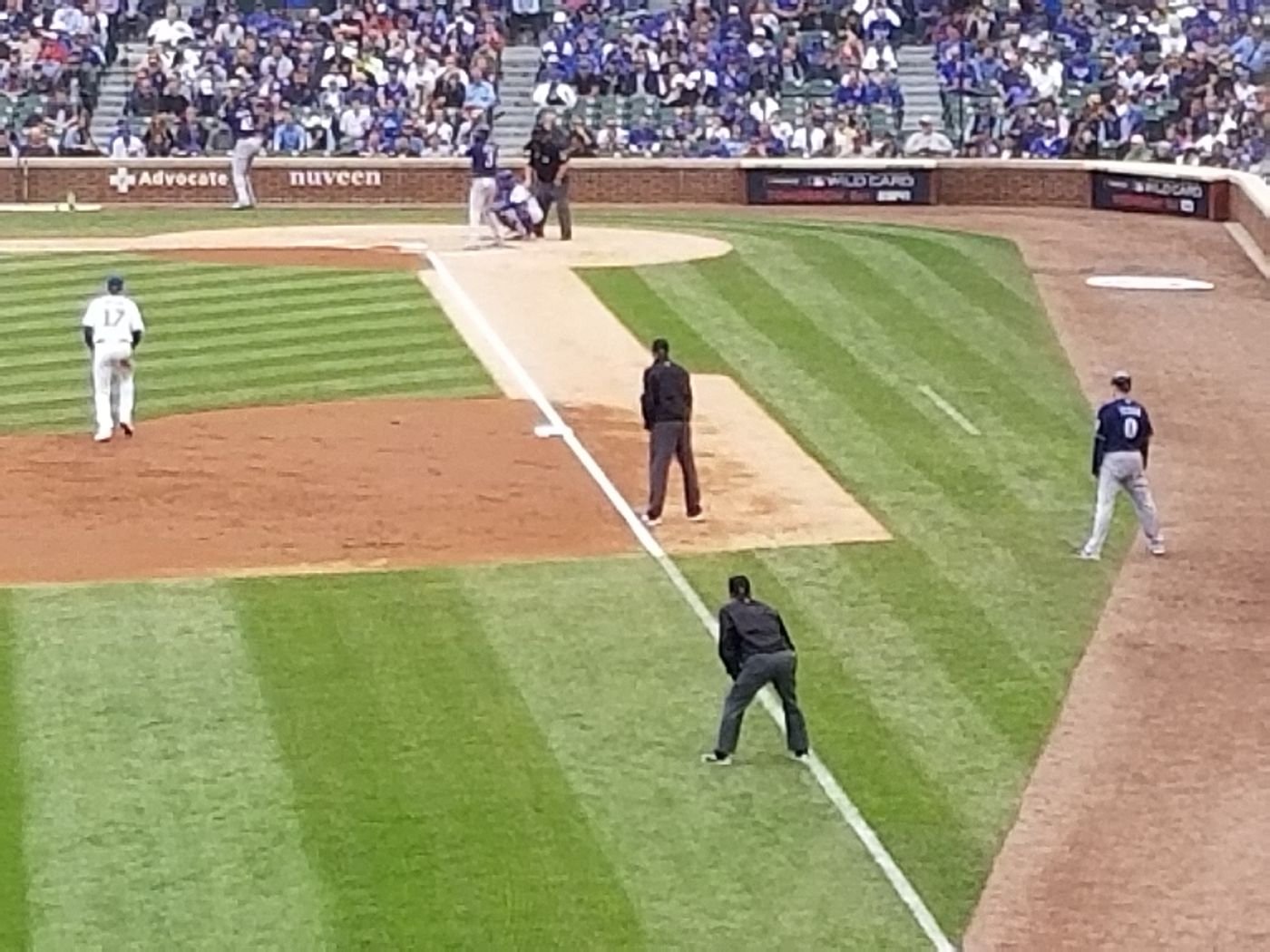
In a standard baseball game, there are four umpires.
Ever watched a thrilling baseball game and wondered how many umpires are in a baseball game? These crucial figures manage the game from behind the plate and out on the bases. They keep the game fair and ensure players follow the rules.
Four umpires are a common sight in most professional and higher-level amateur games. Their positions, including home plate, first base, second base, and third base, work to effectively oversee the game. Each umpire has specific responsibilities.

How Many Umpires Are in a Baseball Game?
Okay, let’s talk baseball! You’re watching a game, and the players are amazing. But have you ever really thought about the people wearing blue or black, the ones who aren’t hitting, catching, or throwing? Those are the umpires, and they’re super important. They make sure everyone plays fair. So, how many umpires do you actually see in a baseball game? The answer isn’t always the same, and it depends on the level of the game. Let’s explore this question in detail.
The Standard Umpire Crew
In most baseball games you’ll watch, especially at the professional level like Major League Baseball (MLB), you’ll see a crew of four umpires. This is the standard setup. Each umpire has a specific job to do, and they all work together to keep the game running smoothly and fairly.
The Home Plate Umpire
The home plate umpire is probably the one you notice the most. They are positioned right behind the catcher and are responsible for several key aspects of the game. Here’s a closer look:
- Calling Balls and Strikes: This is their main job. They watch where the baseball passes as it crosses the plate. If it’s in the strike zone (a specific area over the plate), it’s a strike. If it’s outside, it’s a ball. The home plate umpire’s call determines the outcome of many pitches and at-bats.
- Calling Outs at Home Plate: If a runner tries to score, the home plate umpire determines if the runner is safe or out. This can be an exciting play and the umpire’s call is crucial.
- Fair and Foul Balls: The home plate umpire also makes calls about balls hit near the plate. They need to decide whether a batted ball is fair (in play) or foul (out of play).
- Making Important Decisions: They can also make other important decisions near the home plate, such as ruling on interference or other rule infractions.
The Base Umpires
Besides the home plate umpire, there are three base umpires in a standard four-person crew. These umpires are positioned at or near the bases and handle a variety of different responsibilities. Here’s a breakdown of their roles:
- First Base Umpire: This umpire stands near first base. They make calls on whether a batter is safe or out when they run to first base. They also rule on plays at first when a runner tries to advance.
- Second Base Umpire: This umpire is in charge of plays at second base. They determine if a runner is safe or out and also make calls about runners trying to steal the base. This umpire moves around a lot, positioning themselves so that they have the best view of the action on the field.
- Third Base Umpire: This umpire has responsibilities similar to the first base umpire, but at third base. They make calls about runners reaching third base safely and also rule on plays near the base when runners are advancing toward home.
How Umpire Positioning Works
Umpire positioning is a science. The umpires don’t just stand around. They move around during plays to get the best view. For example, if a ball is hit to the outfield, the base umpires will often move toward the play to make the correct call about a catch or out. The umpires use signals to communicate and make sure they agree on what happened during a play.
Variations in Umpire Crews
While a four-person umpire crew is the most common at professional levels, the number of umpires can change based on the level of the game. Here’s a look at some common variations:
Two-Umpire Crews
You’ll see a two-umpire crew often in lower-level baseball games, such as little league, high school, or recreational leagues. With just two umpires, both must be versatile and move around the field to cover different bases and make calls. One umpire will typically focus on home plate while the other will cover the bases. Their positioning changes during the game to cover all the action. In this setting, one umpire still calls balls and strikes at home plate, and the other roams the bases. This makes their jobs more demanding as they have more to cover with less help.
Three-Umpire Crews
Sometimes, you might see a three-umpire crew in certain leagues or tournaments. In this setup, one umpire is still at home plate, and the other two umpires handle the base positions, with one often taking the role of roaming umpire. The roaming umpire is like a mix between the base umpire and can move based on the needs of play. This three-person crew tries to cover more with less help and is not used in high-level games.
Six-Umpire Crews
At the highest levels of baseball, such as the playoffs or the World Series, you might see a six-umpire crew. This is done to ensure that every play is thoroughly watched and called correctly. In this configuration, the four regular umpires still work as normal. However, the two additional umpires are positioned along the foul lines in the outfield. This added umpiring provides additional viewpoints and can help ensure correct and consistent calls on close plays that happen at the corners of the outfield. They’re often called the “line umpires” or “field umpires,” and their presence allows for a comprehensive and more precise judgment. Having the extra set of eyes can help reduce incorrect calls.
The Importance of Umpires
Now that you know about the number of umpires and their responsibilities, you can probably see why they’re so important. Without umpires, baseball games would quickly become chaotic. Here’s why they are so crucial:
- Fair Play: Umpires ensure that everyone follows the rules and plays fairly. They make calls based on what they see, so the game is decided by skill and not by cheating.
- Keeping Order: They keep the game organized and prevent arguments. They’re the authority on the field, and their decisions help the game progress without delays.
- Safety: Umpires also watch out for safety. They can make rulings to protect players. For instance, they can call time if there is an injury on the field.
Using Technology
In modern baseball, technology such as video replay is sometimes used to assist the umpires with their calls. Even with this, the human judgment of umpires remains vital. These technologies don’t always remove the human element. Rather, they are additional tools used to help umpires be more accurate. The technology helps to clarify calls, especially the really close calls that have major game impacts.
The Umpire’s Perspective
Being an umpire is not always easy. The umpires need to have a deep understanding of the rules, excellent judgment, and the ability to remain calm under pressure. They must be able to make quick decisions in a split second, and be accurate. They also must have thick skin because fans often argue with their calls. The umpires spend lots of time training to become good at their job. They work hard to ensure that games are fair and enjoyable for everyone involved.
So, next time you watch a baseball game, take a moment to appreciate the umpires, no matter how many are on the field. They’re an essential part of the game, just as much as the players, and their work helps ensure a good game for everyone.
How Many Umpires Does It Take to Call a Baseball Game?
Final Thoughts
Typically, a standard baseball game features four umpires. These officials position themselves strategically around the field to ensure fair play. However, in some higher-level competitions, like Major League Baseball, the number of umpires increases to six.
The core group of four generally includes an umpire behind home plate, one at each base, and additional umpires in various positions for six umpires. So, to answer how many umpires are in a baseball game, the basic number is four, with more at higher levels.

