
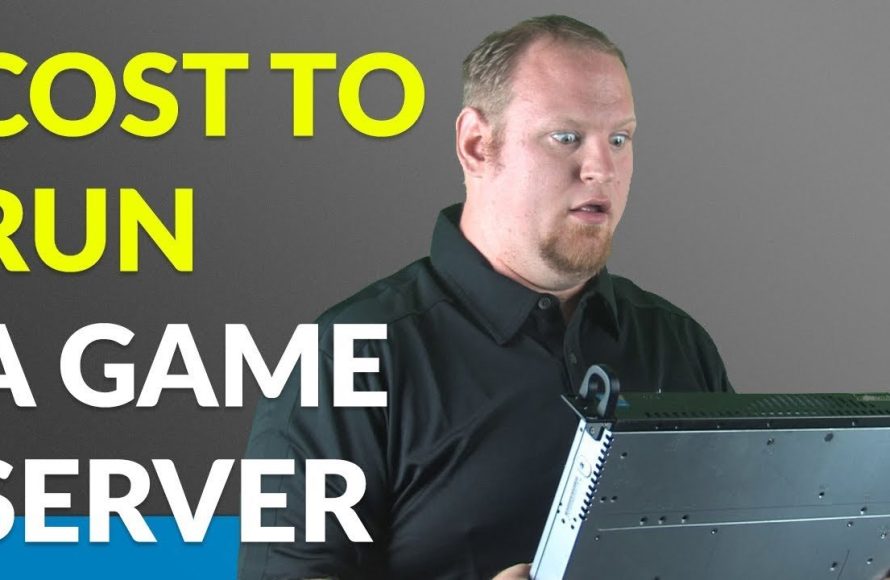
Game server costs vary greatly, ranging from a few dollars per month for basic setups to hundreds for high-performance dedicated servers.
Ever wondered about the real cost behind hosting your favorite multiplayer games? You are not alone, a common question is, how much are game servers? It’s not a straightforward answer, as prices fluctuate based on several things.
Different games and player numbers greatly affect what server you’ll need. Things like RAM, CPU, and storage all influence the monthly price.

How Much Are Game Servers?
So, you want to make your own awesome online game world? That’s super cool! But before you get too excited about building castles and battling monsters, there’s one big question you need to ask: how much does a game server cost? It’s like renting the playground for all your friends to play on, and just like renting a real playground, it comes with a price. The cost of game servers isn’t always straightforward and can be a bit confusing. Don’t worry, we’re here to break it down and make it easy to understand.
Understanding the Basics: What are Game Servers?
Let’s start with the basics. What exactly is a game server? Think of it as the engine that powers your online multiplayer game. It’s a powerful computer, somewhere else in the world, that runs the game’s rules, keeps track of all the players, and makes sure everyone can play together smoothly. When you play a game online with your friends, your computer connects to this server. The server sends and receives information, like where your character is moving, and what actions you are making. This helps everyone see the same thing at the same time and have a great time playing together.
Types of Game Servers
There are different types of servers for different kinds of games. Some servers are for huge, massively multiplayer online games (MMOs), where hundreds or even thousands of people play together at once. These need to be super powerful and cost more. Other servers are for smaller games, where only a few friends play at once. These are less expensive and easier to set up. Let’s look at some of the common types:
- Dedicated Servers: These are servers that are only used for your game. They are like renting a whole house just for your party. They are powerful and reliable, but also the most costly.
- Virtual Private Servers (VPS): Imagine renting an apartment in a building. You have your own space, but you share some resources with others in the building. VPS servers are less costly than dedicated servers, but might not be as powerful.
- Cloud Servers: This is like renting a room in a hotel, where you can easily increase the size of your room (resources) as needed. Cloud servers are very flexible and scalable, and you pay only for what you use.
- Shared Servers: Think of this as sharing a table at a restaurant. You share the same server with other people who are running different games. This is the least expensive option, but the performance might not be very good, especially if the other people are playing very demanding games.
Factors Influencing the Cost of Game Servers
Now that we know the different types of servers, let’s talk about what makes some servers cost more than others. There are several things that affect the final price. Let’s explore them step by step.
Server Location
Where the server is located matters a lot. Think about it like this: If you and your friends are playing a game and the server is far away, it takes longer for the information to travel back and forth. This causes something called “lag,” where the game feels slow and jerky. That’s why it’s important to choose a server location that’s close to the people who will be playing the game. Servers located in popular areas, like North America and Europe, often cost more than servers located in other parts of the world. If your players are mostly in Asia, for example, it would be a good idea to select a server closer to them, even if it might be a bit more costly than one located on another continent.
Server Hardware
Just like computers and gaming consoles have different components like processors and RAM, so do game servers. These components control how fast and smoothly the server operates. Better hardware, like a faster processor and more memory, usually means a higher price. If your game is graphically intensive and involves many players, you’ll need a server with beefier hardware. On the other hand, a simpler game will usually need less powerful hardware and will cost less to run. Below are some important hardware components to consider:
- CPU (Central Processing Unit): The CPU is the brain of the server, and it processes all the game’s instructions. A faster CPU can handle more players and complex actions smoothly.
- RAM (Random Access Memory): RAM is like the server’s short-term memory. More RAM lets the server keep track of more things at once, which helps avoid slow-downs.
- Storage: Storage is where the server keeps the game files, player data, and other important information. The more storage you need, the higher the cost might be. Solid-state drives (SSDs) are faster than traditional hard drives (HDDs), but are also more expensive.
- Bandwidth: Bandwidth is how much data the server can send and receive at a time. If you have a lot of players or the game has a lot of data to move around, you’ll need more bandwidth, which will also cost more.
Number of Players and Server Capacity
The number of players who can join your game at the same time is another major cost factor. A server that can only handle 10 players will obviously be cheaper than a server that can host 100 players. When you look for a server, you will see it has a player capacity. This will indicate how many players can simultaneously use the game in a smooth and enjoyable experience. If you expect to have many players at once, or if your game requires a lot of server resources per player, then you’ll need to spend more on a higher-capacity server.
Operating System
The operating system (OS) is like the software that runs the server. Common OS choices are Windows and Linux. Linux is often less expensive because it’s open-source (meaning free to use), and it has a wide range of support for games. Windows servers can be easier to set up for some games, but generally require extra licensing costs.
Managed vs. Unmanaged Servers
Game servers can be managed or unmanaged. Managed servers have technical support and server updates handled by the provider. This is much easier if you’re new to servers. Unmanaged servers give you full control, but you need to manage everything yourself, including server updates, security patches, and other technical tasks. Unmanaged servers are cheaper, but require you to have the knowledge and time to take care of it. Managed servers give you peace of mind, but they cost more.
Cost Breakdown: What to Expect
Now let’s talk numbers! How much money are we actually talking about? Keep in mind that these numbers are estimates, and the price can be different depending on your location, the provider you use, and specific requirements. Here are some general price ranges to give you an idea:
Low-Cost Options: Shared and Basic VPS Servers
If you are starting with a very small game, or just testing it out with a small group of friends, you can expect to pay in the range of:
- Shared Servers: These can cost as little as $5 – $15 per month. They are suitable for very small games with only a few players, but performance might not be great.
- Basic VPS Servers: These servers can be obtained for about $10 – $30 per month. They offer better performance than shared servers and are good for small to medium-sized games with a moderate number of players.
Mid-Range Options: More Powerful VPS and Cloud Servers
If you need more power for larger groups of players and a smoother experience, you might look at:
- Powerful VPS Servers: These servers usually cost between $30 to $80 per month, offering more resources and better performance. They are suitable for medium to larger-sized games with a decent number of players.
- Cloud Servers: Cloud servers pricing can be flexible, ranging from $20 to $100+ per month. You pay based on what you use. They are a great option for growing games because you can increase the resources as your game becomes more popular.
High-End Options: Dedicated Servers
If you want the best experience for large games or those with many players simultaneously, you will likely need:
- Dedicated Servers: Dedicated servers can cost $100 per month, going up to $500+ per month, or even more depending on the hardware. They are very powerful and provide the best performance, ideal for large, complex games with many users.
Additional Costs to Consider
Remember that the server itself isn’t the only expense. There are some other costs you might need to consider:
- Data Transfer (Bandwidth): Most providers will include a certain amount of data transfer with the server, but if you go over that limit, they will likely charge extra. So always check this limitation before purchasing any plans.
- Setup Fees: Some providers might charge an initial setup fee when you start your service.
- Software Licenses: If you need a particular OS or server management software, these might require separate licenses, adding to your monthly cost.
- Technical Support: If you choose to get managed server support, that will come with an additional cost, depending on the plan you choose.
Game-Specific Cost Considerations
The type of game you’re hosting also impacts how much a server will cost. Some games have more demanding requirements, while others are more casual:
MMOs (Massively Multiplayer Online Games)
These games, like World of Warcraft or Final Fantasy XIV, usually require the most powerful servers because they have so many players interacting at once. The complexity of these game worlds also requires powerful processors, lots of RAM, and significant bandwidth. Running a server for an MMO can easily reach into the hundreds or thousands of dollars per month, depending on the player count and the game’s complexity. You will need to manage and take care of the server’s maintenance to keep the game in a good working condition.
First-Person Shooters (FPS)
Games like Counter-Strike or Call of Duty need servers that can process fast actions and movement quickly and accurately. That means low latency (low delay) and high tick rates (how often the server updates). These kinds of games need good CPUs and excellent network connections, so the costs can be in the mid to high ranges, as it involves fast data processing and low latency.
Minecraft and Sandbox Games
Minecraft servers can be quite resource-intensive depending on the number of players and the complexity of the game world. However, smaller servers for just a few friends can be relatively inexpensive. The cost varies based on whether you have a basic vanilla world or a more complicated modded world. These can range from low cost to medium cost.
Indie Games
Indie games come in many forms, so it’s hard to provide an exact price point. Generally, their servers are easier to manage, with a lower cost if the game is designed to be smaller or a casual game. Some Indie games can be very demanding and need larger and more powerful servers, and that means more expensive cost.
How to Save Money on Game Servers
Now that we know how much servers can cost, let’s talk about some ways to save some money and still have a great experience for your players.
Start Small and Scale Up
Don’t start with the most expensive and powerful server. Start with a smaller server that matches your expected player count, and scale up only when you need to. This means you can save money when you’re starting out and only pay for what you’re currently using.
Choose the Right Server Type
Think carefully about what kind of server you really need. If you’re just starting out with a small group of friends, you probably don’t need a dedicated server. A VPS or cloud server could be a much more cost-effective solution for the beginning, and you can always upgrade your server later.
Optimize Your Game
Make sure your game is well-optimized. This means that the game doesn’t have a lot of extra stuff that slows down performance. If your game is efficient, it will need less power from the server, which means lower costs. Work on your game coding and make it less resource demanding.
Look for Deals and Discounts
Many server providers offer discounts or special offers from time to time. Do a little bit of research and comparison between the providers and look for promotions that suit your needs. Some companies offer free trials or special promotions for new customers. This is a good way to try out a server without paying extra.
Monitor Server Performance
Keep a close eye on how your server is performing. If you notice that the server is not using all of its resources, it means you might be able to downgrade to a cheaper server. On the other hand, if you notice that the server is overloaded, it means that it’s time to upgrade to a more powerful plan. If you keep an eye on it regularly, you might be able to save money on your server costs.
Consider Hosting Your Own Server (Advanced)
If you have the technical knowledge and equipment, you can consider hosting your server yourself. This could be a more budget-friendly option, but it requires a strong understanding of hardware, networking, and server management. However, if done well, you can save a lot on hosting your own server and also have better control over all the game aspects.
Consider Server Clustering (Advanced)
If you have many players on your server, and your game demands huge resources, then you might think about setting up a server cluster. The server cluster is many servers that work together, and this is a complicated setup, but it might help the game run better, by splitting the tasks across many servers. This is an advanced method and usually used for very big multiplayer games. This can be more cost effective than having one massive server with expensive hardware to handle everything. You can also spread the server load and decrease the chance of your server crashing or experiencing slow-downs.
Remember, the cost of game servers is something that needs to be carefully considered, as it impacts your overall costs. It’s essential to find a balance between performance and affordability. If you are new to game servers, we recommend starting small and scale up your server needs as your game gets more popular. By doing this you can avoid paying for unnecessary server resources in the beginning.
Understanding the factors that affect game server pricing is vital for anyone looking to create a multiplayer game. By choosing the right type of server, considering server locations, and looking at hardware specs, you will be able to make informed decisions to balance cost and gaming performance. Also be aware of additional cost like bandwidth and software licenses, as these can quickly increase your total monthly expense.
By optimizing your game, starting small, and monitoring your server performance, you can make sure that the game is enjoyable and playable without breaking the bank. The cost of game servers may initially seem complicated, but with a clear view of your needs, a little research, and some savvy choices, you can create your perfect online game world without worrying too much about costs.
Servers vs Desktop PCs as Fast As Possible
Final Thoughts
Game server costs vary greatly depending on several factors. These include server size, player capacity, and desired features. Location and managed services also affect prices.
Therefore, accurately answering “how much are game servers” requires careful evaluation of your specific needs. Budgeting should include the base server fee as well as possible add-on expenses. Remember to consider these aspects while planning.

