
To get good at fighting games, practice consistently, learn character-specific moves and matchups, and analyze your losses to improve.
Ever felt that thrill of intense combat, the strategy behind every punch and kick? Many dream of dominating the arena but wonder how to get good at fighting games. It’s a journey that requires more than just button mashing.
The path to success is paved with dedication, not innate talent. Understand your character’s strengths and weaknesses. Every game has its own nuances, learning them can help.
Analyze your matches, see what worked, what failed and refine your approach. Don’t get discouraged with setbacks, they are part of growing better.

How to Get Good at Fighting Games
So, you want to become a fighting game champion? That’s awesome! Fighting games can seem super tricky at first, with all the fast moves, combos, and strategies. But don’t worry, everyone starts somewhere. Getting good at fighting games is a journey, not a sprint. This guide will walk you through the steps, helping you improve your skills and have a lot of fun along the way. We will cover choosing a game, learning the basics, practicing effectively, understanding the deeper parts of gameplay, and how to improve your mental game.
Picking the Right Fighting Game
Before you jump in, choosing the right game is important. There are many different fighting games out there, each with its own style. Think of it like choosing a sport – some people like basketball, some prefer soccer, and some enjoy swimming. You need to find the game that clicks with you.
Different Types of Fighting Games
Fighting games are not all the same, they come in different types. Understanding these can help you find a game that best suits your taste and playstyle.
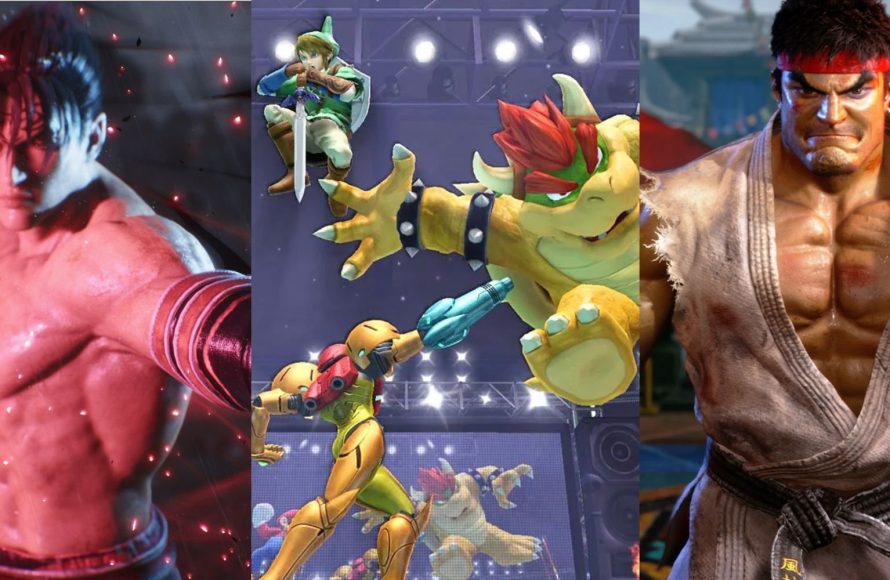
- 2D Fighters: These are the classics. Think of games like Street Fighter, Mortal Kombat, and Guilty Gear. They usually have characters fighting on a two-dimensional plane, moving left and right.
- 3D Fighters: Games like Tekken and Soulcalibur fall into this category. They let characters move around in a three-dimensional space, including moving towards and away from the screen.
- Arena Fighters: Games in this category, like Dragon Ball FighterZ and Naruto Shippuden: Ultimate Ninja Storm, often feature large, open stages and fast-paced action.
- Platform Fighters: Super Smash Bros is the most famous of this style. Instead of focusing on traditional health bars, you need to knock opponents off the stage.
How to Choose a Game for You
Here are some questions you should ask yourself to find the best fighting game for you:
- What kind of art style do you like? Some games have realistic graphics, while others have a more cartoonish or anime-inspired look.
- Do you want a simple or complex game? Some games are easy to pick up, while others have a very steep learning curve.
- Do you prefer fast-paced or more methodical gameplay? Some games are all about button-mashing action, while others require more careful planning and execution.
- What is the community like? A strong, active online community can make your experience a lot more enjoyable.
Once you have a general idea of what you are looking for, try out a few different games and see which one grabs your attention the most. Don’t be afraid to switch games if you feel like it’s not the right fit!
Learning the Basics
Once you have picked a game, it’s time to learn the basic moves. Every fighting game has a unique set of controls and actions.
Understanding Game Controls
It’s very important to understand the basics of your chosen game. Don’t assume you can just jump in and win; take time to get familiar with these controls.
- Movement: Learn how to walk, dash, and jump. These are very important for both attacking and avoiding danger.
- Basic Attacks: Find out what the light, medium, and heavy attacks are. See the range and speed of every attack.
- Special Moves: These are usually performed by pressing buttons in a certain order or direction. This will be important when you start making combos.
- Blocking and Defending: Learn how to block, and when to do so. This will keep you safe from damage.
- Throws and Grabs: Many fighting games have these, and learning how to do them is also important.
The Importance of the Tutorial and Practice Mode
Most fighting games have a tutorial mode, and you should absolutely use it! The tutorial walks you through all of the basic moves and game mechanics. Practice mode is also very useful. It allows you to practice the game moves and combos without any pressure from other players.
- Complete the Tutorial: This is usually the first thing you should do when playing a new fighting game.
- Use Practice Mode: Take some time to practice everything that you’ve learned in the tutorial. Try to do the moves on both sides of the screen.
- Practice Basic Combos: Most fighting games have simple combos you can learn right away. Knowing these will be very important to winning.
Practicing Effectively
Okay, you know the basic controls and moves. Now you need to work on your technique and skills, and be consistent when practicing.
Focusing on Fundamentals
The fundamentals are the core elements of any fighting game. These are the small things that you need to practice again and again until you can do them without even thinking. This would be like learning your multiplication table in math, you need them to solve more advanced problems later on.
- Movement and Spacing: Learn how to move around the stage to avoid attacks and get into a good position to attack.
- Spacing: This is about knowing where to position yourself so that you can hit your opponent, but they can’t hit you.
- Hit Confirming: You need to be able to see when your attack hits so you can confirm the combo.
- Punishing: This is taking advantage of the openings that your opponent creates, for example when they miss an attack.
Setting Goals and Tracking Progress
Don’t just hop into matches and hope to get better. Set goals for your practice and keep track of how you improve. You will be able to see how much you are improving which will motivate you to continue practicing.
- Start Simple: Focus on just one or two things at a time, so that you do not get overwhelmed with information.
- Record Yourself: Use the recording tools in your console, or phone to record your gameplay, so you can see your mistakes.
- Review Your Mistakes: Look at the recordings that you have made and try to identify why you lost a match.
- Track Your Progress: Keep a diary to track your progress and goals and write down how you improve over time.
Diving Deeper into Gameplay
You have gotten a good grasp of the basics. Now, let’s delve into the more intricate aspects of the game and take your skills to the next level.
Understanding Character Matchups
Every character in a fighting game is unique. Some characters are good at close-range combat, while others are better at long-range attacks. Learning about different characters and how they interact with each other is very important. It’s about understanding which characters you can play well against and the ones that are difficult to play against.
- Research Characters: Find out which characters are easy to learn, and which are hard to play.
- Play Different Characters: You don’t always have to play the same character. Play a few different ones to understand them better, and get better at your game.
- Watch Pro Players: Pay attention to how the pro players are using the different characters.
Learning Advanced Techniques
Many fighting games have advanced techniques that can give you an edge in combat. This is all the skills that require a lot of practice, but can make a huge difference in your performance.
- Combos and Cancels: Combos are a sequence of moves that can deal a lot of damage. Cancels are used to chain these moves together.
- Mix-ups: These are different ways to attack your opponent so that they have a hard time predicting what you’ll do next.
- Setups: These are attacks that put your opponent into a predictable position so that you can follow up with a combo or other attack.
- Neutral: This is the state in the game where both players are moving and trying to get into an advantageous position to attack. You need to be good at this to open up your opponent and be able to attack them.
The Mental Game
Fighting games are not just about physical skill, they are also about mental strength and strategy. You need to be calm and focused to play well.
Dealing with Losses
Losing is a part of the learning process. No one wins every match. It’s important to stay positive and learn from your mistakes.
- Don’t Get Discouraged: Losing is a great way to improve and learn what you need to practice.
- Review Your Losses: See what you did wrong and try to see what your opponent did that led to their victory.
- Take Breaks: If you start getting angry after losing, take a break and come back with a fresh perspective.
Developing a Strategy
Having a plan is better than going into a fight randomly. Before a match, take time to decide how you are going to play. You can try to make your strategy based on how the opponent is playing.
- Plan Your Approach: Think about what you are going to do before you start the game.
- Adapt Your Strategy: If your strategy is not working, do not be afraid to change it in the middle of a fight.
- Practice Your Strategy: Use your training mode to practice your strategies, and see how they perform before taking it into a real game.
Staying Calm and Focused
It’s easy to get stressed out in a close fight, but it’s important to stay calm and focused. When you are not stressed out, it’s easier to make quick decisions.
- Deep Breaths: Take a deep breath before each match to calm yourself down.
- Focus on the Game: Pay attention to what’s going on in the game instead of being distracted by other things.
- Stay in the Moment: Don’t worry about the future or the past. Focus on the now, and what’s happening in front of you.
Finding a Community
Playing with others can help you improve, and will keep you motivated to play more.
Joining Online Communities
Online communities are a great place to meet other players, ask for tips, and find others to play with.
- Discord Servers: Find the Discord servers of the games that you are playing, and join them to meet and talk to people.
- Online Forums: Look for the forums of the games that you are playing, and read them to learn more.
- Social Media Groups: Join the social media groups of the games that you are playing, and talk to other players.
Playing with Others
Playing with friends can help you enjoy the game and learn more about it.
- Local Play: Playing at your friend’s house or in your local game store with your friends.
- Online Play: Playing online with friends through your console or PC.
- Tournaments: Participate in tournaments to test your skills and meet new people.
Getting good at fighting games takes time and practice. Don’t be afraid to lose. Just focus on getting better with each game. With hard work and dedication, you can become a great fighter!
A Beginners Guide: How to Learn ANY Fighting Game
Final Thoughts
Practice consistently, focusing on one character to build muscle memory. Analyze your replays to identify mistakes and areas needing improvement. Playing against better opponents is very important because it helps you to learn faster.
Don’t neglect the importance of learning basic techniques, like movement and blocking. A good understanding of game-specific mechanics is a must. This combination of focused training and learning is crucial.
Ultimately, how to get good at fighting games depends on dedication. You must consistently apply these ideas and actively learn from each game you play.

