
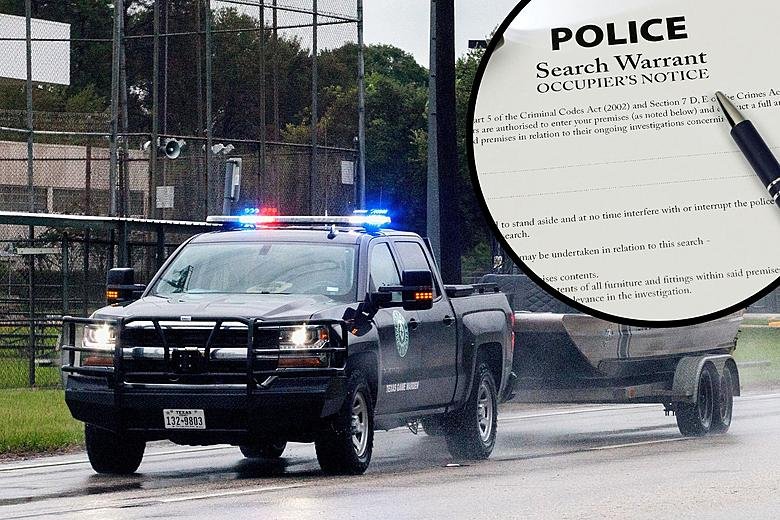
Game wardens possess considerable authority, including the power to enforce hunting, fishing, and conservation laws, issue citations, make arrests, and seize equipment.
Ever wondered about the scope of power held by individuals patrolling our natural spaces? The question, “how much authority does a game warden have”, often sparks curiosity. They are more than just park rangers; they’re law enforcement officers dedicated to protecting wildlife and their habitats.
Their roles can involve anything from checking licenses to investigating poaching incidents. Understanding the extent of their powers is important for both outdoor enthusiasts and anyone interested in wildlife conservation. This article will explore the various responsibilities and the legal backing behind their actions.

How Much Authority Does a Game Warden Have?
Ever wondered what a game warden can and can’t do? They’re not just out there counting deer or making sure you have a fishing license. Game wardens, also sometimes called conservation officers or wildlife officers, have a very important job protecting our natural resources. They have a surprising amount of authority, and understanding what they can do is important for everyone who enjoys the outdoors.
The Power to Enforce Wildlife Laws
The core of a game warden’s authority stems from their power to enforce state and federal wildlife laws. These laws are in place to protect animals, plants, and their habitats. Think of them as the police officers of the natural world, but with a special focus. Their job isn’t just about handing out tickets; it’s about conservation and making sure we all play our part in keeping the environment healthy. They are responsible for making sure that people are following laws about:
- Hunting and Fishing Regulations: This includes things like license requirements, bag limits (how many animals you can take), legal hunting seasons, and the types of equipment allowed.
- Protecting Endangered Species: Game wardens work to protect animals and plants that are in danger of disappearing. This can mean enforcing laws against poaching or protecting habitat.
- Habitat Protection: Laws exist to protect certain natural areas, like wetlands or forests. Game wardens make sure these areas are respected.
- Boating Laws: In areas with lakes and rivers, game wardens might also enforce laws related to boating, such as safety regulations and proper boat registration.
- Waste Disposal and Littering: They also work to ensure that outdoor recreational areas are kept clean, sometimes enforcing laws against waste disposal and littering.
What does enforcing these laws mean?
Enforcement can come in different forms. Often, it starts with a simple conversation and education. However, it can also escalate. Here’s what a game warden might do:
- Issue Warnings: If someone is breaking a law unintentionally, a warden might give a verbal or written warning.
- Issue Citations: These are like tickets, and often come with a fine.
- Make Arrests: In cases of more serious violations, such as repeated offenses or poaching, wardens can arrest people.
- Seize Equipment: If someone is using illegal equipment, a warden can take it. This could include guns, traps, fishing gear, or even boats or vehicles.
- Conduct Investigations: Game wardens often investigate crimes related to wildlife, such as illegal hunting or fishing.
Search and Seizure Powers
This is a big part of a game warden’s job. Just like police officers, game wardens have specific powers related to searches and seizures. However, it’s not unlimited. They need legal grounds to conduct these. The laws about search and seizure by game wardens are designed to balance the need to protect wildlife with the rights of individuals. Here are the specific things they can do:
- Inspection of Licenses and Permits: Wardens can ask to see your hunting, fishing, or trapping licenses at any time.
- Inspection of Game: They can inspect any game that has been taken to make sure it was done legally. This can include checking animals in your possession and how it was taken.
- Vehicle and Boat Inspections: If there is a reason to suspect a violation, they can inspect your vehicle or boat. This might mean looking for illegal equipment, untagged game, or any other evidence of a crime.
- Search with Probable Cause: If they have reasonable suspicion that a crime has been committed, they can search your property. This does not mean they can search randomly. “Probable cause” means they have specific facts that lead them to believe a law has been broken.
- Search Warrants: In some cases, a warden needs a search warrant issued by a judge before conducting a search. This is especially true when searching private residences.
It’s important to be cooperative and respectful. Remember, if a game warden asks to see your license or inspect your gear, it doesn’t mean you’ve done anything wrong. They’re simply doing their job. Refusal to cooperate or provide needed information can lead to further trouble.
The Importance of Training
Game wardens do not just get to go out into the field, they first must undergo rigorous training. They’re not just experts in wildlife, they are law enforcement officers, first and foremost. Their training includes:
- Law Enforcement Academies: Similar to police officers, they go through specialized law enforcement training. They learn about the laws they enforce, legal procedures, and how to handle potentially dangerous situations.
- Wildlife Biology and Management: They study animal behavior, ecosystems, and how to manage wildlife populations.
- First Aid and Survival Skills: They need to be able to survive in the outdoors and provide first aid in emergencies.
- Firearms and Defensive Tactics: They receive training in firearms and how to protect themselves and others.
- Public Relations and Communication: A big part of their work includes interacting with the public, so they need to communicate effectively.
Why is this training important?
The intense training is important because it allows them to effectively enforce laws and handle diverse situations. Game wardens regularly work alone and encounter a variety of challenges, including dealing with armed individuals, covering vast areas of wilderness, and sometimes interacting with people who are not being cooperative. They must remain calm and in control, and this training helps them do just that.
Limitations of Authority
While game wardens have significant power, it’s important to know they also have limitations. They aren’t above the law and must follow proper procedures. Here are some key limitations:
- Constitutional Rights: Like any law enforcement officer, game wardens must respect people’s constitutional rights. They can’t perform illegal searches, make arrests without reason, or violate civil liberties.
- Jurisdictional Limits: A state game warden’s authority usually only extends within the borders of their state. They cannot enforce laws in other states, unless there is a specific agreement or federal law in place.
- Proper Procedures: They must follow set procedures for every interaction, from issuing a ticket to making an arrest. Any misstep could invalidate their actions.
- Limited Jurisdiction: Although they are law enforcement officers, their main focus is wildlife and conservation law, other areas are handled by police officers. They cannot stop you for speeding on a highway, that is a task for state or local police.
- Private Property Rights: Generally, a game warden cannot enter private property without reasonable suspicion of a violation or a warrant. There are some exceptions, for example, private land that is posted as open for public hunting.
These limitations are in place to protect individuals from overreach by law enforcement and ensure fairness in the legal process. If you feel like a game warden has overstepped their authority, you have the right to file a complaint or consult with a legal expert.
Interacting with a Game Warden
Knowing how to interact respectfully with a game warden can make a big difference. Here are a few tips:
- Be Cooperative: If a game warden asks you for your license, identification, or to inspect your gear, be calm and polite. Being confrontational or uncooperative is not a good idea and can escalate things quickly.
- Be Honest: Provide clear and factual answers when they ask you questions. Never give false information to a game warden.
- Ask Questions: If you don’t understand why they are asking you questions or inspecting your items, politely ask for clarification. They should be able to tell you why.
- Know the Laws: The best way to avoid problems is to know and follow all the hunting, fishing, or other outdoor recreation laws. If you are ever unsure, it’s always best to ask ahead of time, or review the state’s wildlife regulations.
- Document the Encounter: If you think a warden has violated your rights, write down the details as soon as possible. This can help you file a complaint if you think that is needed.
Remember, game wardens are people who have dedicated their careers to protecting our natural resources. While they have a job to do and must enforce laws, most are genuinely interested in helping people enjoy the outdoors responsibly. Working together is a good way to help preserve the wildlife that we all enjoy.
The Role of Game Wardens in Conservation
Game wardens are much more than just law enforcement officers. They play a vital role in the overall health of our environment. Here are some additional responsibilities they have related to conservation:
- Wildlife Monitoring: They help monitor wildlife populations, keeping track of animal numbers and health. This information is used to set hunting regulations and make other conservation decisions.
- Habitat Management: They often participate in habitat restoration projects, working to improve natural areas for wildlife.
- Public Education: They also educate the public about wildlife and conservation. This can include giving talks at schools, leading educational programs, and providing information to the public.
- Working with Other Agencies: They often cooperate with other conservation agencies to protect wildlife. This can mean working with scientists, environmental groups, and other government organizations.
Why is this important?
By focusing on conservation, game wardens are helping to preserve natural resources for future generations. Without their efforts, our environment would not be the same. They often work behind the scenes to protect animals and the environment from illegal activities, while also educating the public. They are a critical part of any effort to protect and preserve nature for years to come. Their work extends beyond handing out tickets. They are on the front lines of conservation and do a lot to help to keep our world healthy.
Game wardens have a great deal of authority, but they are also guided by law and a commitment to conservation. Understanding their powers, and the limits to that power, is important for everyone who enjoys spending time in nature. By being informed, cooperative, and respectful, we can all contribute to the health of our environment.
Texas Game Wardens: What You Need to Know
Final Thoughts
Game wardens possess considerable authority within their jurisdiction. They enforce hunting, fishing, and wildlife laws. Game wardens may stop vehicles, check licenses, and inspect equipment.
They can make arrests for violations and issue citations. Game wardens also investigate reports of illegal activity and collect evidence. Their powers are crucial for protecting natural resources.
Ultimately, how much authority does a game warden have is significant, they must respect the law while upholding conservation efforts. This ensures a delicate balance between human activity and wildlife preservation.

