
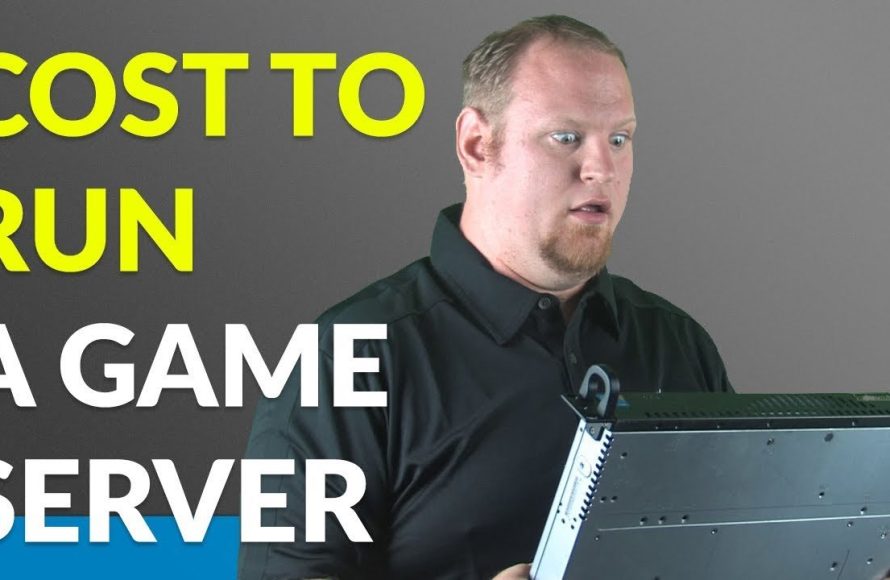
Game server costs vary greatly, ranging from a few dollars per month for small, basic setups to hundreds or even thousands for large, dedicated servers with high player counts.
Ever wondered how much do game servers cost? The answer isn’t simple; it depends heavily on the game, player count, and required resources. A small indie game might have minimal server requirements, while a massive multiplayer online game demands significant infrastructure.
Factors like server location, storage, and bandwidth play crucial roles in the final price. Understanding these elements helps you budget effectively for your gaming community. Choosing the right server will impact your users experience significantly.

How Much Do Game Servers Cost?
So, you want to make your own awesome online game? That’s super cool! But before you start imagining all the fun, there’s a big question: how much does it actually cost to keep a game server running? It’s not like plugging in a video game console. Game servers are like the special computers that let everyone play together online. They need to be powerful and always on. Let’s break down the costs and see what goes into keeping these virtual worlds alive.
The Basics: What Makes Up Server Costs?
Think of a game server like a mini-city that needs lots of things to function well. The main costs are usually tied to:
- Hardware: This is the actual computer that runs your game. Like any computer, it has a brain (CPU), memory (RAM), and storage (hard drive or SSD).
- Operating System (OS): This is the basic software that makes the computer work. You often need to pay for a special one designed for servers, like Windows Server or a Linux distribution.
- Bandwidth: This is how much data is transferred between the server and the players. More players and more action mean more bandwidth is needed.
- Location: Where your server is physically located matters. Servers in popular areas often cost more to rent.
- Maintenance: Just like your bike needs oiling, servers need maintenance. This includes backups, updates, and fixing problems.
- Support: If something goes wrong, you’ll likely need help from the server company, which may also cost extra.
It’s also essential to remember that the kind of game you’re running has a massive effect on the overall cost. A simple 2D game won’t require as much “oomph” as a complex 3D world with lots of players.
Types of Game Servers
Before diving deep into costs, let’s look at some different ways you can host a game server. Think of them as different types of houses for your game.
Dedicated Servers
Imagine you have a whole house just for your game. That’s like a dedicated server. You have the entire machine to yourself. It is the most powerful and customizable option, but it comes at a higher price. You don’t share the resources with anyone else.
- Pros: Full control, best performance, very reliable.
- Cons: Most expensive, requires technical know-how.
Virtual Private Servers (VPS)
A VPS is like having an apartment in a building. You share the building (the physical machine) with others, but your apartment (virtual server) is separate. It’s often a good middle ground between cost and performance.
- Pros: More affordable than dedicated servers, good flexibility, decent performance.
- Cons: You are sharing the physical server’s resources with others and therefore you may experience performance fluctuations.
Game Hosting Providers
These companies are like landlords who specialize in renting out houses specifically designed for games. They take care of a lot of the technical parts. Game hosting providers are often user friendly, with pre-made setups and easy configuration panels.
- Pros: Easy to set up, good support, often come with pre-installed game files.
- Cons: Less control, may be more costly for some games in the long run, might limit customization of game settings.
Hardware: The Heart of the Server
The computer running your game needs to be pretty strong. The main things that affect the cost are:
Central Processing Unit (CPU)
This is the “brain” of the computer. A better CPU will be able to handle more players and more complex game logic. Think of it as how fast your brain can think. You will need a server with a high clock speed, so your game can process data fast. You need to choose a CPU which has a good single core performance, since most of the game server programs use one or two cores of a CPU for the processing.
Random Access Memory (RAM)
This is like the computer’s short-term memory. It stores data that the CPU is actively using. More RAM means the server can handle more things at once, like more players and in-game events. If your game is complex and uses lot of resources, you will need more RAM to keep everything running smoothly.
Storage (Hard Drive/Solid State Drive – SSD)
This is where the game files and player data are stored. An SSD is much faster than a hard drive (HDD), which will help with loading times and overall performance. SSDs are usually more expensive than HDDs, so that will also affect the server costs.
Network Card
Your server uses a network card to connect to the internet. The network card determines the data throughput of your server. So, you need to pick a network card according to how many players you are expecting to play on your server at the same time. A high performing network card will help in smooth gameplay.
Operating Systems: The Server’s Foundation
The OS makes the server’s hardware work. You have choices here.
Windows Server
Windows Server is a common choice, but often requires a license fee. It’s easier to use for people familiar with Windows and supports many game servers. But it also often costs more.
Linux
Linux is free and open-source. It’s often the preferred option for more technically skilled people. It can be a bit harder to set up at first, but it is very customizable and affordable.
Bandwidth: The Data Highway
Bandwidth is the amount of data that your server sends to players and vice-versa. Think of it like lanes on a highway. More players mean more traffic. A server with low bandwidth can lead to lag and problems in the game. Most server providers charge for bandwidth, and it is essential to understand how much you need.
- Inbound Bandwidth: How much data your server receives, like player actions.
- Outbound Bandwidth: How much data your server sends out, like game updates and other player’s movements.
Location: Where in the World?
Where your server is located affects how fast players can connect. If most of your players are in Europe, a server in Europe is best. The closer the server is to the players, the lower the lag will be.
Here’s why location matters:
- Latency (Ping): This is the delay between a player’s action and the server’s response. Lower latency means smoother gameplay.
- Cost: Servers in certain popular areas cost more to rent. A server in a big city might be more expensive than one in a smaller town.
Maintenance and Support
Running a server isn’t just about setting it up and forgetting about it. Regular maintenance is important. Maintenance includes backing up data, installing new updates, and fixing problems. You’ll also need to decide how much support you will need.
Server Maintenance
- Backups: Regularly backing up all data can save you from losing important game data.
- Updates: Keeping server software up to date protects against errors and increases security.
Customer Support
Having good support can be a life saver if something goes wrong with your server. Most server companies offer different kinds of support, which might be available 24/7 or during certain hours. Some support may be included in the cost, whereas others you may need to pay extra for. If you are not very technical, good support may be worth the cost.
Game-Specific Costs
The type of game you’re hosting also impacts costs. A simple Minecraft server will be different from a large-scale multiplayer shooter server.
Simple 2D Games
These games don’t need as much power. A VPS or a low-end dedicated server might work just fine. These are often the most affordable types of game servers.
Minecraft Servers
While Minecraft may seem simple, it can use a lot of resources, especially with lots of players. The need for RAM is very high, especially when using mods or plugins, and also depends on the number of players, so you should consider that when you choose your server hardware for Minecraft.
Massively Multiplayer Online Games (MMOGs)
These games require very powerful servers because they handle thousands of players in real time. A top-of-the-line dedicated server, or multiple servers, is almost always required. These game servers are very costly due to their requirement of extremely fast processors, large memory, huge disk space for storing game data and high bandwidth.
Competitive First-Person Shooters
These games need very low latency and high performance. Dedicated servers are usually needed with powerful CPUs. You will also need a very fast network card in your server for this purpose. These servers tend to be very costly for small game developers.
Estimating Costs: Real Numbers
Alright, let’s look at some actual prices. Remember that these can change a lot depending on the provider, your needs, and the resources you need.
Basic Game Server (Small 2D game, few players)
- VPS: $5 – $20 per month
- Game Host: $10 – $30 per month
Moderate Game Server (Minecraft, more players)
- VPS: $20 – $50 per month
- Game Host: $30 – $70 per month
High Performance Game Server (MMOG, large-scale game)
- Dedicated Server: $100 – $500+ per month
- Multiple Servers: $500 – $1000+ per month
It’s crucial to shop around and compare different companies. Don’t just pick the cheapest option. Pick an option that fits your game and gives you what you need. Remember, it’s important to also consider the quality of service and support.
Hidden Costs
Sometimes there are extra costs that people don’t think about:
- Setup fees: Some providers charge to set up your server.
- Oversized bandwidth: Going over your monthly bandwidth can result in extra charges.
- Extra plugins/mods: Some game hosts charge for extra features or plugins.
- Security: Things like firewalls and DDoS protection will add to the cost.
- Server expansion: If your game becomes popular, you will need to upgrade your server, which also comes with costs.
Tips for Saving Money
Here are some ways to keep your server costs down:
- Start Small: You can begin with a smaller server and upgrade as needed, rather than buying a large server from the very start.
- Optimize Your Game: Ensure your game is well-coded and efficient, as it will use less resources.
- Use a Linux Server: If possible, use a free operating system like Linux.
- Carefully Plan Your Bandwidth: Don’t buy more bandwidth than you need.
- Compare Providers: Look at multiple server providers to find the best deals.
- Server Location: You should pick a server location that’s best for majority of your players and is also relatively affordable.
Making the Right Choice
The price of game servers can vary quite a bit. There’s no single answer to the question of “how much do game servers cost”. But don’t get discouraged! With research and planning, you can make a smart decision and choose a server that’s right for your game and your budget.
It’s very important to do a lot of research and testing to figure out which kind of game server will fit your game the best. There are no shortcuts to this. Start with a smaller server first and slowly upgrade your server as you gain more players. Remember to always check all the additional costs before making a final decision.
Running a game server can be tricky, but it’s also very cool. Now that you know about server costs, you can take the right steps to build your online gaming world. Good luck, and happy gaming!
How much does a server cost for a small business? | ServerMania
Final Thoughts
Ultimately, the cost varies greatly. Factors like player capacity, server location, and required hardware directly impact the final figure. Smaller games might manage with budget-friendly options, while AAA titles need considerable investment.
Therefore, you need to carefully assess your needs. The complexity of the game and its expected player base will guide your choices. Consider bandwidth and security measures.
So, how much do game servers cost? It depends. There’s no single answer; costs range from affordable shared hosting to expensive dedicated solutions.

